

Positive balance of the ‘Operación Centinela 2024’which has been carried out on the island of Tenerife and in Galicia.
- During the summer months, military patrols have been deployed to monitor protected natural areas and prevent forest fires.
The ‘Operación Centinela 2024’ for the prevention of forest fires has concluded with a very positive balance both in Galicia (‘Centinela Gallego’) and on the island of Tenerife (‘Centinela Tinerfeño’) where it has been launched this year for the first time.
During the activation period, more than 9,000 patrols have been carried out. Together, the forecast for the ‘Tenerife Sentinel’ and the ‘Galician Sentinel’ until the end of the 2024 mission was more than 2,000 patrols. However, both operations have exceeded them, as a total of 5,242 patrols have been carried out in Tenerife, while in Galicia there have been 3,024.
Centinela Tinerfeño
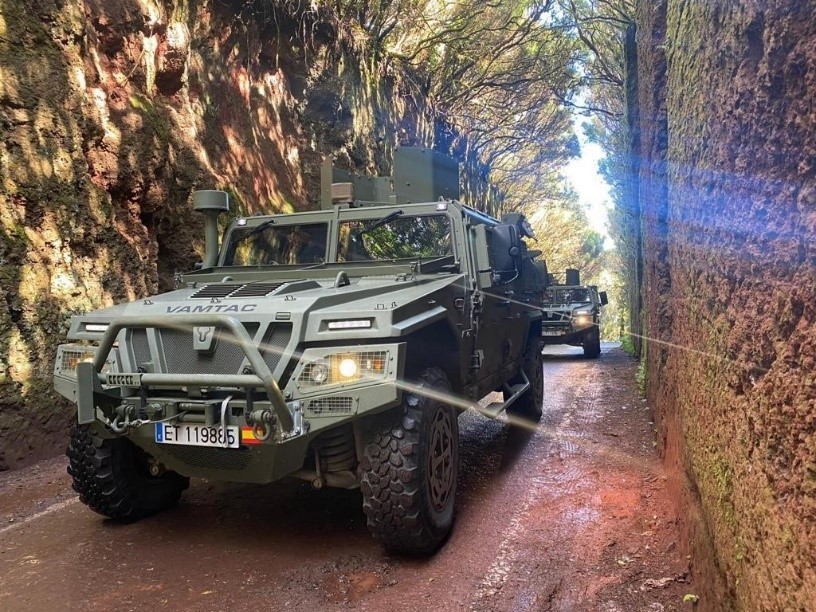
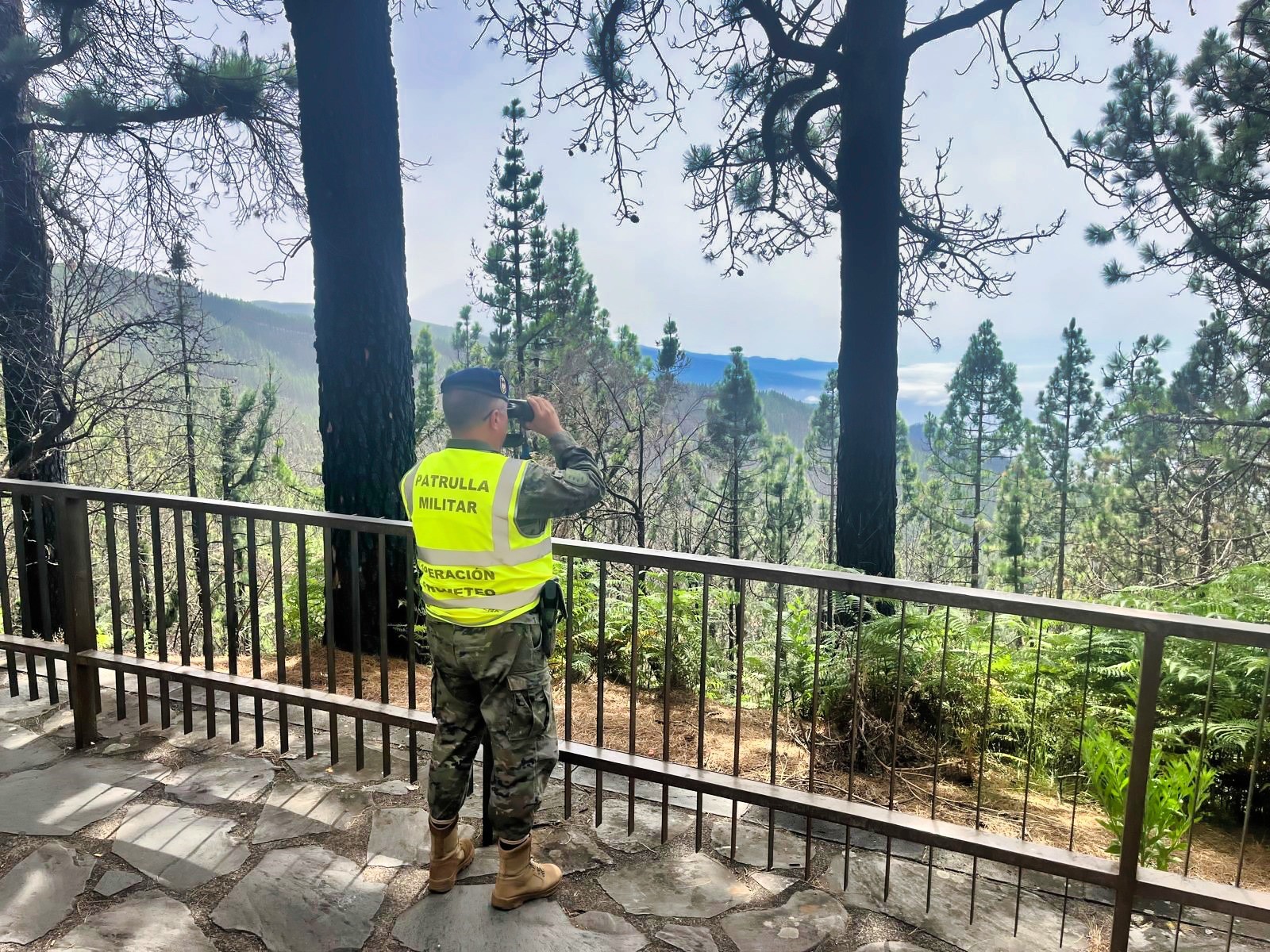
Operation ‘Centinela Tinerfeño’ was carried out between 1 July and 30 September, with the mission of protecting the mountains and natural areas of the island of Tenerife. During these three months, surveillance patrols of the Operational Land Command (MOT) - under operational control of the Operations Command (MOPS), and in coordination with the Cabildo and other local authorities - have travelled daily through high-risk forest areas, with the aim of deterring and detecting possible outbreaks of fire early.
Throughout the operation, 8 incident notifications have been made. In terms of resources, 14 vehicles were used, covering a total of 188,547 kilometres.
In addition to units from the ‘Canarias’ XVI Brigade, units directly subordinate to the Canary Islands Command Headquarters, such as its Headquarters Unit (UCG) and the Helicopter Manoeuvring Battalion (BHELMA) VI, participated in this operation.
In addition, the operation was supported by personnel and resources from the Cabildo, who were active 24 hours a day. The head of the ‘Canarias’ XVI Brigade, General Ricardo Esteban Cabrejos, acted as Commander of the deployed force and military commander on the ground, which acted under the orders of the Canary Islands Command Headquarters.
Centinela Gallego
Operation ‘Centinela Gallego’ ran from 15 August to 30 September. During the course of the operation, the average number of personnel participating in the operation was 100 per day. Taking into account the internal rotations of personnel in the respective areas of deployment and the scheduled sorties of the RPAS equipment, a total of 272 military personnel from the Army and the Navy took part in the operation.
In terms of the resources used in the operation, 62 vehicles were available, including those of the patrols, area chiefs, liaison officers, and monitoring and support cells. On average, 44 vehicles were used each day, covering a total of 208,000 kilometres.
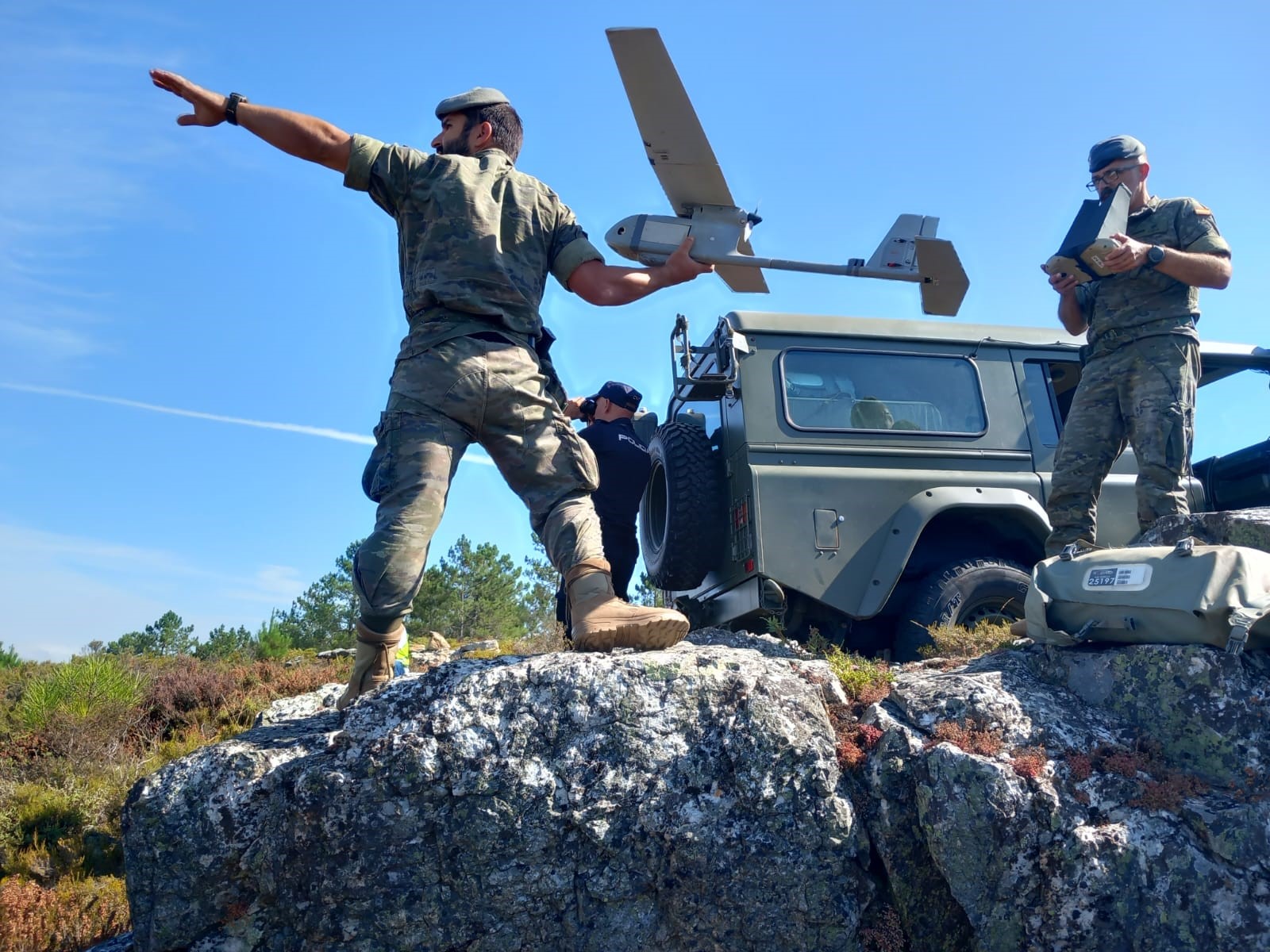
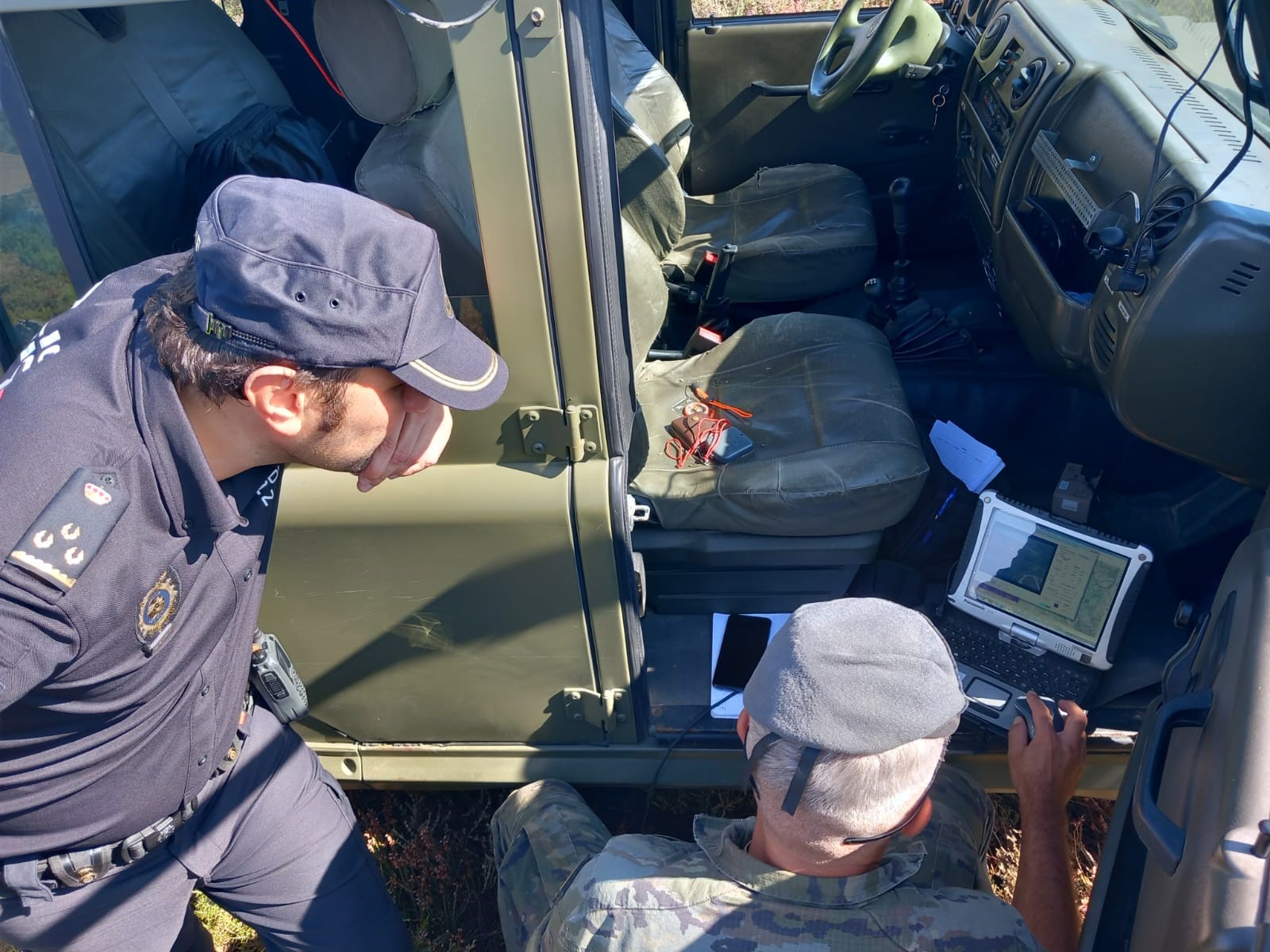
On the other hand, the RAVEN team, an unmanned aerial vehicle (RPAS) unit, flew a total of 3,650 minutes throughout the assigned area.
During the activation, 37 incident notifications were made, a notable decrease in the number of incidents compared to previous years.
Fotos