


NATO ENHANCED AIR POLICING-eAP
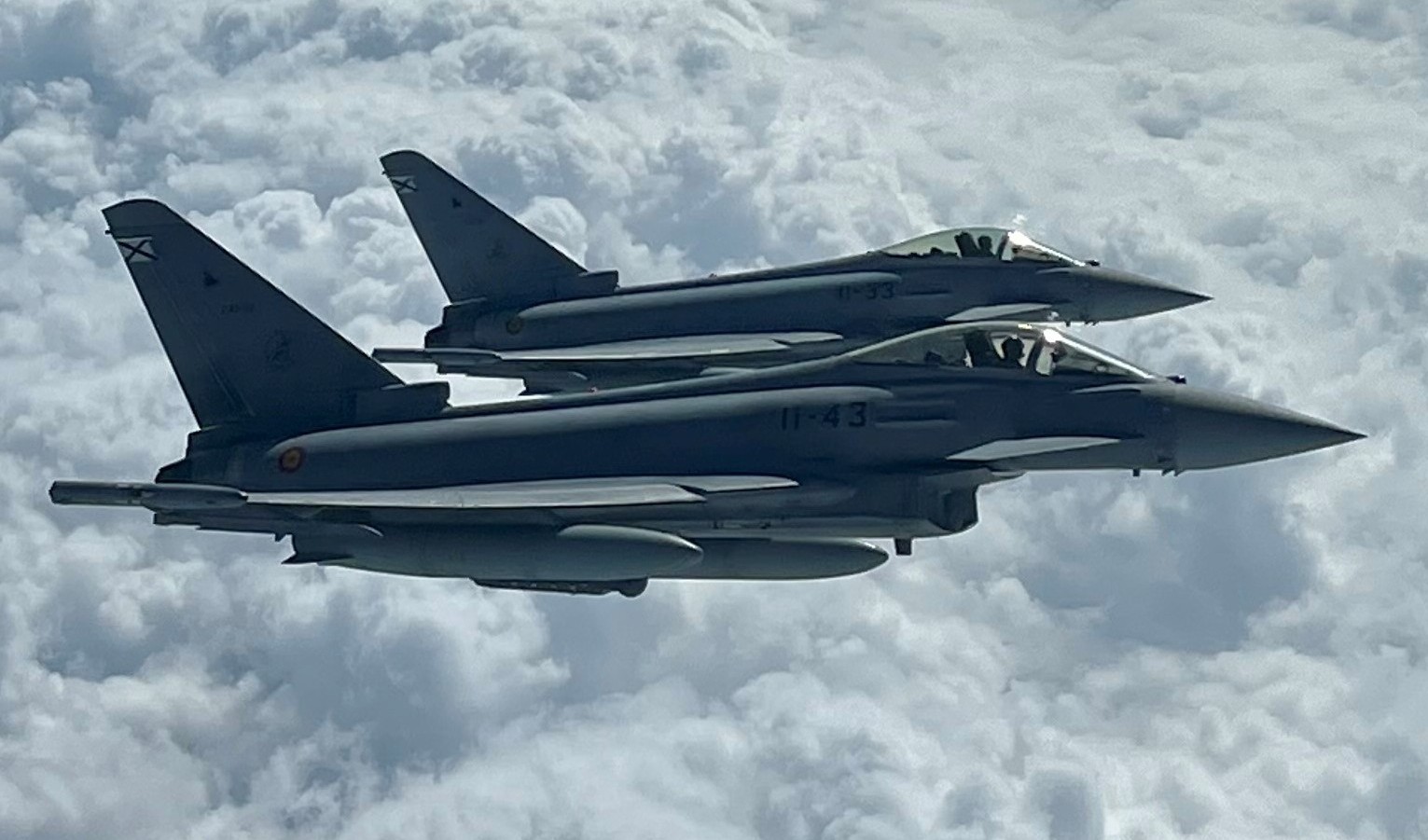
NATO takes its responsibility to ensure integrity, safety and security of its airspace very seriously. For member nations that do not have the necessary air capabilities, agreements exist to ensure a single standard of security across European NATO airspace.
Enhanced Air Policing is part of NATO’s Assurance Measures introduced in 2014, after Russia’s illegal and illegitimate annexation of the Crimean peninsula. The Alliance implemented these Assurance Measures with the goal to demonstrate the collective resolve of Allies, demonstrate the defensive nature of NATO and deter Russia from aggression or the threat of aggression against NATO Allies. They are flexible and scalable in response to fluctuations in the security situation facing the Alliance and send a strong, unambiguous message to the public.
As part of these Assurance Measures, NATO’s Air Policing mission is enhanced across two Implementation Areas. NATO members are authorized and encouraged to provide additional assets to the Alliance supplementing existing Baltic Air Policing capabilities in the northern Implementation Area and, in parallel, augmenting national Air Policing capabilities in the southern Implementation Area.
In the South, Romania’s and Bulgaria’s national Air Policing capabilities are and have been temporarily augmented by detachments from various Allied Air Forces. Whilst these nations are fully capable of conducting Air Policing operations on their own, aircraft and pilots of augmenting detachments can also be scrambled to conduct intercepts. The Spanish deployment, for the fulfillment of the missions entrusted within the framework of this operation in the southern zone, consists of three detachments, one of which is located in Bulgaria and two in Romania. These detachments have activation and deactivation periods depending on mission requirements.
The Spanish Armed Forces participate actively in this mission with personnel and equipment (combat aircraft and early warning radar).
The airspace over Europe sees an average of about 30,000 air movements per day, making it one of the busiest airspaces in the world. Any aircraft flying inside or approaching European NATO airspace that are unidentified, either through loss or intentional omission of communication with Air Traffic Control creates an unsafe environment, which could lead to an air incident.
NATO ensures the integrity, safety and security of its airspace by maintaining a 24/7/365 Air Policing mission, overseen by Allied Air Command.
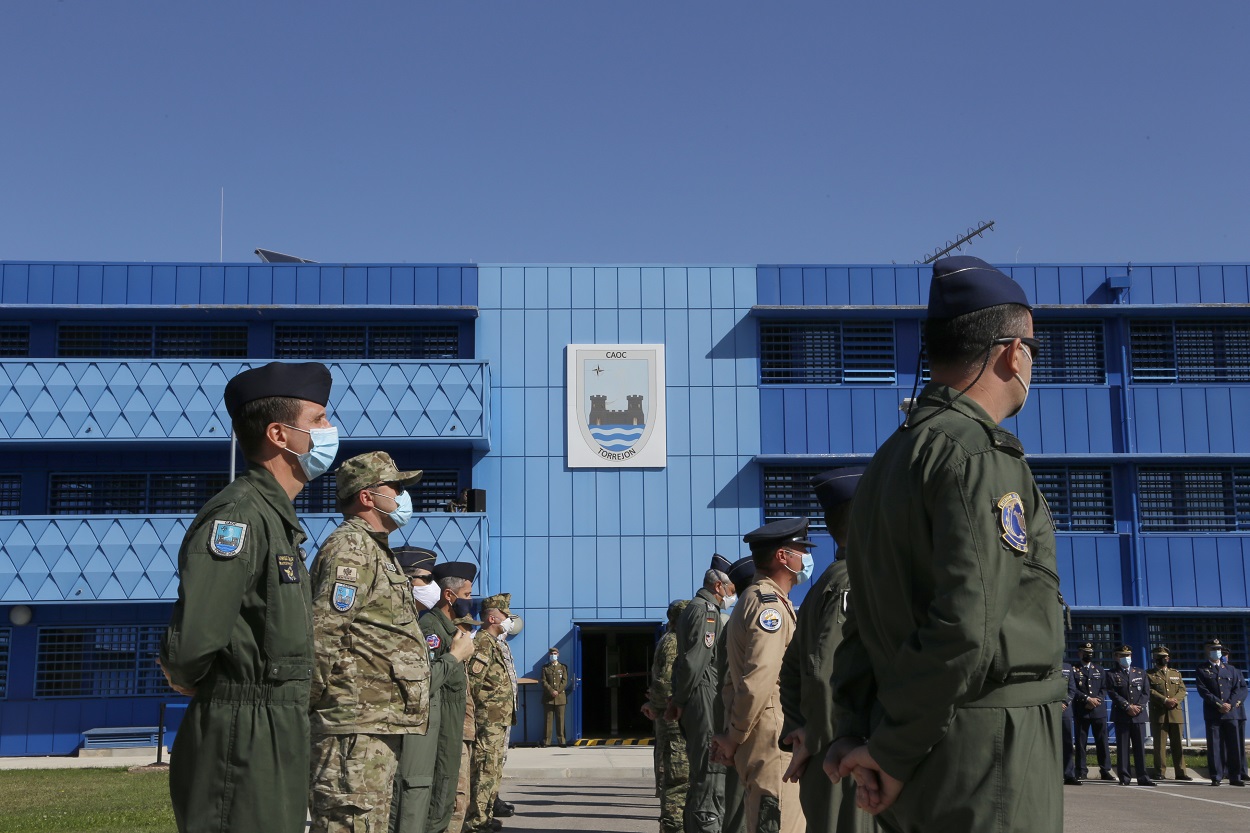
The Combined Air Operations Centre Torrejón is located at Torrejón Air Force Base, northeast of Madrid, Spain. Its primary mission is to plan, direct, coordinate, monitor, analyse and report on the operations of Air Policing means assigned to it in peace time. The unit’s area of responsibility comprises European NATO airspace south of the Alps. Hence Combined Air Operations Centre Torrejón is responsible for some of NATO’s special Air Policing arrangements, such as Air Policing over Romania and Bulgaria, Air Policing over Slovenia and Air Policing over Montenegro.
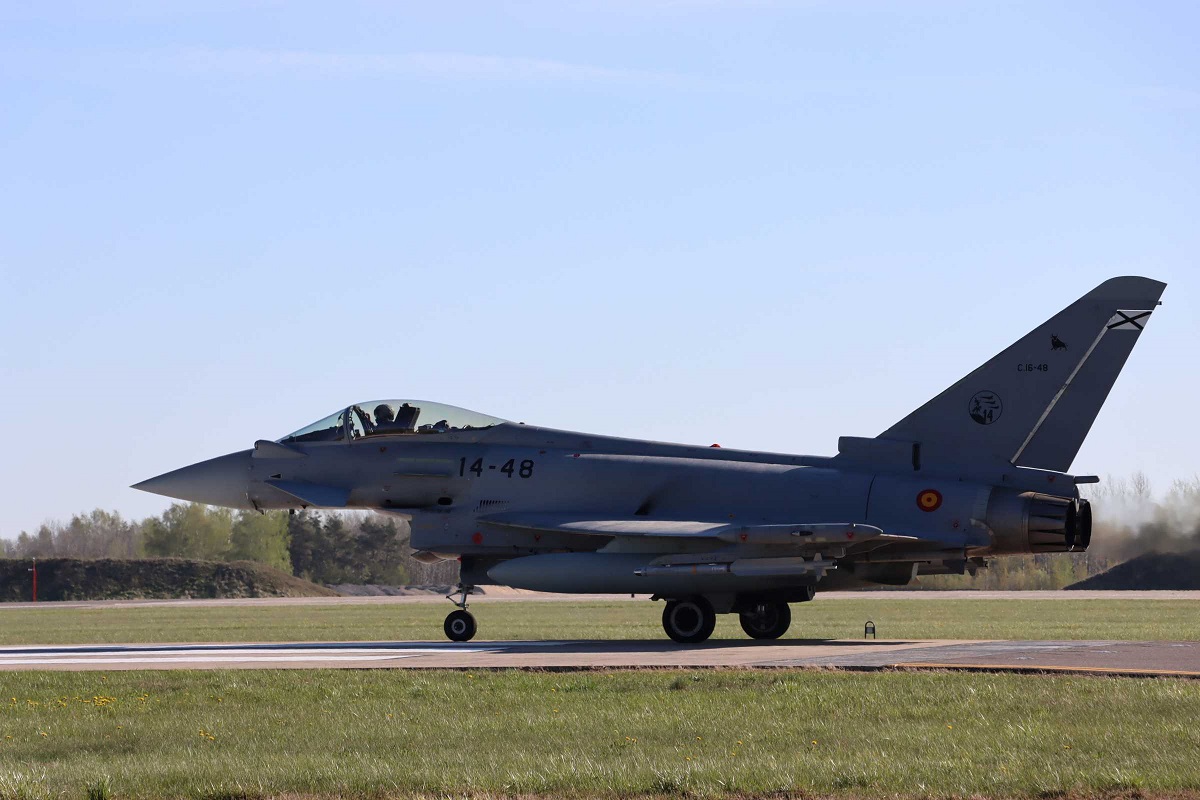
The enhanced Air-Policing mission (eAP) is part of the Alliance's collective effort in monitoring the airspace of its members, particularly those in the Southern Implementation Area like Romania, Bulgaria or Albania. The allied deployment in South Eastern Europe is developed under NATO's mandate within the framework of allied collective defence.
Allied radars pick up an aircraft of interest out of the 30,000 air movements daily inside the European airspace. If the corresponding aircraft is not using its transponder or is not in radio contact with civilian air traffic control or has not filed a flight plan, the track is reported to one of NATO’s two Combined Air Operations Centres. The Commander of the respective Combined Air Operations Centre, CAOC Torrejón in this case, decides whether or not to launch Quick Reaction Alert Interceptor aircraft to intercept and visually identify the Aircraft.
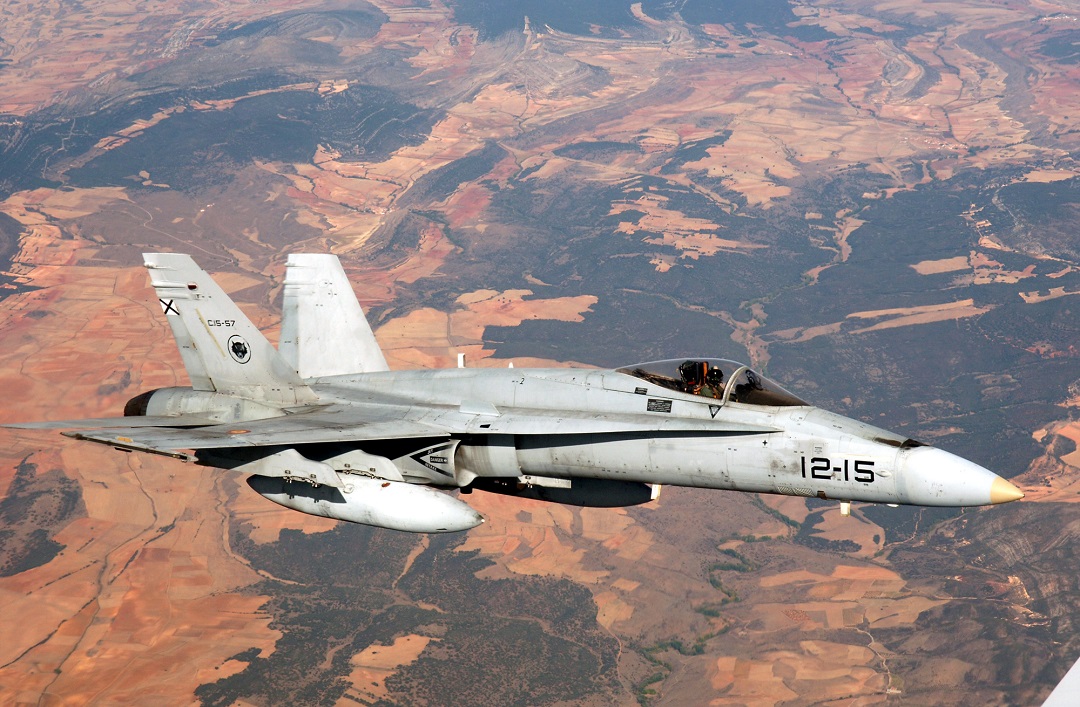
The Spanish Armed Forces are a regular contributor to NATO's Air Policing. In addition to patrolling national airspace under NATO's Combined Air Operations Centre (CAOC) Torrejón,Spain contributes to the Bulgaria-Romania eAP with human and material resources.
‘Persistent Effort’ operation includes the UDAA NASAMS in Latvia, the Patriot battery in Türkiye and the ‘Tigru’ Detachment (also in Romania) - with the radar of the Mobile Air Control Group (GRUMOCA) - also deployed on the shores of the Black Sea, in Romania.
2026
- March 18th. Takeover at the Tigru Training Centre. Start of the eleventh contigent.
- February 13th. Deployment of DAT 'Paznic'.
2025
- December 1st. The activation of the DAT 'Vilkas' ends.
- November 11th. Relief in the DAT “ Tigru”. Start of the tenth contingent.
- August 1st. Deployment of DAT 'Vilkas'.
- July 8th. Relief in the DAT “ Tigru”. Start of the ninth contingent.
- March 31st.The activation of the DAT 'Paznic' ends with more than 400 take-offs and 800 flight hours.
- March 5th. Relief of DAT 'Tigru' in Romania. Start of the eight contingent.
2024
- August 1st. Deployment of DAT 'Vilkas'.
- Nov 27th.Eurofighters from the 'Ala 14' relieving F-18s from the 'Ala 15' at the 'Paznic' detachment.
- Aug 1st. The Paznic detachment begins its activation in Romania.
- July 1st. Relief of DAT 'Tigru' in Romania. Start of the sixth contingent.
- April 19th. Detachment 'Paznic'. ends its deployment. In Romania.
- April 8th. Five Eurofighter and 59 airmen make up Detachment 'Paznic'. In Romania.
- February 29th . Relief of the Spanish contingent at DAT 'Tigru' in Romania. Start of the fifth contingent.
2023
- October 15th. Relief of the Spanish contingent at DAT 'Tigru' in Romania. Start of the fourth contingent.
- July 21st. Relief of the Spanish contingent of the UDAA NASAMS.
- June 29th. Radar personnel at the DAT 'Tigru', Romania, were relieved of their duties. Starts the third comtingent
- June 08th. After six months deployed in Romania, and with more than 1200 flight hours, the Spanish contingent of the Detachment 'Viespe' ends its mission.
- April 3st. Relief of Command of the 'Viespe' Detachment. Personnel (130) and means (7 EF-18 fighters) of the 12th Wing are activated.
- February 28th. Radar personnel at the DAT 'Tigru', Romania, were relieved of their duties.
2022
- February 28th. HO-TO at 'Tigru', Romania.
- December 7th. Spanish personnel and Eurofighters complete the mission in DAT 'Orel'
- December 1st. Spanish aircrfat F-18 has been activated in DAT 'Viespe', Romania.
- October 21st. Deployment of an early warning radar in DAT 'Tigru', Romania.
- March 31st. Spanish aircrfat end mission in Bulgaria
- February 21st. The minister for Defence along with ESP CHOD visit DAT 'Strela'.
- February 13th. The TOA ceremony is hosted at Graf Ignatievo AFB in Bulgaria.
- February 11th. Spanish Eurofighters 'Typhoon', belonging to the 14th Wing, arrive in Bulgaria.
2021
- February 3rd. DAT Paznic' is certified for the Enhanced Air Policing mission in Romania18 January. The first Spanish Eurofighters arrive in Romania.
NOTAS DE PRENSA DEL EMAD ACERCA DE LA POLICÍA AÉREA SOBRE BULGARIA
-
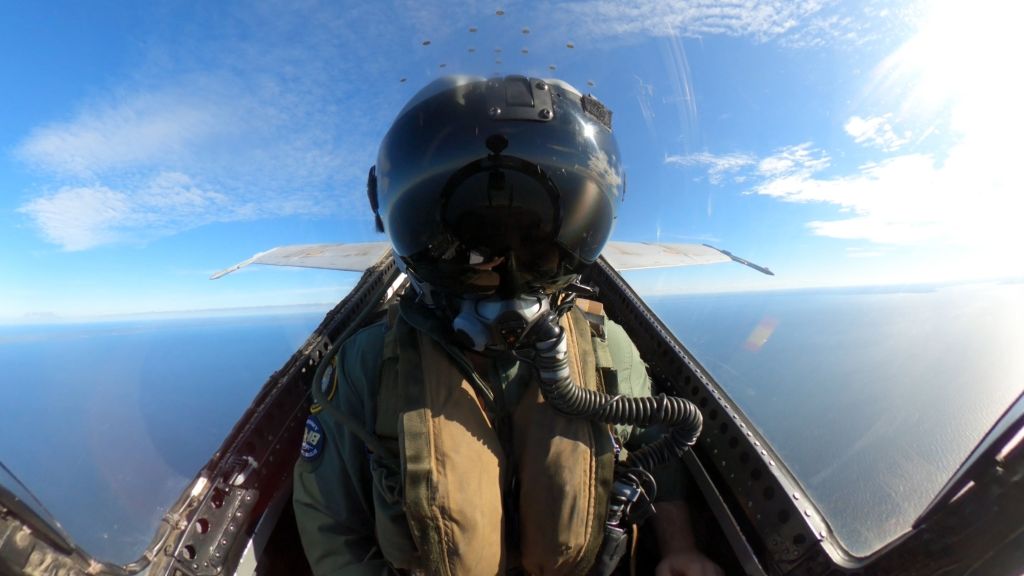
The ‘Ámbar’ Tactical Air Detachment has concluded its deployment in Estonia in support of Baltic air defence
The ‘Ámbar’ Tactical Air Detachment has concluded its deployment in Estonia in support of Baltic air defence
2026/10/01At Amari Air Base, Estonia
More information -
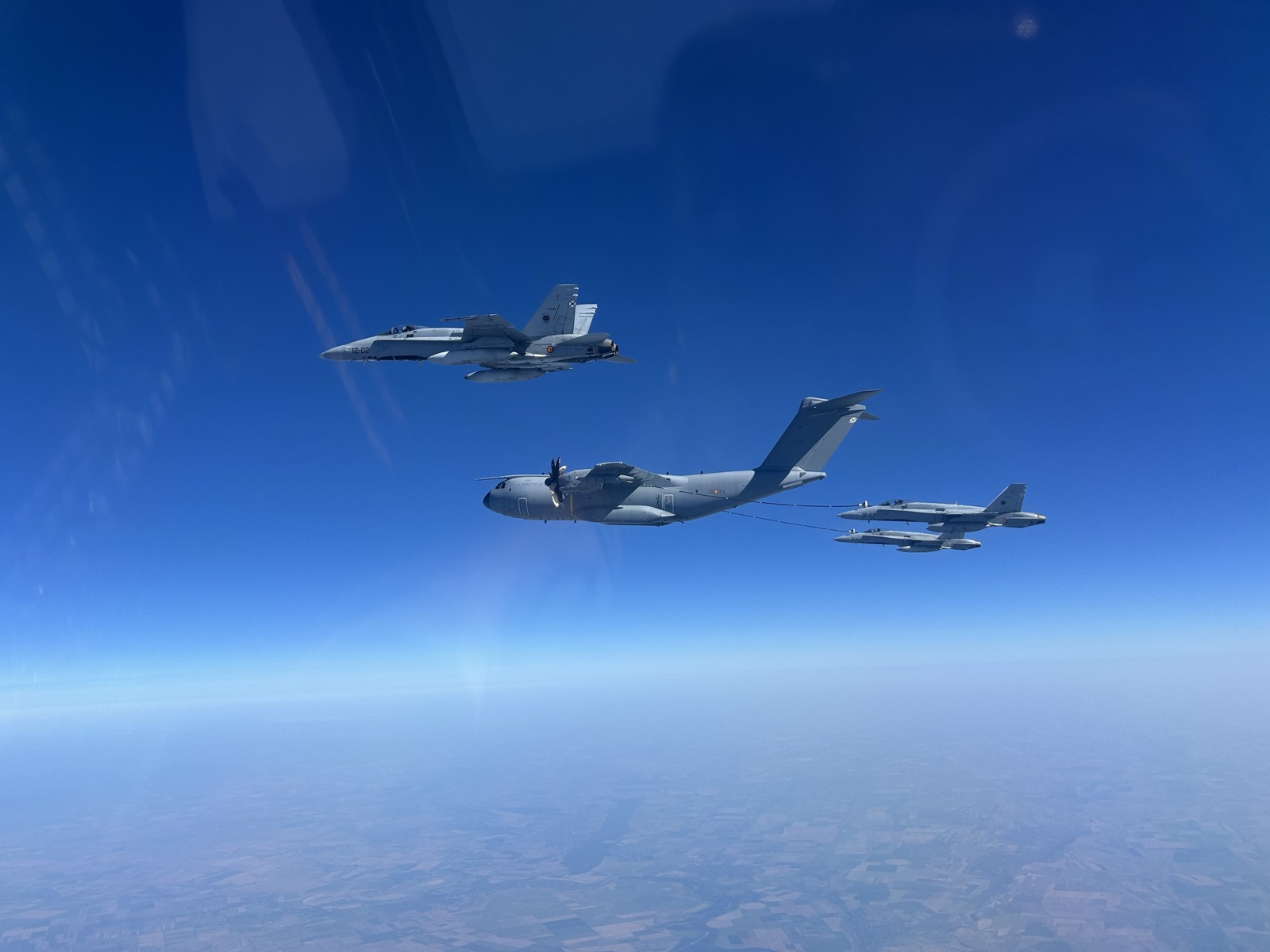
The A-400M completes its deployment at the “Paznic” Training Airfield after two months of supporting in-flight refueling missions
The A-400M completes its deployment at the “Paznic” Training Airfield after two months of supporting in-flight refueling missions
2026/10/01In Constanța, Romania
More information -
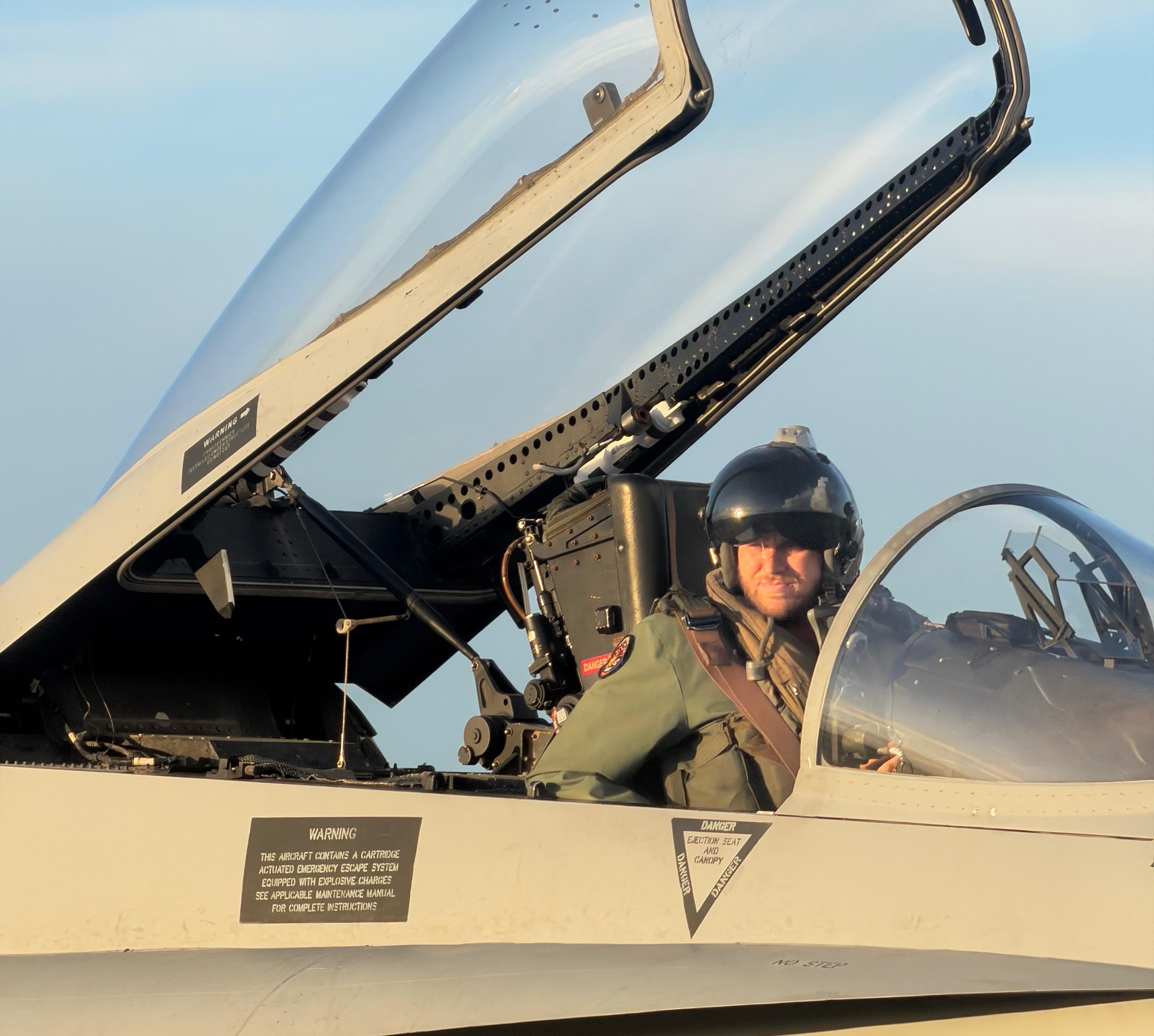
Two fighter jets from the ‘Ámbar’ detachment identified and escorted a Russian aircraft as it flew over the Baltic Sea
Two fighter jets from the ‘Ámbar’ detachment identified and escorted a Russian aircraft as it flew over the Baltic Sea
2026/09/22At Ämari Air Base, Estonia
More information -
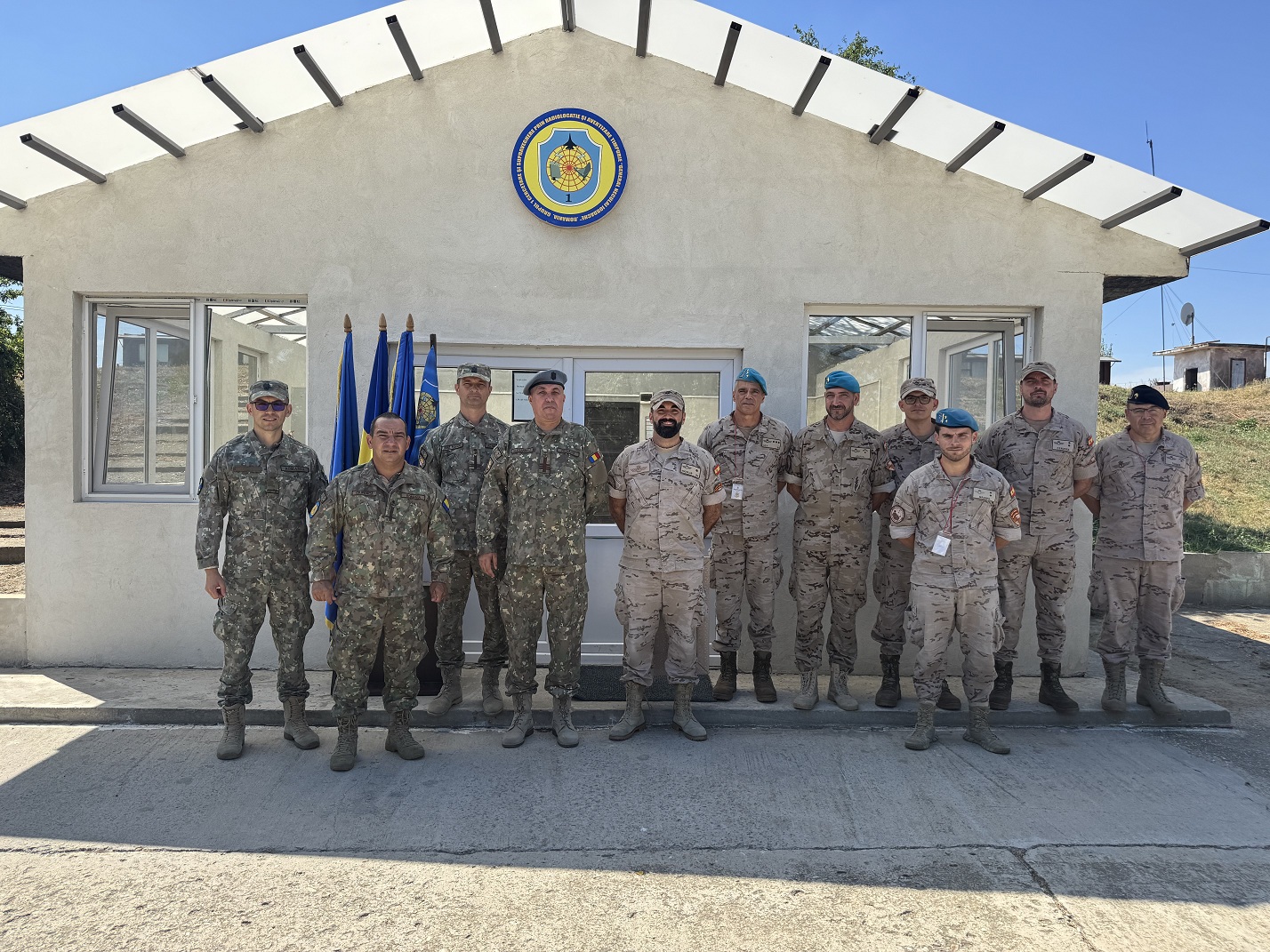
Working meeting between DAT ‘Tigru’ personnel and the Romanian Air Force’s 1st Reconnaissance, Surveillance and Early Warning Group
Working meeting between DAT ‘Tigru’ personnel and the Romanian Air Force’s 1st Reconnaissance, Surveillance and Early Warning Group
2026/09/09In Schitu, Romania
More information -
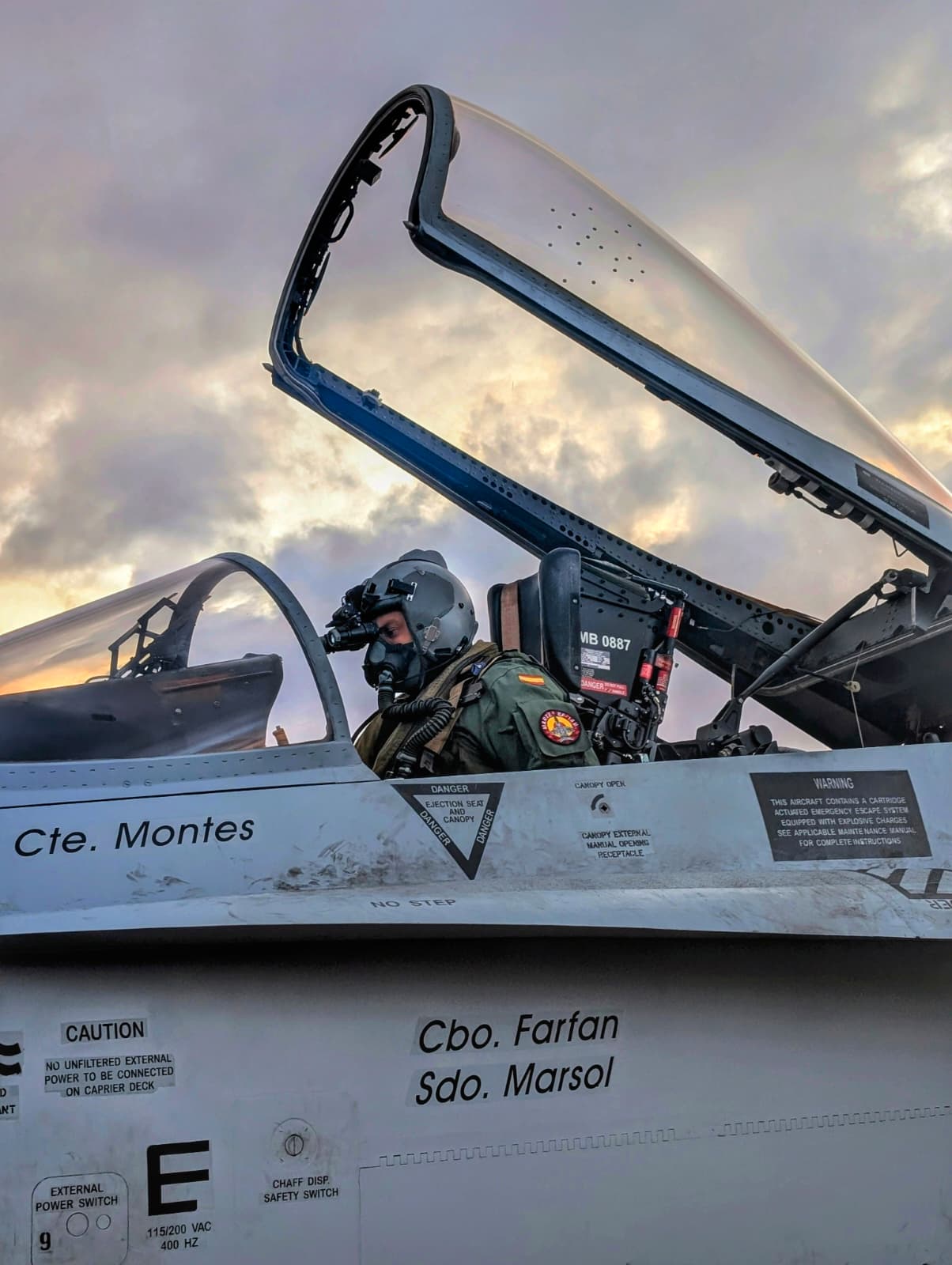
Un piloto del Destacamento Aéreo Táctico ‘Ámbar’ lidera un entrenamiento multinacional nocturno contra drones en Estonia
Un piloto del Destacamento Aéreo Táctico ‘Ámbar’ lidera un entrenamiento multinacional nocturno contra drones en Estonia
2026/09/07En Base Aérea de Amari, Estonia
More information