

The frigate ‘Blas de Lezo’ and the supply vessel ‘Patiño’ have joined NATO Standing Naval Group No. 2
-
Over the next two and a half months, these vessels will form part of this multinational force, which is ready to act swiftly if the situation calls for it
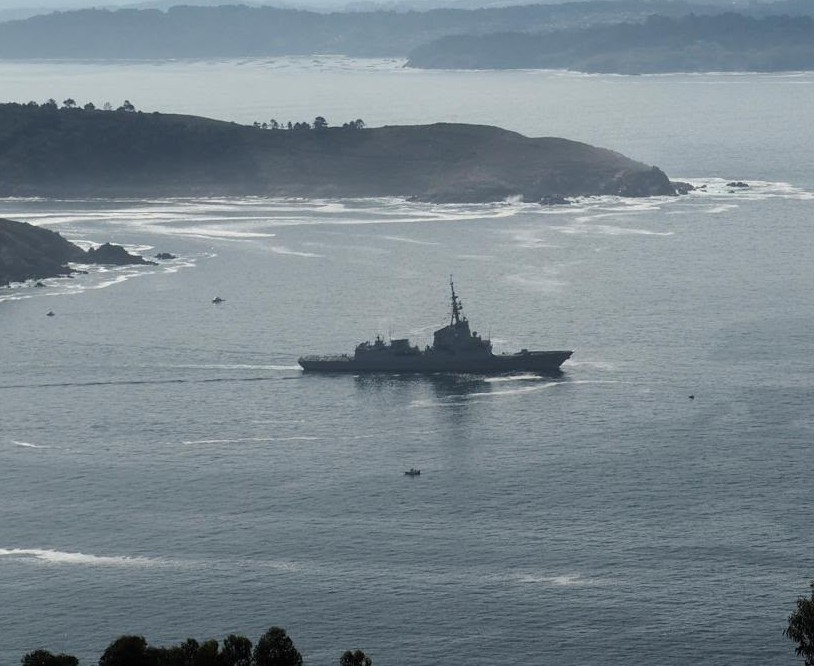
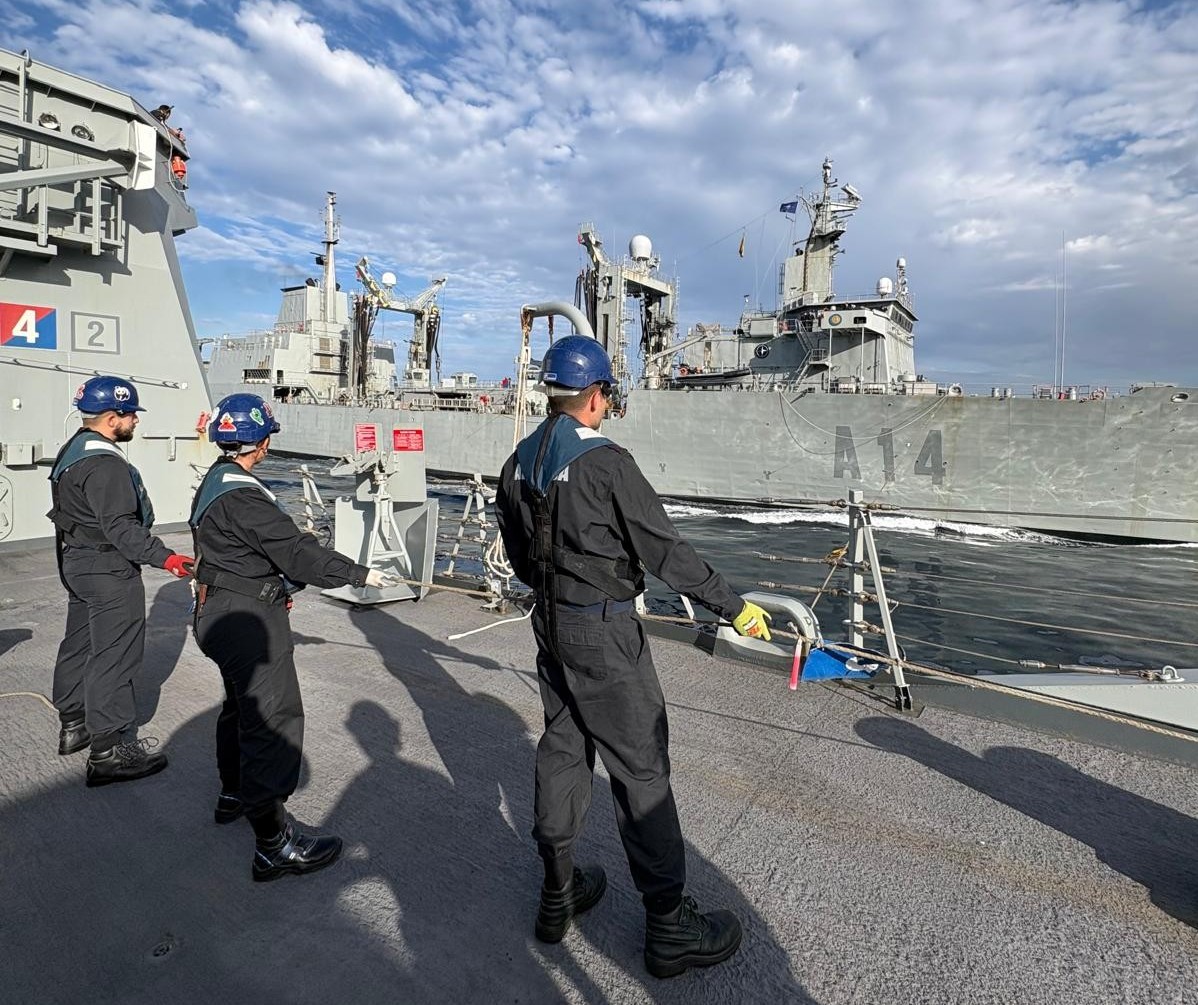
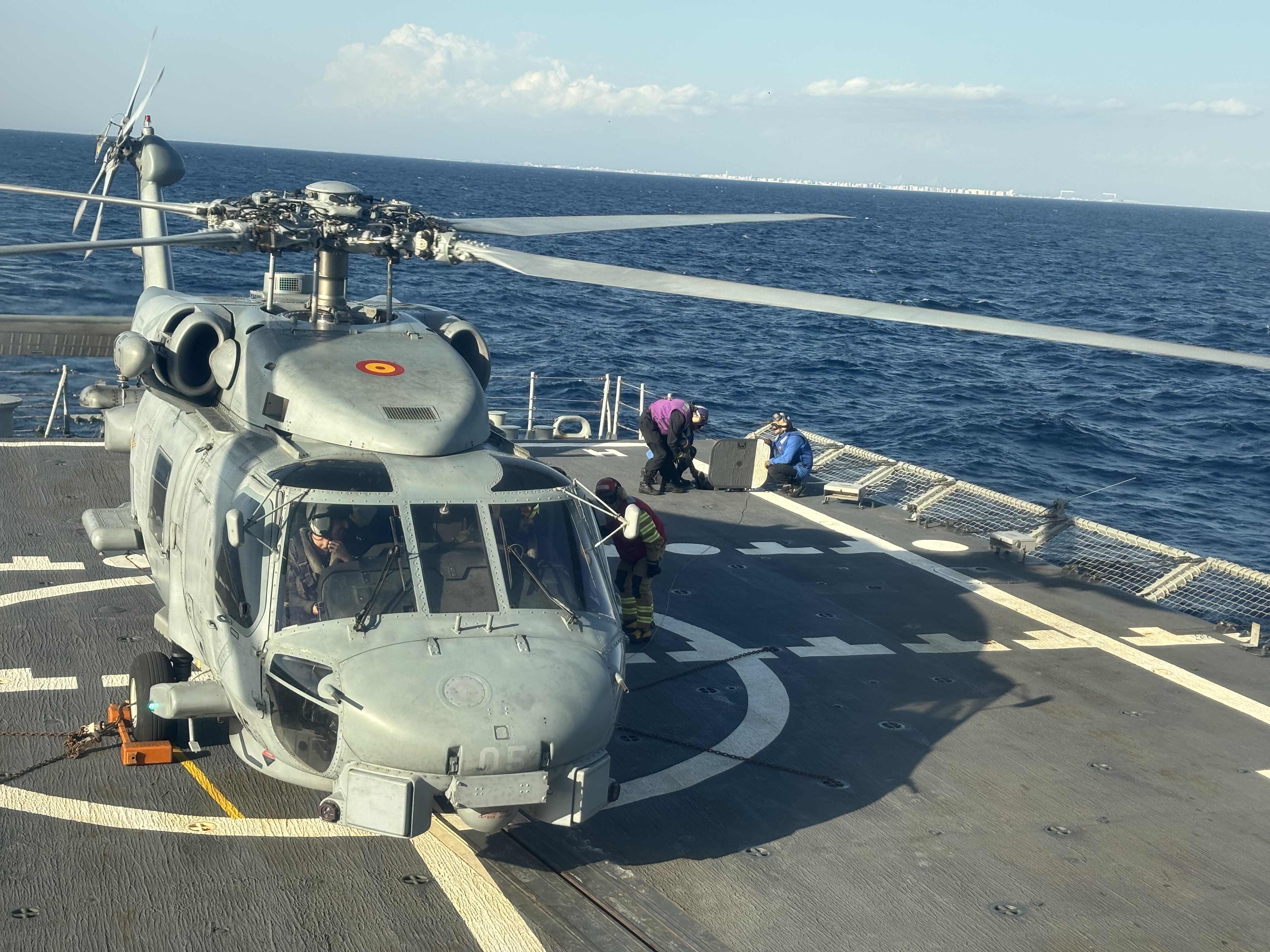
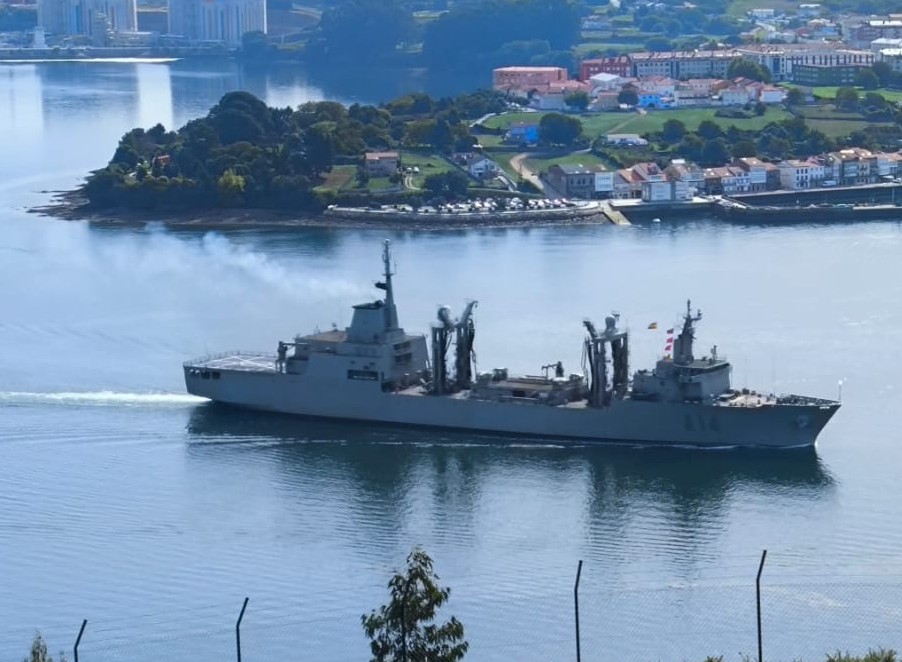
The frigate ‘Blas de Lezo’ (F-103) and the supply vessel ‘Patiño’ (A-14) are now sailing in the Mediterranean Sea as part of NATO Standing Naval Group 2 (SNMG-2). For approximately two and a half months, these vessels, alongside other allied naval units, will maintain a permanent naval presence in their areas of operation to contribute to the Alliance’s deterrence and defence posture.
The frigate ‘Blas de Lezo’ and the supply vessel ‘Patiño’ have joined a multinational task force, currently under Greek command, comprising units from various allied nations, including Greece, Italy, France and Turkey.
During this deployment, the Spanish vessels will take part in various multinational exercises scheduled within the framework of the Task Force, including MARE APERTO 26, MAVI BALINA 26 and NIIRIS 26. These operational activities will enable the maintenance and improvement of training standards in a multinational environment, as well as the practical application of procedures and capabilities in coordination with units from various allied navies.
SNMG-2 is the NATO naval group operating in the Mediterranean Sea, and its main mission is to maintain a permanent presence in areas of interest to the Alliance and to carry out maritime security and surveillance activities. Furthermore, these groups form the core of NATO’s maritime response forces.
SNMG 2 is currently carrying out Operation ‘Noble Shield’. Furthermore, this deployment reinforces Spain’s firm commitment to and resolute contribution to the Alliance, helping to ensure deterrence and collective defence at sea. Moreover, the Navy’s participation in the Standing Naval Groups provides a maritime presence and enhances interoperability amongst allied nations.
Operation ‘Noble Shield’ forms part of NATO’s ongoing efforts to prevent conflicts and ensure maritime security for its member countries. To this end, allied vessels are permanently deployed in strategic areas, ready to act swiftly and capable of working in a coordinated manner across different nations.
NATO’s permanent naval groups
NATO’s Standing Naval Forces (SNF), which comprise two escort groups (SNMG) and two mine countermeasures groups (SNMCMG), are multinational naval forces that NATO maintains on a permanent basis in order to ensure an integrated and continuously available maritime capability. These groups are made up of ships from different allied countries; their composition is adapted to operational requirements and the contributions of each nation, with units from each nation joining and standing down on a rotational basis.
The SNMG are the two conventional maritime combat groups, whilst the SNMCMG specialise in mine warfare and mine countermeasures.
In the case of SNMG1 and SNMG2, these are task forces comprising mainly frigates and destroyers from various allied nations, accompanied by support vessels. This structure enables NATO to have a pre-integrated multinational naval force capable of conducting joint operations and adapting rapidly to the Alliance’s needs.
Spain regularly participates by providing vessels and personnel, such as frigates, supply ships and minesweepers, thereby contributing to maritime security, the protection of trade routes and collective defence, which demonstrates its firm commitment to the common security of Europe and North America and to the obligations it has undertaken alongside its allies within the framework of NATO.
Fotos