

The minesweeper ‘Tambre’ concludes its deployment with NATO’s Standing Mine Countermeasures Group 2
- For four months, the Royal Navy vessel has contributed to deterrence and the freedom of navigation for Allied forces in the Mediterranean Sea
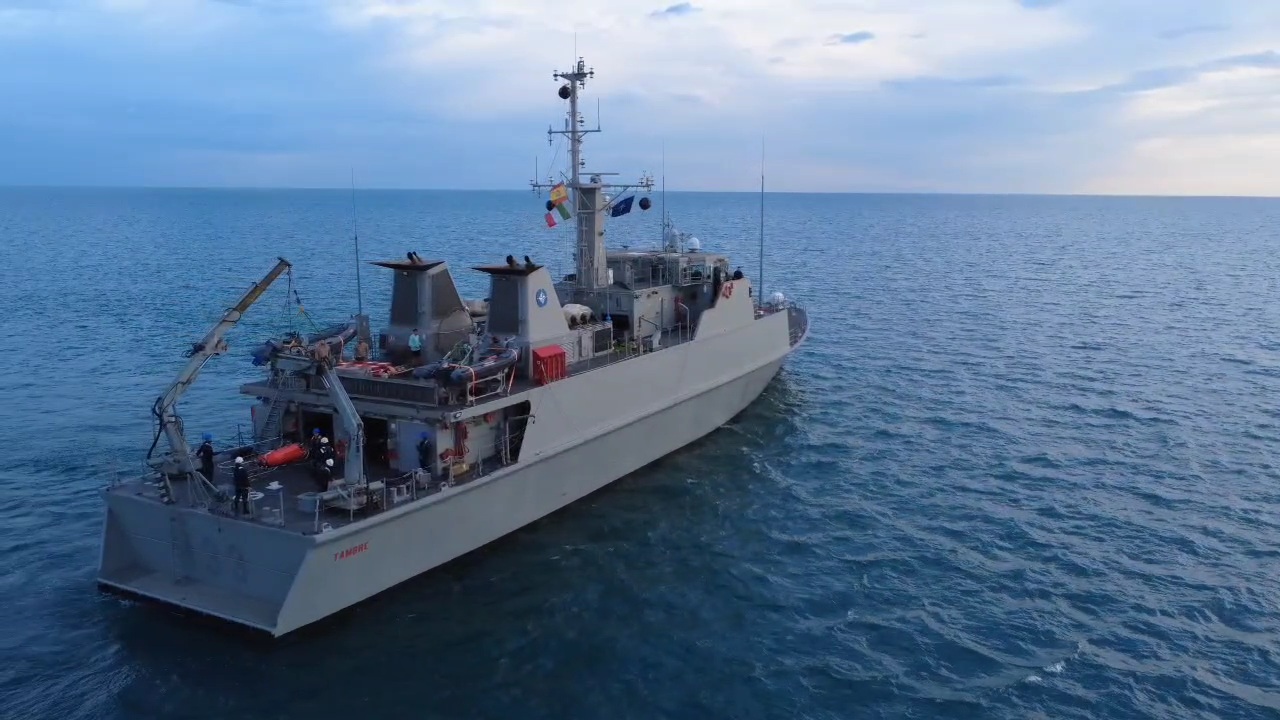
The minesweeper ‘Tambre’ (M-33) has returned to its home port in Cartagena after 101 days as part of NATO’s Standing Mine Countermeasures Group 2 (>SNMCMG-2).
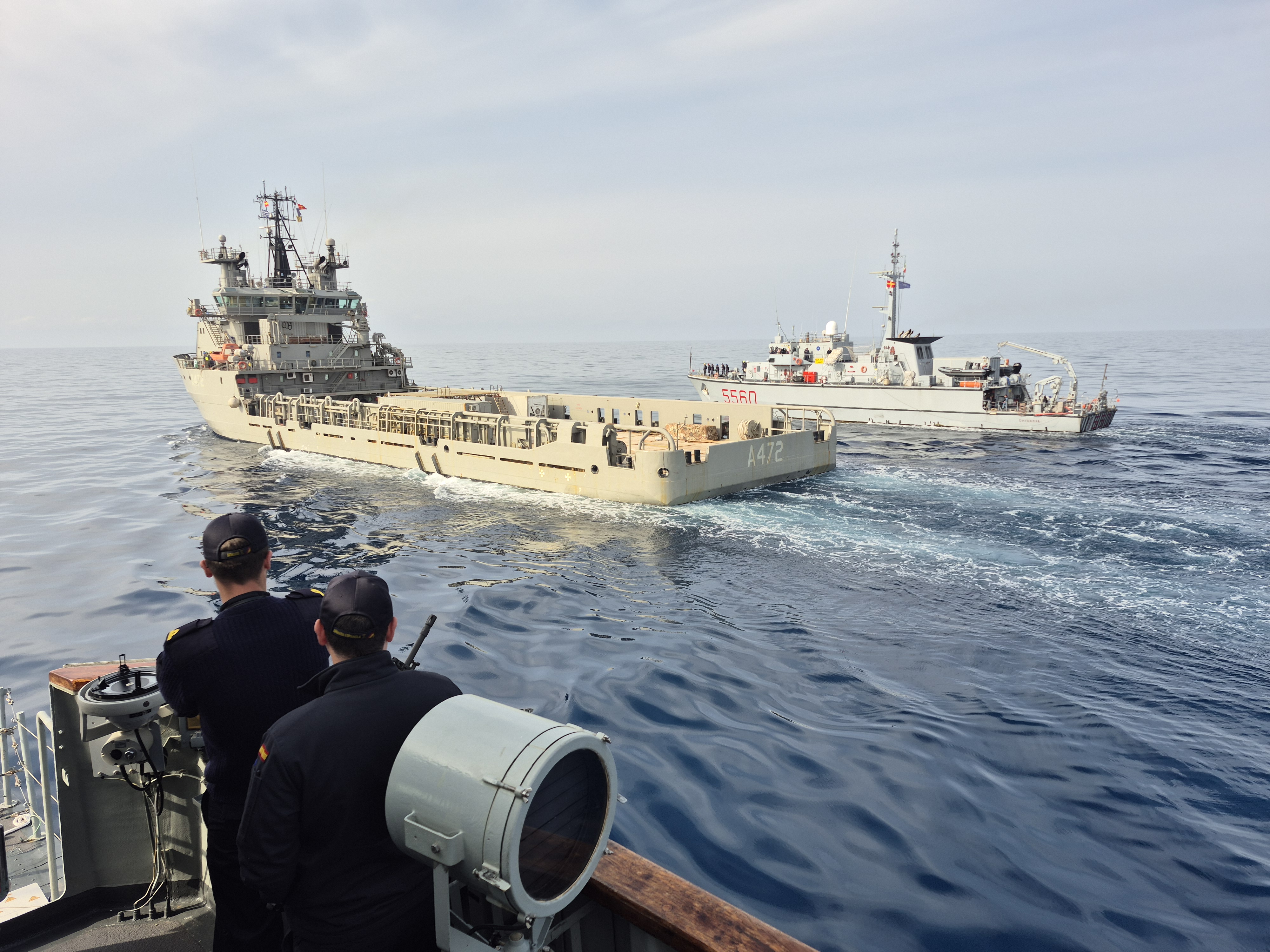
Since 20 February, the minesweeper ‘Tambre’ has carried out surveillance, advanced training and cooperation activities with the allied navies that make up SNMCMG-2. During its deployment, the vessel took part in the NATO exercises ‘Spanish Minex’ and ‘Italian Minex’.
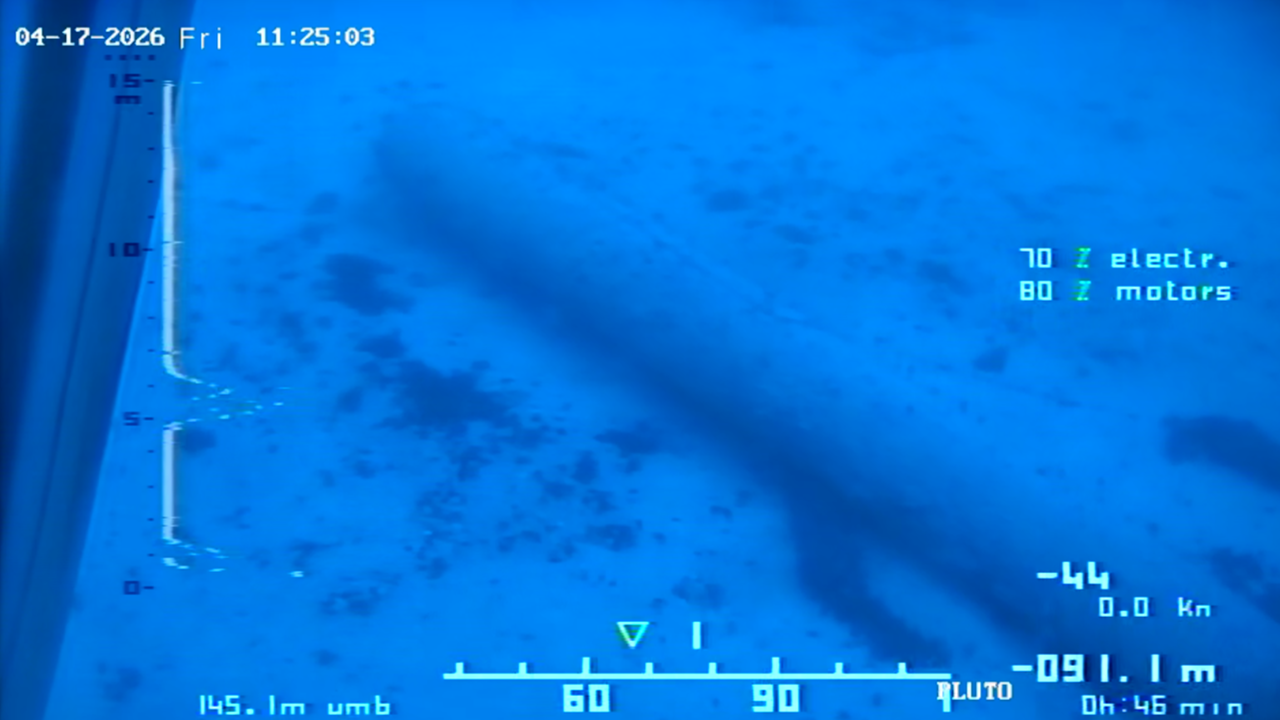
In addition, it detected and identified two torpedoes and a mine from the Second World War. The ‘Tambre’s’ main task during its integration into SNMCMG-2 has been the detection, location, identification and neutralisation of naval mines, to contribute to the protection of maritime routes, port approaches and critical transit areas. These capabilities are crucial, both for the protection of international trade and to enable, if necessary, larger-scale naval operations.
During its voyage, the ‘Tambre’ has visited ports in Spain, Malta, Italy, Greece and France, alongside the Greek command ship ‘HS Herakles’, the Italian minesweeper ‘Crotone’, the minesweeper ‘Evropi’ (GRE), the Turkish minesweeper ‘Anamur’, the Italian minesweeper ‘Numana’, the Italian minesweeper ‘Chioggia’ and the Turkish minesweeper ‘Amasrna’.
The ‘Tambre’s’ participation in SNMCMG-2 underscores Spain’s contribution to the Alliance’s forward presence in the Mediterranean, whilst reinforcing the Navy’s specialised capability in mine warfare, which is essential for ensuring freedom of navigation and the safety of maritime traffic in areas of strategic interest.
NATO Standing Naval Groups
NATO’s Standing Naval Forces are organised into four groups of ships that remain ready to act at any time. Two of these groups consist of frigates and other combat vessels carrying out surveillance and maritime presence missions, whilst the other two consist of minesweepers, vessels specialised in locating and neutralising naval mines, a silent but highly dangerous threat to navigation.
These groups form part of the NATO Response Force, that is, the pool of assets that the Alliance can rapidly deploy in the event of a crisis. Thanks to them, NATO maintains vessels continuously deployed in strategic areas and can react swiftly if the situation demands it.
Spain regularly participates by providing ships and personnel, such as frigates and minesweepers, thereby contributing to maritime security, the protection of trade routes and collective defence, which demonstrates its firm commitment to common security and to the obligations undertaken alongside its allies within the framework of NATO.
Fotos