
The Slovak Multinational Brigade, led by Spain, increases its capabilities
- The increase in resources provided by Portugal represents military reinforcement and sends a clear message of Allied solidarity and commitment to regional stability
The Multinational Brigade Task Force Slovakia (MN BDE TF SVK), led by Spain as the Framework Nation, has seen its capabilities increased with the rise in Portugal's contribution, representing military reinforcement and a clear message of Allied solidarity and commitment to regional stability.
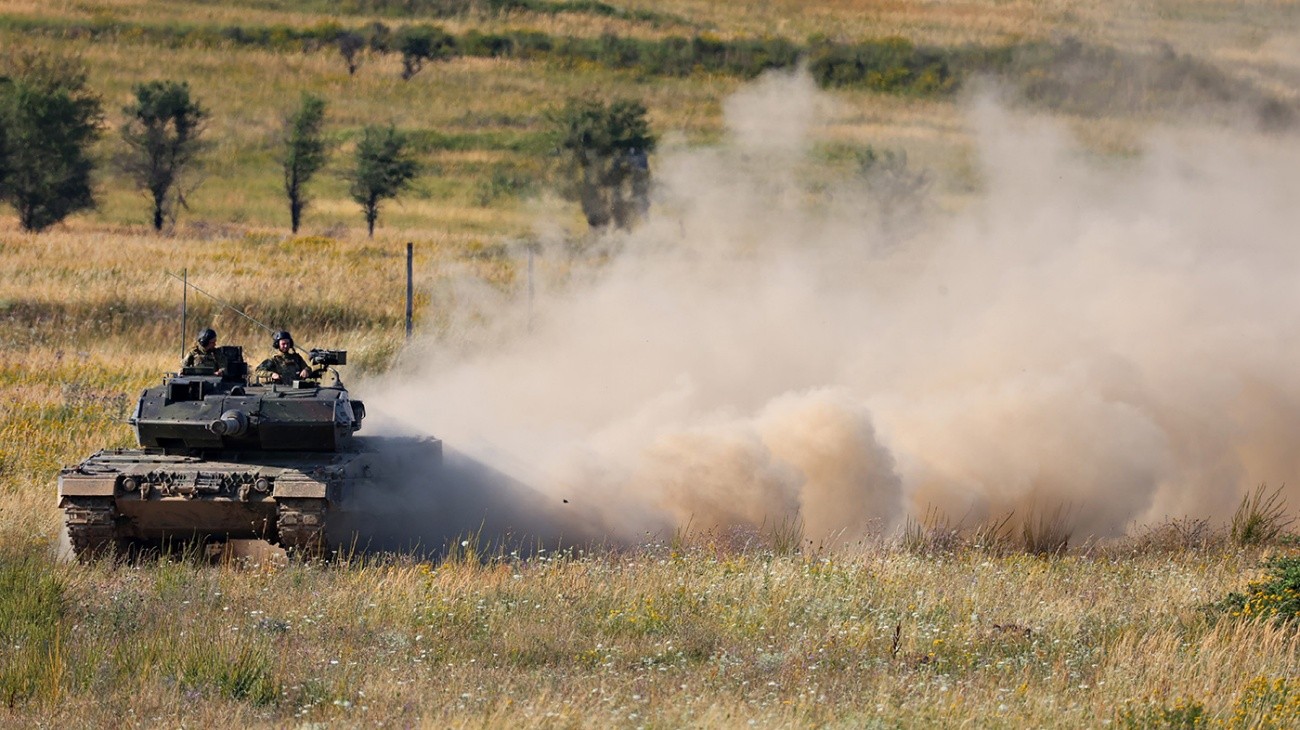
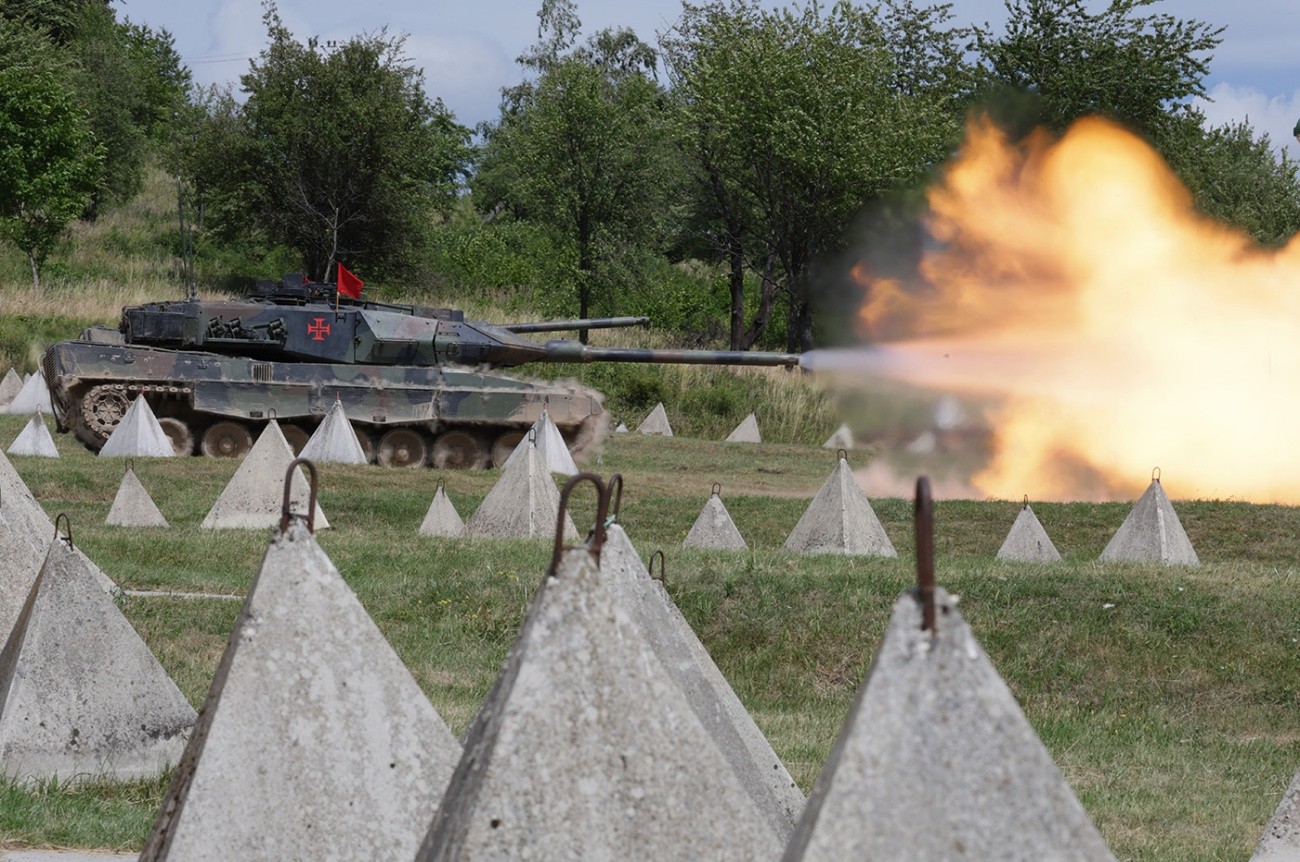
Specifically, Portugal has contributed with its Leopard 2A-6 battle tanks, with first-rate armoured capabilities; PANDUR wheeled armoured vehicles, which allow for high tactical mobility and protection of forces; VAMTAC light vehicles, versatile for different missions in the field; as well as armoured ambulances, which reinforce medical capabilities in operations.
This increase in resources is accompanied by a reinforcement of the Portuguese National Support Element, responsible for ensuring logistical support, vital for the continued operation of the deployed force.
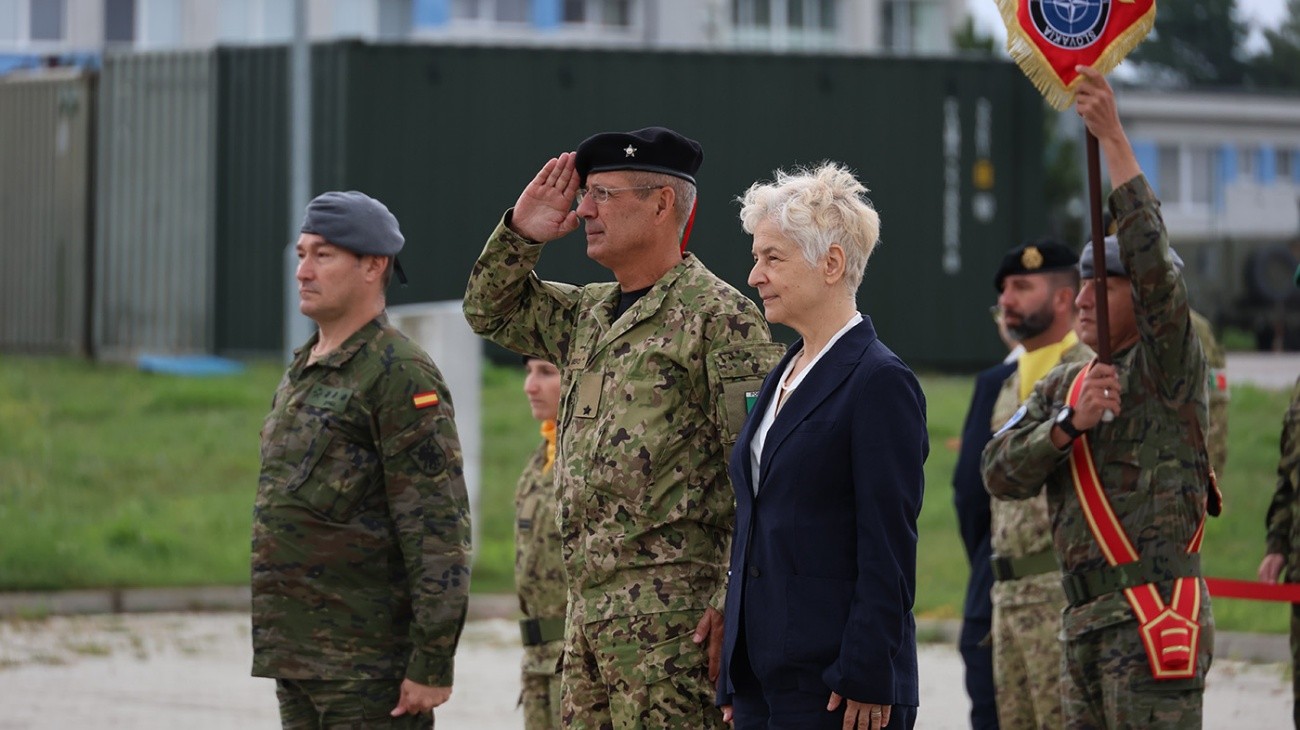
The rise in Portugal's contribution took place during the last rotation of its contingent, occurred last week. The Transfer of Authority ceremony was held at the Flag Square in Camp Slavia, in the Lešť training area.
The ceremony was presided over by General Luís Miguel Afonso Cameiro, head of the Portuguese Army Mechanised Brigade, and attended by the Portuguese Ambassador to the Slovak Republic, Maria João Lopes Cardoso, as well as Slovak and Allied civil and military authorities.
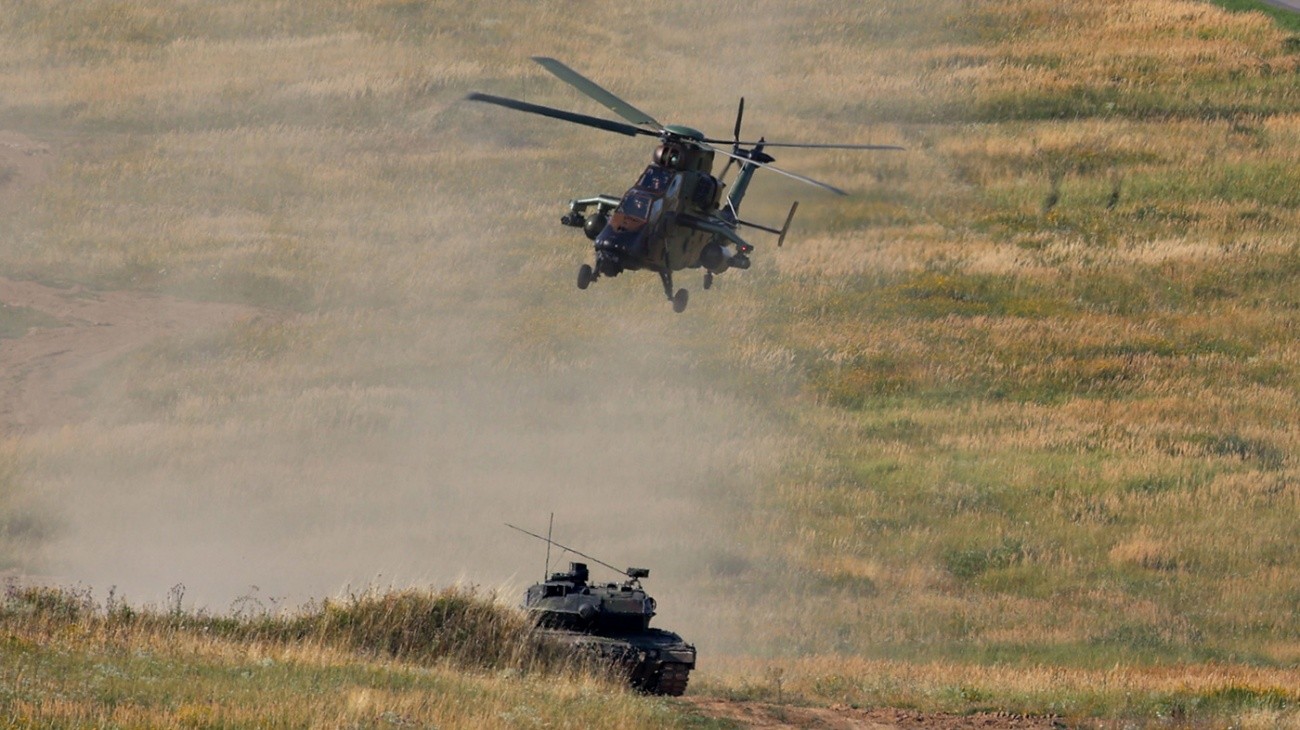
Spain leads the MN BDE TF SVK, a multinational force that plays a key role in defending the Alliance's eastern flank. Portugal's participation, together with that of the other Allied nations present in Slovakia, reinforces the shared commitment to collective security and to the Slovakian population, the host country for the deployment.
The Portuguese presence, together with the Spanish leadership and the participation of other Allied nations, symbolises the unity, deterrence and preparedness of the Atlantic Alliance in one of its most sensitive areas. In this way, the MN BDE TF SVK continues to be an essential instrument of defence and cooperation in support of Slovakia and Euro-Atlantic security.
NATO's forward presence
NATO's military presence on the Alliance's eastern flank is a key element of its enhanced commitment to deterrence and defence, which has increased in recent years to reflect the new security reality in the Euro-Atlantic area. The forward presence of Allied forces is defensive, proportionate, transparent and in line with the Alliance's international commitments and obligations.
NATO's forward presence comprises eight multinational battlegroups, provided by framework nations and other contributing Allies on a voluntary, fully sustainable and rotational basis.
Currently, NATO troops and personnel train and exercise together in the east of the Alliance, representing a strong expression of unity and solidarity. The forces of the contributing countries rotate in and out of the battlegroups and may be deployed in the area of operations or stationed in their home countries with a high capacity for rapid deployment.
Fotos