

NATO’s Multinational Brigade in Slovakia increases its interoperability and the integration of its systems
The Spanish Signal Unit deployed in Lešt has organised training exercises that have brought together military personnel and technical and operational assets from all the allied nations taking part in this mission
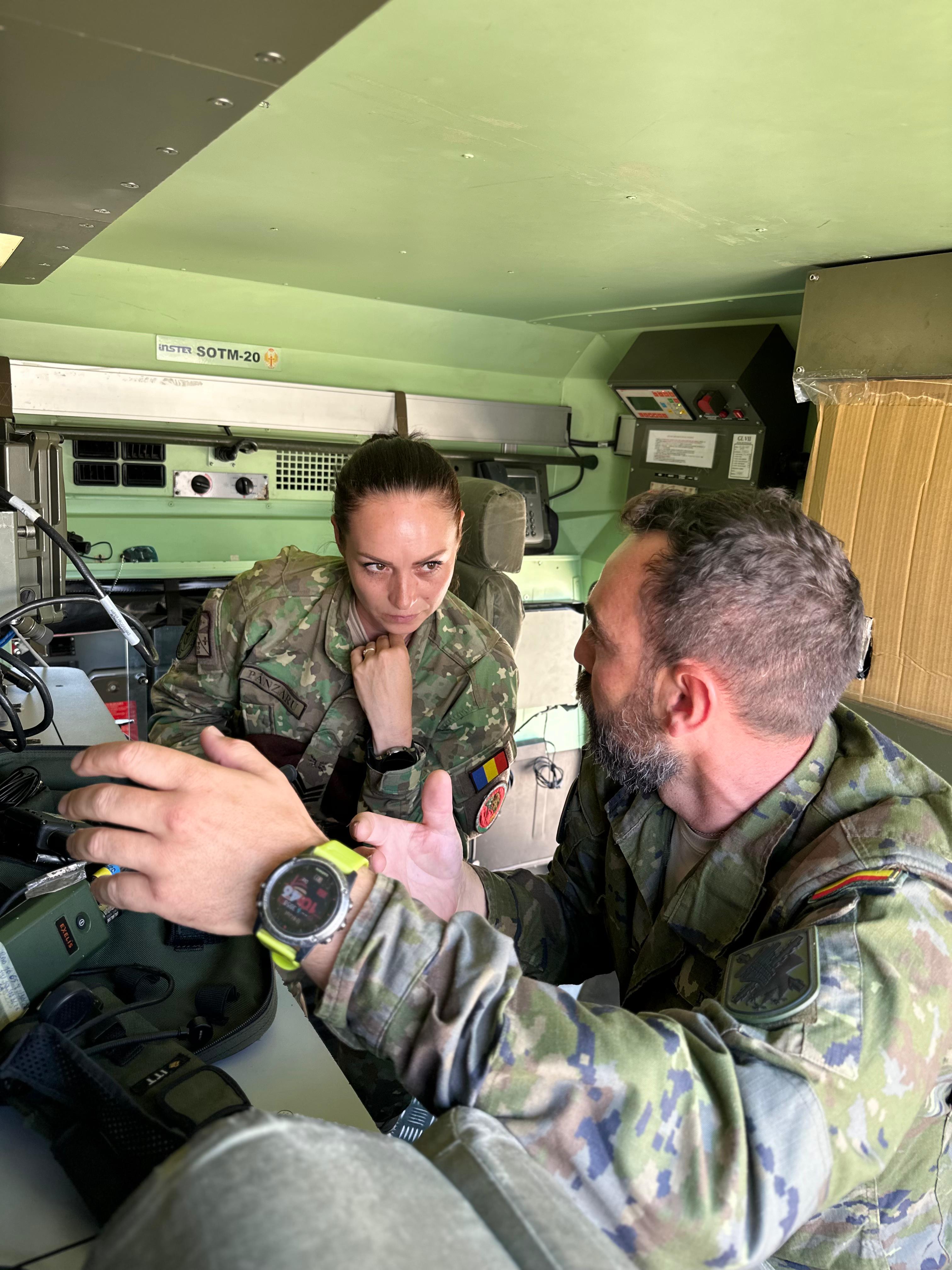
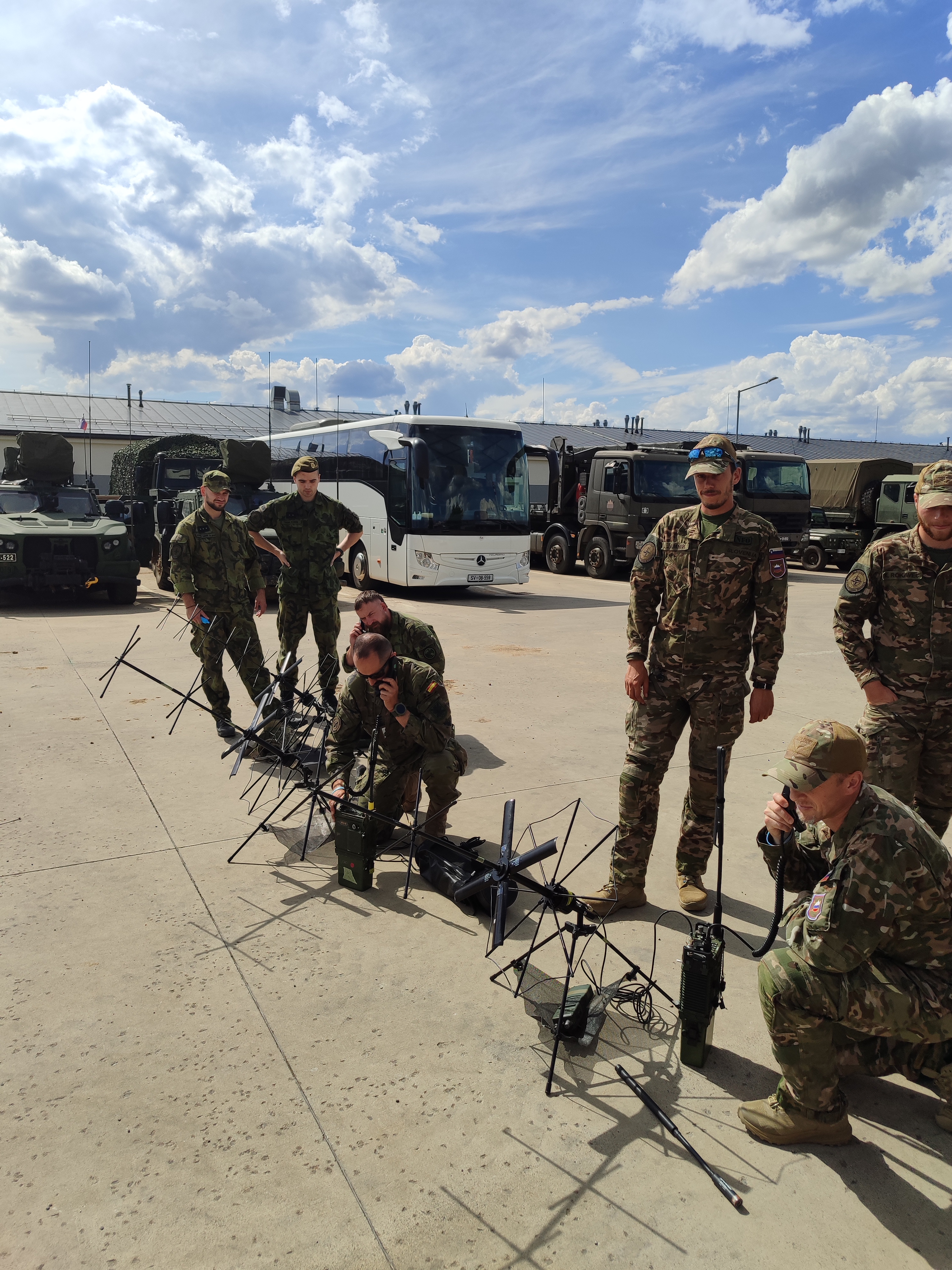
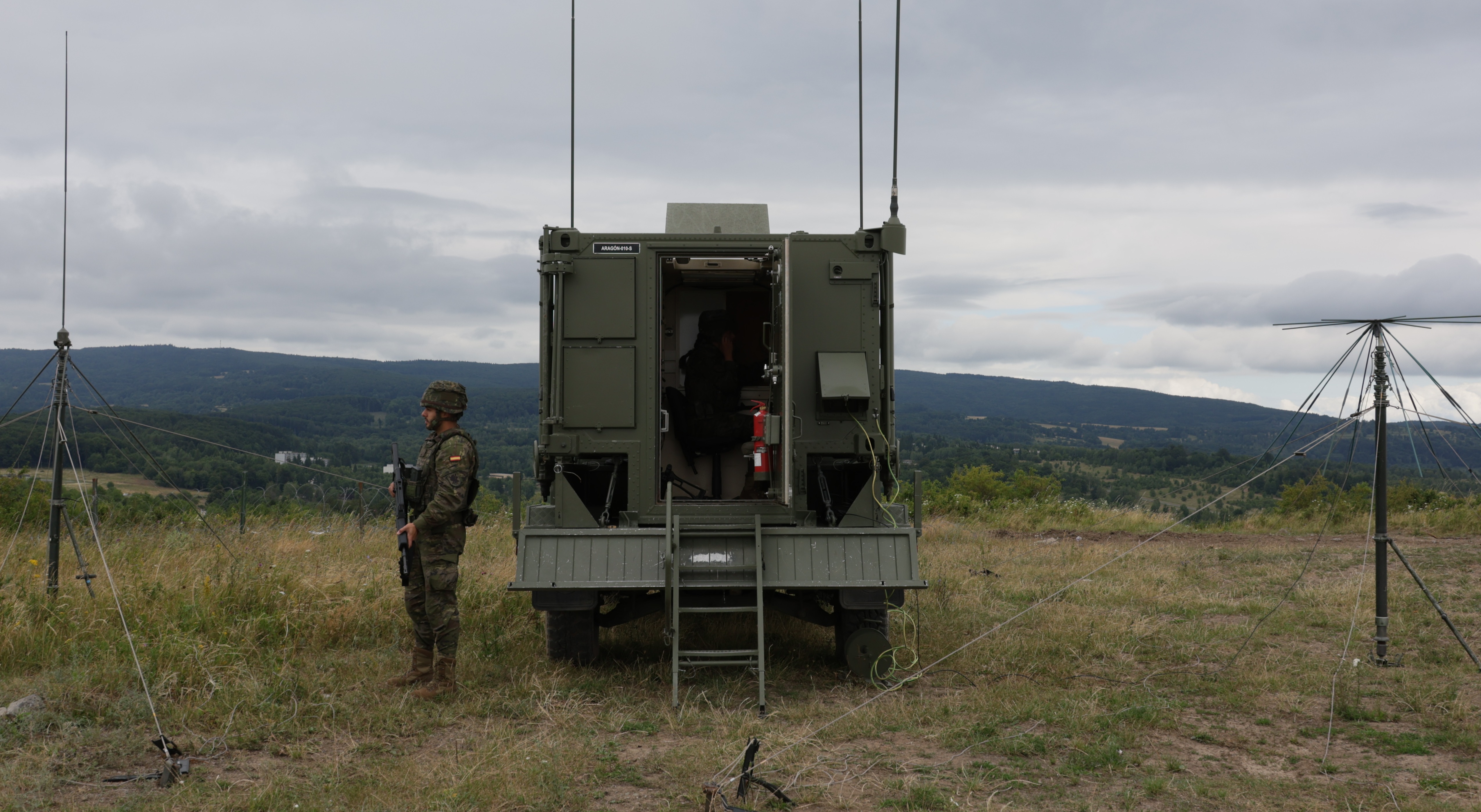
The Spanish Signal Unit deployed in Lešt has organised Alpha-type exercises, at company level, aimed at improving the interoperability and integration of the information and communications systems (CIS) of NATO’s Multinational Brigade Task Force Slovakia (MN BDE TF SVK).
These exercises were carried out at the Military Training Area (MTA) in Lešt and brought together military personnel and technical and operational assets from all the allied nations participating in the MN BDE TF SVK, which is led by Spain as the framework nation.
During this exercise, activities and drills were conducted to improve the technical and operational coordination of the multinational CIS deployed in the Task Force, through joint command of the procedures, organisation structures and capabilities of each NATO contributing members, as well as the search for and consolidation of joint technical solutions to guarantee permanent liaison between all units.
In particular, the following objectives have been successfully achieved:
-
Integration into CIS procedures of all MN BDE TF subordinate units, with the sharing of doctrine, capabilities and methodologies for establishing connections.
-
Establishment and validation of a voice and data SMUX mesh with the TALOS application, which has proven to be highly effective in terms of reducing radio deployment requirements and improving connection range.
-
Technical interoperability in Combat Radio Network (CNR) radio systems with assets from all participating allied members. Through this action, full integration in voice communication systems has been achieved, as well as the nearly total data integration.
These exercises represent a decisive step towards the full integration of CIS capabilities in a multinational environment, strengthening the force's command and control function and ensuring effective, agile and cohesive operations management.
The technical connectivity achieved not only does improve interoperability between allied units, but also increases their tactical effectiveness and permanent combat readiness. In this context, MN BDE TF SVK will continue to move forward in this direction in order to consolidate a CIS system that can support joint operational superiority at the highest level.
NATO's forward presence
NATO's military presence on its eastern flank is a key element of its enhanced commitment to deterrence and defence, which has been boosted in recent years to reflect the new security arena in the Euro-Atlantic area. The forward presence of Allied forces is defensive, proportionate, transparent and in line with the Alliance's international commitments and obligations.
NATO's forward presence comprises eight multinational battlegroups, provided by framework nations and other contributing Allies on a voluntary, fully sustainable and rotational basis.
Troops and personnel from NATO Allies are currently training and exercising together in the east of the Alliance, which represents a strong expression of unity and solidarity. Forces from contributing nations rotate in and out of the Battlegroups, and may be deployed in the area of operations or stationed in their home countries with the ability to deploy quickly, if needed.
Fotos