

UNIFIL and Spain collaborate to improve emergency response capacity in southern Lebanon
-
Spanish blue helmets from BRILIB XLIII launch civil-military cooperation project in the town of Shebaa
Spanish blue helmets belonging to BRILIB XLIII, deployed in the Eastern Sector in southern Lebanon as part of the United Nations Interim Force in Lebanon (UNIFIL), have launched a new project to support the local community. This project developed in the town of Shebaa will directly impact on improving response to all types of emergencies.
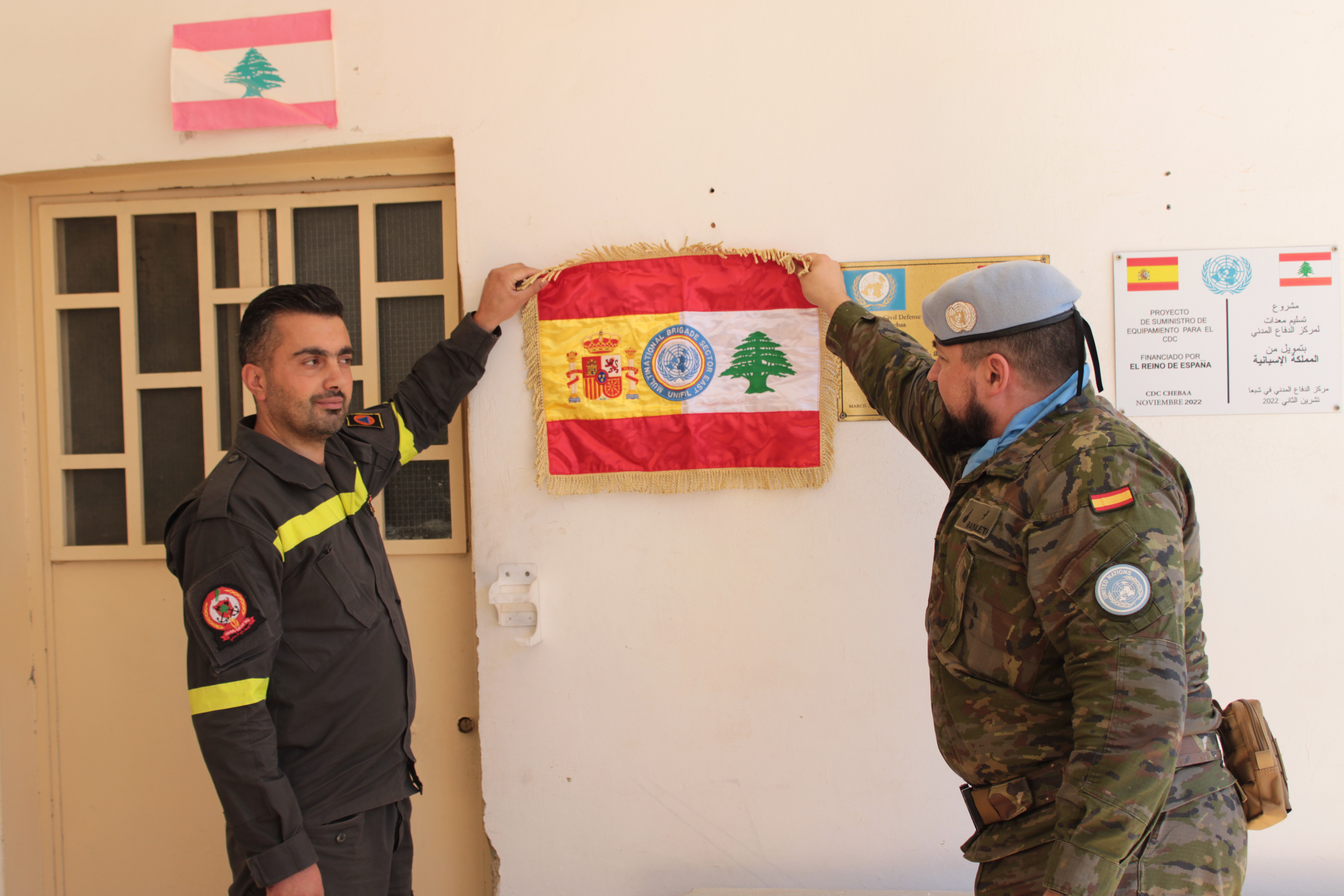
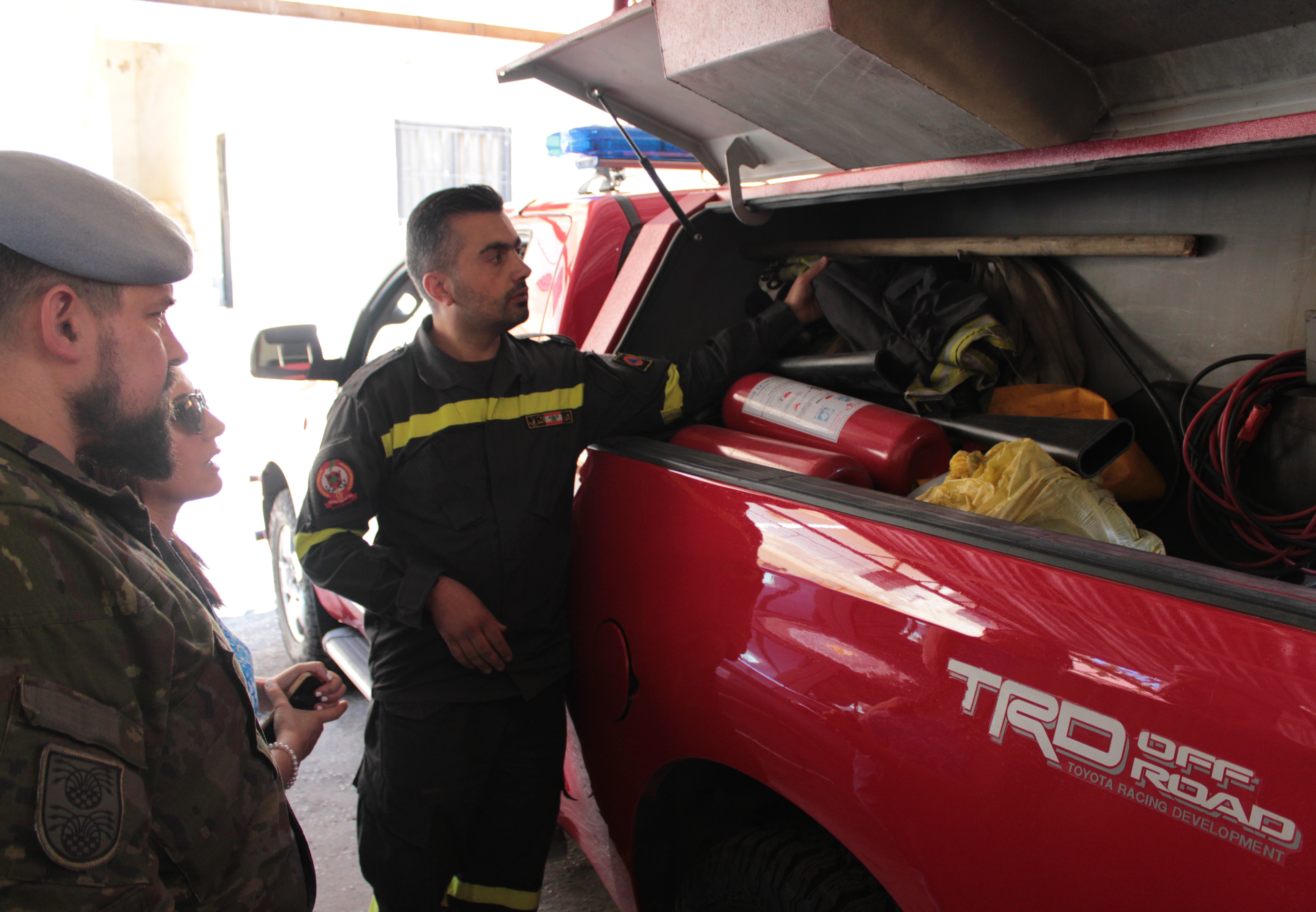
The project consisted of supplying essential parts for the repair of a pickup truck belonging to the Civil Defence Centre (CDC). This vehicle is regularly used in firefighting and emergency response operations. With this support, in which the Spanish blue helmets have been directly involved, the vehicle has regained full operational capacity.
For the local authorities and population, the restoration of the vehicle represents a significant step forward in dealing with risky situations, thereby strengthening the safety and well-being of the population.
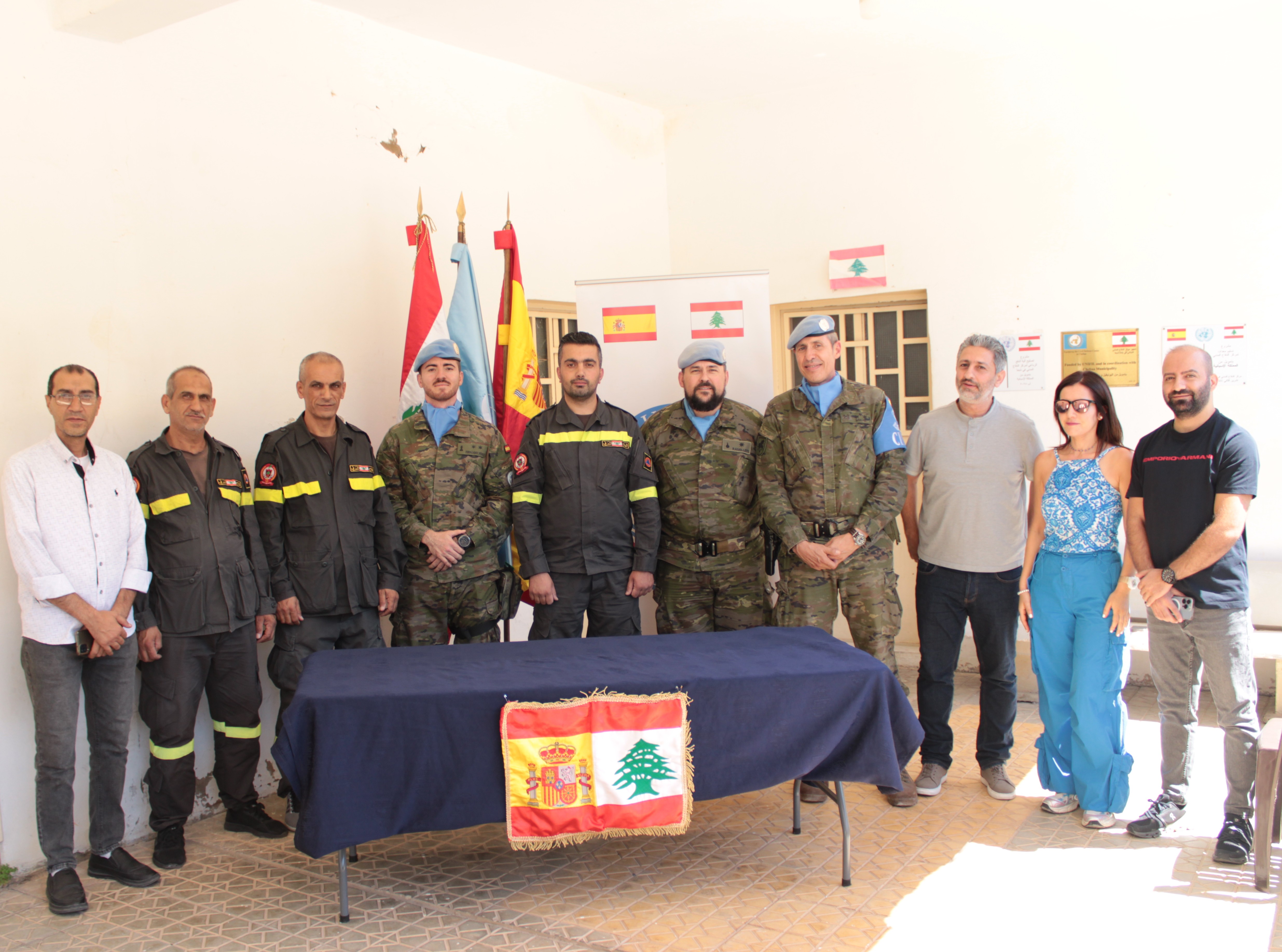
The handover ceremony took place at the CDC premises in Shebaa and was led by Major Jorge Ramillete García, head of the G9 CIMIC section at the BRILIB XLIII headquarters, together with the head of the CDC, Mohamaad-Al-Saadi, who emphasised his gratitude to UNIFIL and Spain for supporting and assisting the population of southern Lebanon.
This project is part of an ongoing commitment to strengthening civil resilience in southern Lebanon, in line with the principles established in United Nations Security Council Resolution 1701.
Through actions such as this one, UNIFIL reaffirms its willingness to actively collaborate with local institutions, contributing directly to the development and protection of communities most vulnerable to emergencies.
UNIFIL for peace in southern Lebanon
The UN mission in Lebanon has among its tasks to monitor the cessation of hostilities between Hezbollah and Israel. Concurrently, the mission accompanies and assists the Lebanese Armed Forces in the south of the country and along the separation between the two states, the so-called Blue Line. It also guarantees humanitarian access to civilian populations and the voluntary and safe return of displaced persons.
Fotos