

Tactical Air Detachment “Marfil” came to and end in Senegal after more than 12 years of operational cooperation in the region
- Official closing ceremony in Thies, bringing to an end the uninterrupted presence of the Air and Space Army in West Africa, while other military cooperation activities in the African country and the region continue
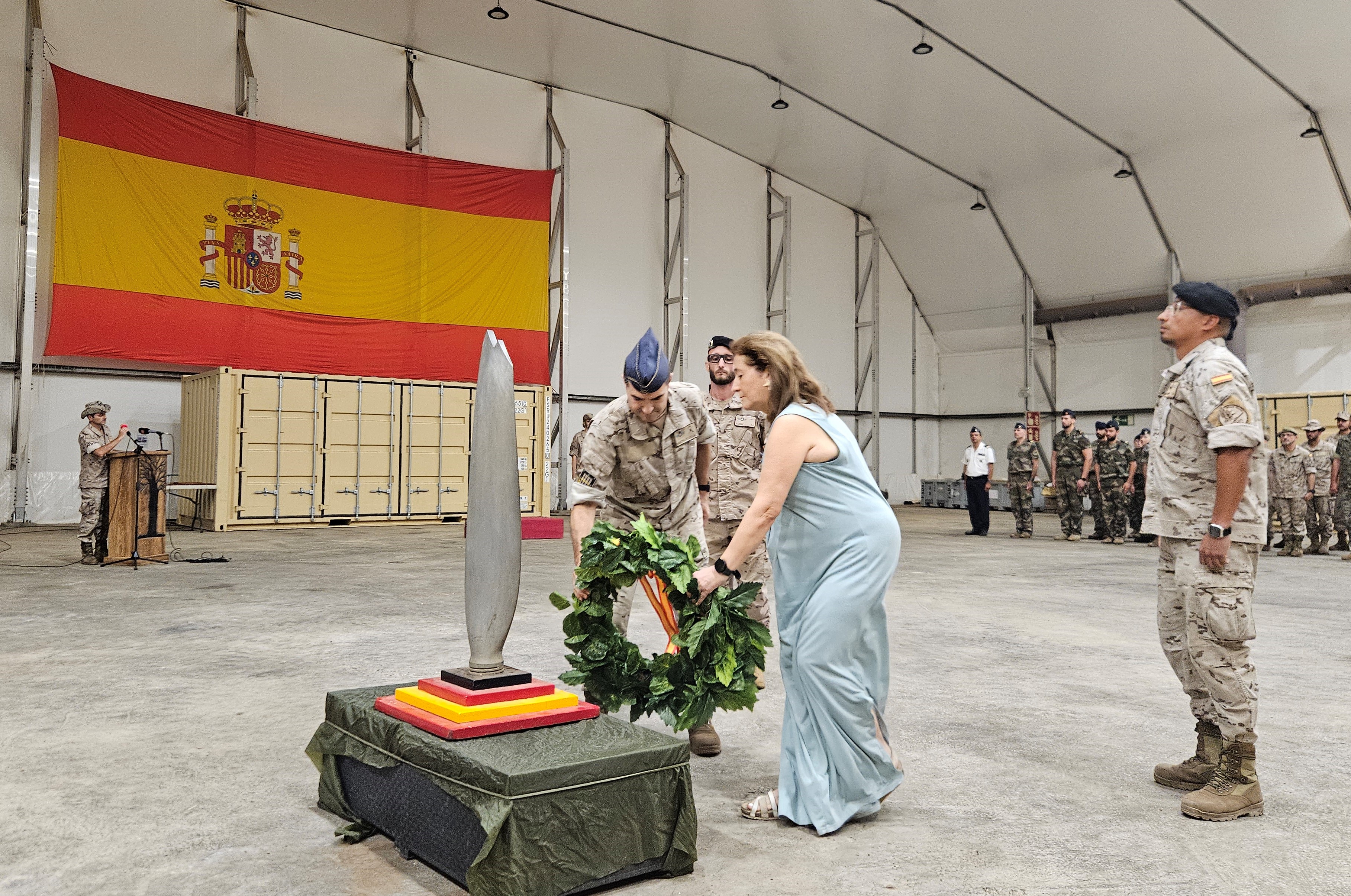
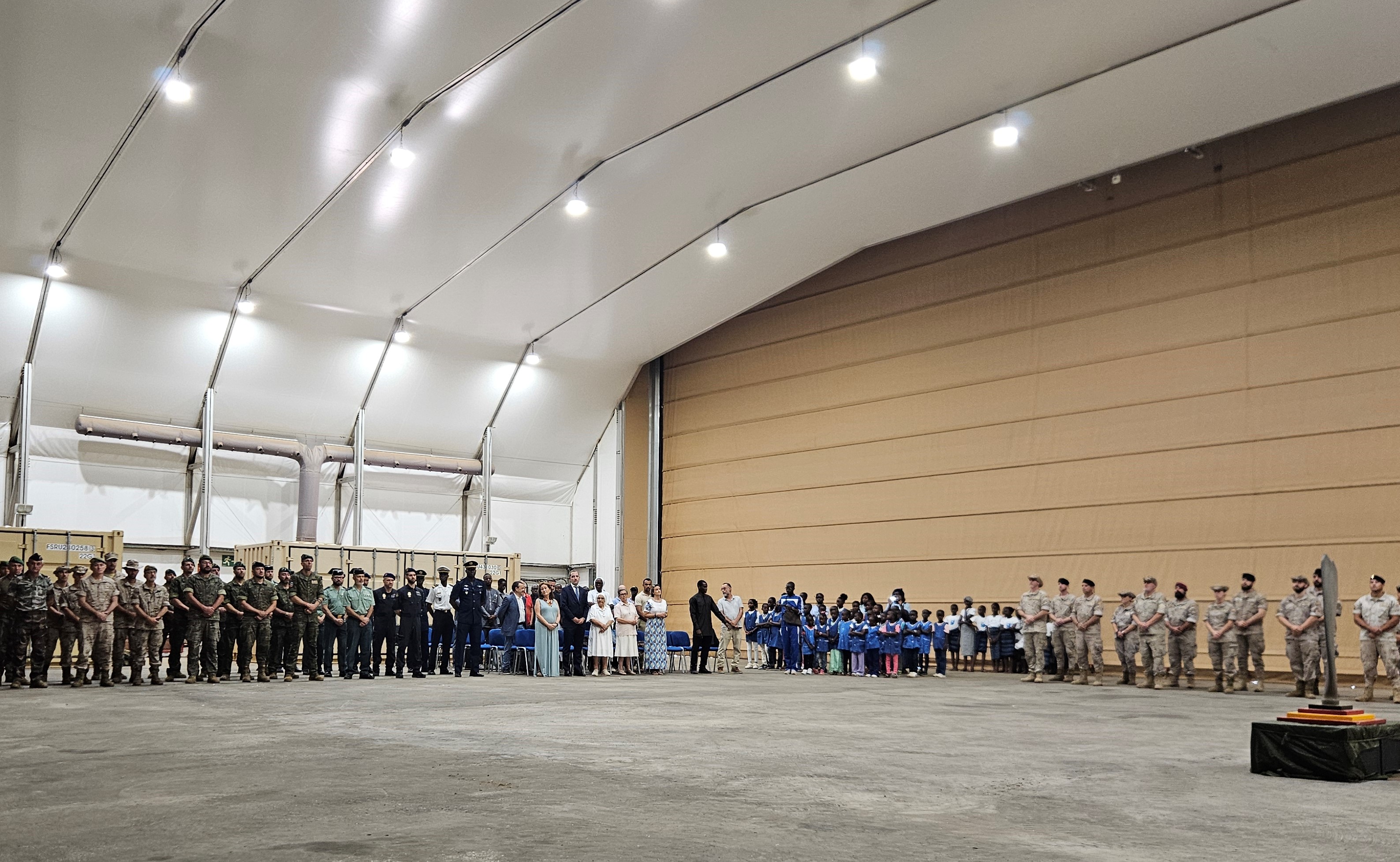
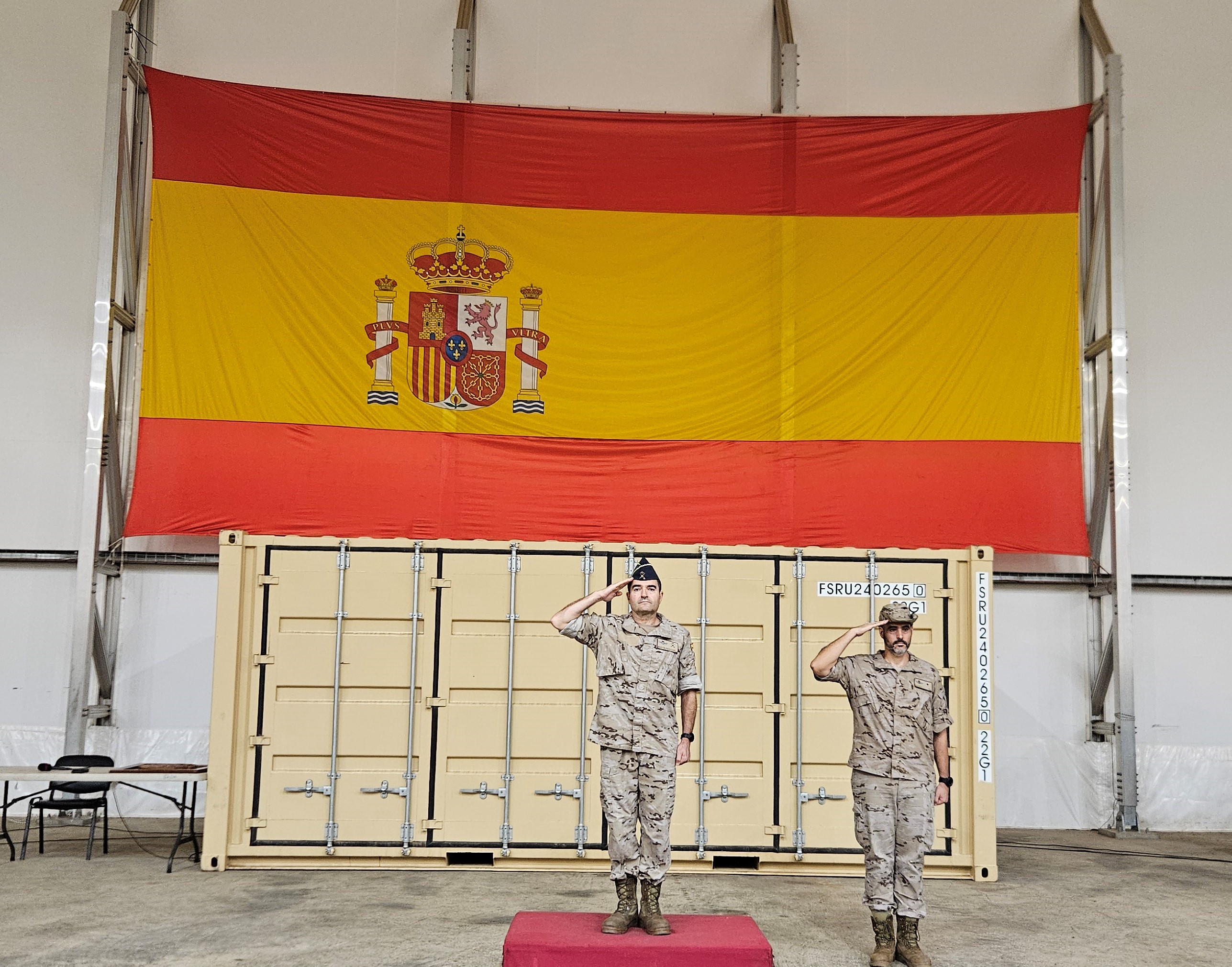
In a ceremony full of symbolism and emotion, held at the ‘Escale Aéronautique Commandant LEMAITRE’ in Thiès (Senegal), the official deactivation of the Tactical Air Detachment (DAT) “Marfil” took place. The ceremony was presided over by Brigadier General Fernando Martín Pascual, representing the Commander of the Operations Command (MOPS), who exercises operational control of this air deployment. It was attended by numerous civilian and military authorities, including the Spanish Ambassador to Senegal, Dolores Ríos Peset, as well as senior representatives of the Armed Forces of Senegal and France. In addition, a large group of teachers and students from Senegalese schools - linked to Spain and “Marfil” - also wished to join in this farewell ceremony for the Spanish contingent.
Since its creation in January 2013, the DAT “Marfil” has been a key instrument for the projection of Spanish air power in the Sahel, contributing with more than 1,200 missions, 15,000 flight hours, the transport of more than 4,000 tonnes of cargo and more than 20,000 passengers. In 2020, the integration of capabilities following the assumption of the functions of the DAT Mamba, which was deployed in Gabon, consolidated “Marfil” as the main node of the Air and Space Army in West Africa.
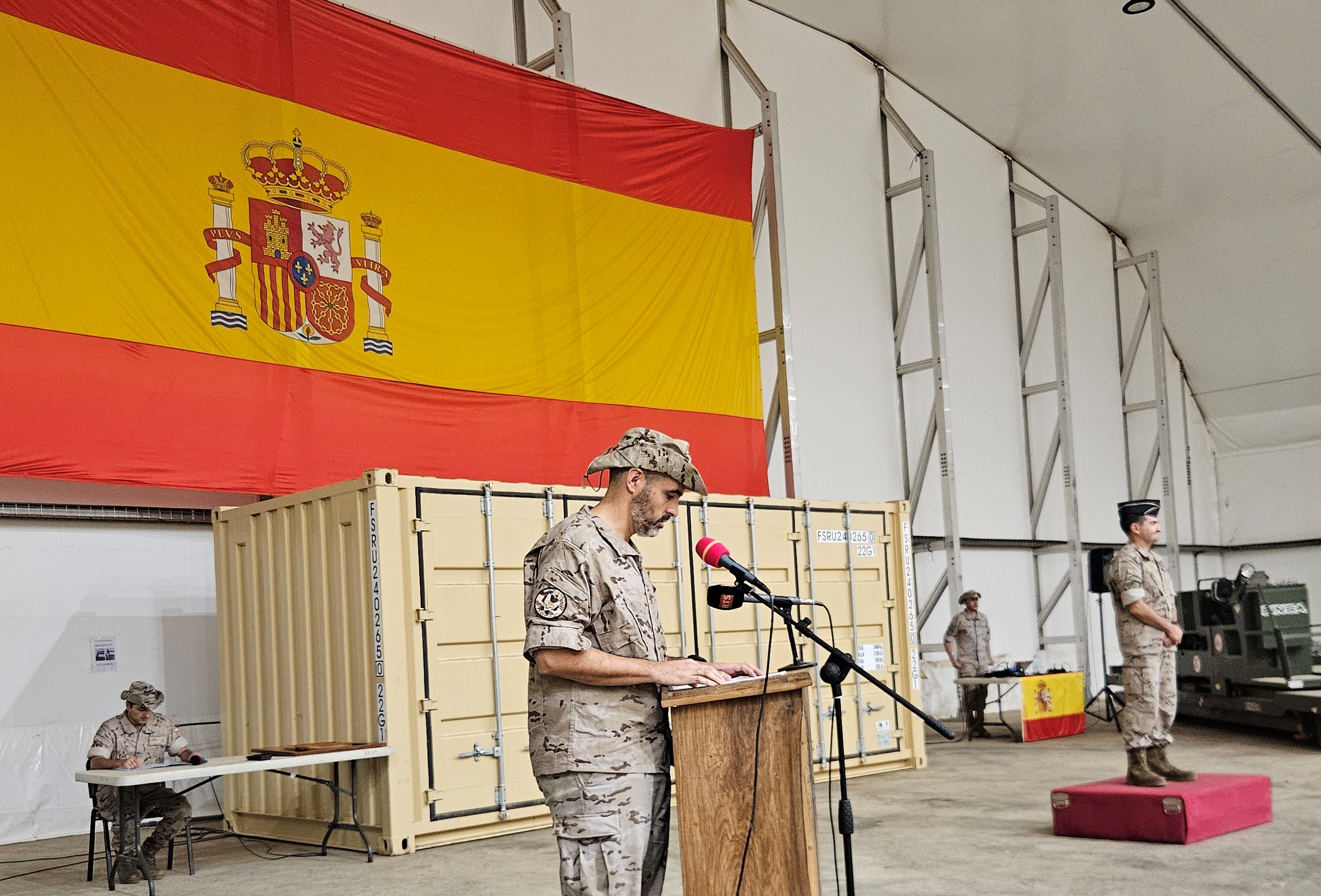
During the ceremony, the head of the 48th contingent of the DAT “Marfil” gave a farewell speech in which he underlined the historical importance of this mission and highlighted the value of the operational, diplomatic and human legacy left by the contingents that have succeeded each other over the years. In his words, ‘we are leaving knowing that we are closing an important chapter, but we are leaving a fully alive legacy’. In this regard, he also wanted to emphasise that, despite the closure of “Marfil”, Spain's presence in Senegal, ‘a brother country and ally’, and throughout the region continues to be very notable: from cooperative security activities at the bilateral level, to Spain's naval deployments in the Coordinated Maritime Presence operation or the Security and Defence Initiative, which are mainly, but not only, focused on the Gulf of Guinea region.
At the ceremony, General Martín Pascual acknowledged the extraordinary cooperation with the Senegalese and French armed forces, and stressed the importance of this joint work and the support received during the Spanish presence in the region. In his speech, he also thanked the 48th contingent for its work, highlighting its ability to successfully complete the assigned mission and the withdrawal process. ‘You have been able to take difficult decisions with responsibility and clarity, acting as a perfectly synchronised team, at the height of what the mission demanded’. And to close so many years of air presence in Senegal, he wanted to emphasise that our presence in the country will continue through bilateral activities or the collaboration of the Guardia Civil and the National Police on the ground: ‘relations that we want to continue in the future, because we believe that they are beneficial for both friendly countries’.
After the military ceremony, the Senegalese schoolchildren wanted to give a traditional dance prepared for the occasion. In the words of their teachers, ‘the children were very excited to do something special’ to thank the Spanish military for the great help they have given them in building a better and safer future. This extensive support has been provided through extensive civil-military cooperation with their schools throughout the Spanish deployment, always with the aim of improving the training of Senegalese children.
Finally, in the toast to Spain and to the performance of DAT “Marfil” for so many years, the ambassador pointed out that this mission ‘has been an essential pillar of the Spanish presence in the Sahel’, and asked the Spanish military to return to Spain "with their heads held high and with the satisfaction of having fulfilled their duty. Senegal will never forget your support and commitment".
All in all, the deactivation of the DAT “Marfil” marks the end of a cycle of more than twelve years of Spain's active and committed presence in this strategic region, but the fraternity and mutual collaboration with Senegal will always remain with the aim of shaping peace, security and development for all. In the words of the detachment chief, Commander Moro, ‘the future is full of challenges, but if Ivory Coast has shown anything, it is that Spain is prepared to face them, effectively, with a vocation for service and a firm will for international cooperation’.
Ivory Detachment
The “Marfil” Tactical Air Detachment has been part of Operation Support Mali (A/M), and is composed of Air and Space Army personnel. Since 2020, its base of operations has been the ‘Escale Aéronautique Commandant Lemaitre’, which is located within the facilities of the French Elements in Senegal (EFS), at the Blaise Diagne International Airport, in the town of Thiès.
Since its creation in January 2013, “Marfil” has maintained a permanent presence in Senegal, being a clear exponent of the Spanish Armed Forces' commitment to regional and international security. Its main mission is to provide tactical and logistical airlift, as well as in-flight refuelling, whenever capabilities allow. These activities are carried out under the operational direction of the Operations Command (MOPS), and are aimed at supporting the fight against terrorism and reinforcing stability in the strategic environment of the Sahel.
In addition, the detachment has provided support to transient Spanish aircraft, both Air and Space Army and Guardia Civil.
In its last stage, the DAT was made up of 15 military personnel from different Air and Space Army units, with the Air Deployment Support Squadron (EADA) standing out. Periodically, this team has been reinforced by personnel from the 35th Wing, especially during the deployments of the T.21 aircraft. At its moments of greatest operational intensity, it has come to operate 2 aircraft simultaneously, with a detachment that has reached 70 military personnel deployed.
Finally, “Marfil” has also been an effective tool for cooperation, through initiatives in support of Senegalese civil society: delivery of school and health material, support for educational and solidarity projects; at the same time it has consolidated a close institutional link and friendship with local and international authorities that will always remain.
Fotos