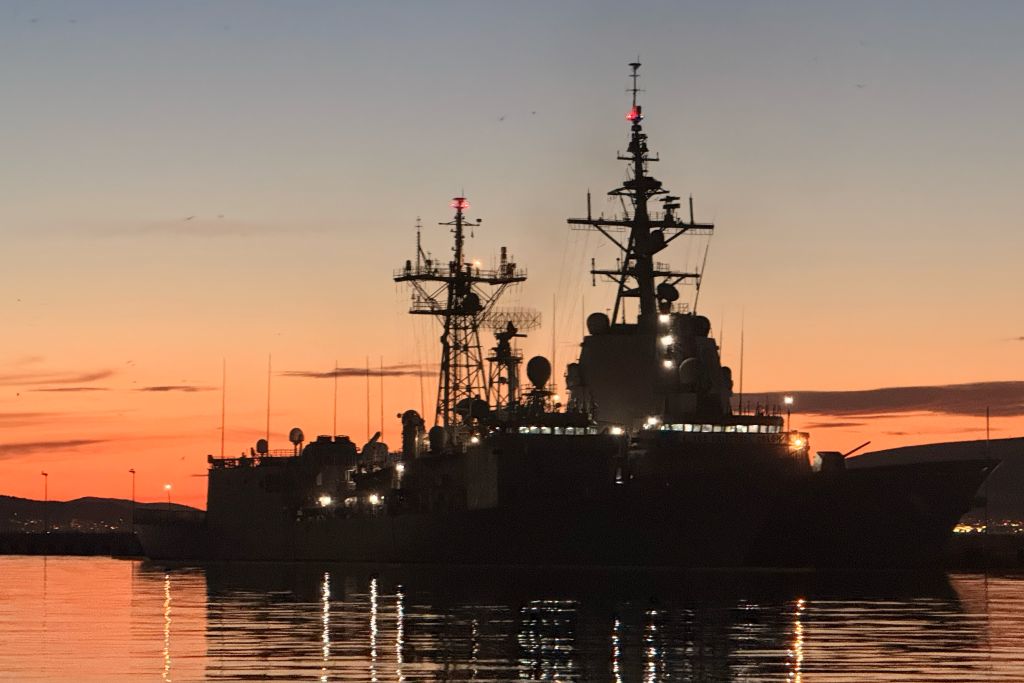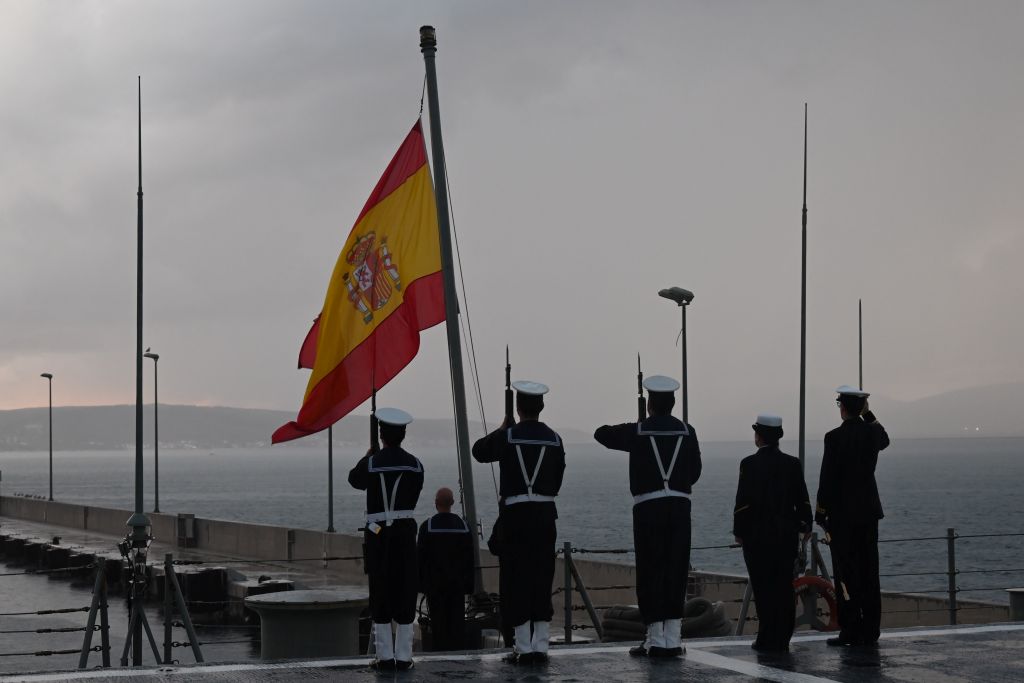


The frigates ‘Cristóbal Colón’ and ‘Navarra’ dock in Split in support of the national industry
- This port call has strengthened the international profile of Spain’s capabilities in the naval and defence sectors
The frigates ‘Navarra’ (F-85) and ‘Cristóbal Colón’ (F-105) have called at the Croatian port of Split during their deployment in the Mediterranean Sea, as part of Spain’s international commitments, during which they will carry out surveillance and deterrence activities.
During the port call in Croatia, the crews carried out activities to support the national industry, with the aim of strengthening ties for future collaboration between Spain and Croatia in the fields of naval capability development, training, innovation and industrial cooperation.
Following the ship’s docking, the Commander of the Navy’s 41st Escort Squadron (COMANDES-41), Lieutenant Commander Rafael Mira Calvo, and the Commander of the “Navarra”, Commander Valentín Calvar Cerecedo, paid courtesy visits to the Defence Staff of the Croatian Navy, where they were received by the Chief of Defence of the Croatian Navy Fleet, Captain Antun Flegar. They also visited Split City Hall, where they were received by the Deputy Mayor, Matea Dorcic, and the Deputy Prefect of Split-Dalmatia County, Stipe Cogelja.
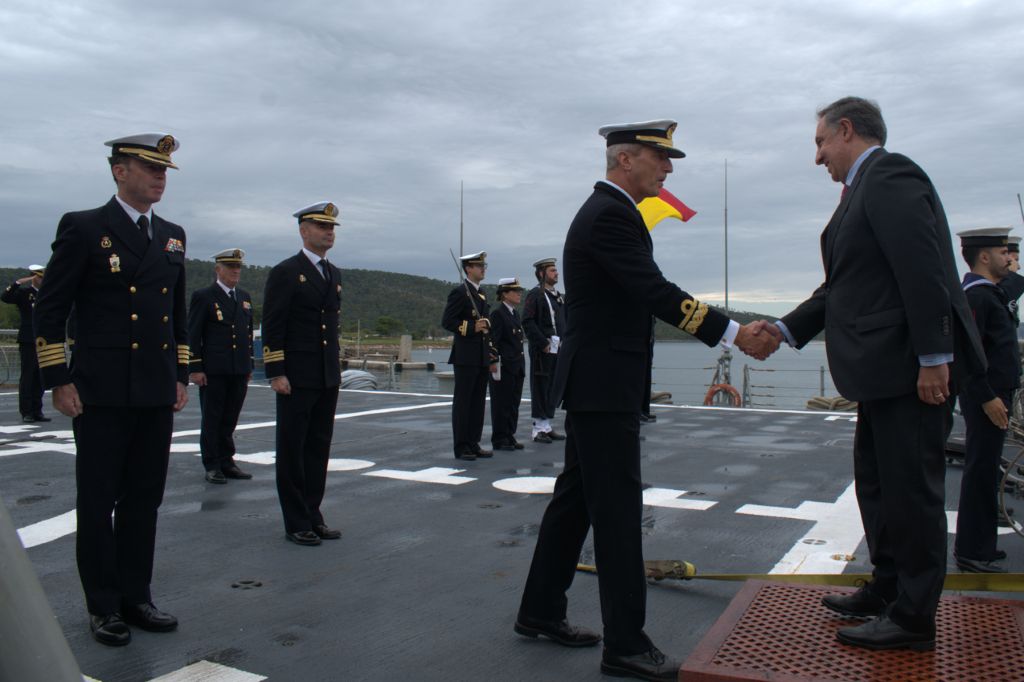
Following the official visits, the Chief of Defence Fleet, Rear Admiral Santiago Vila Barrón, together with COMANDES-41 and the commanders of the frigates “Navarra” and “Cristóbal Colón”, welcomed aboard the Ambassador of the Kingdom of Spain to the Republic of Croatia, José Ramón García Hernández, as well as the Chief of Defence of the Croatian Navy and the Croatian Minister for Tourism and Sport.
Representatives from the company Navantia were also welcomed aboard the “Cristóbal Colón”, where they gave the Croatian personnel a briefing explaining the capabilities of the warships designed and built by the company. During the reception, Rear Admiral Vila Barrón emphasised “the importance of cooperation between NATO navies, such as those of Spain and Croatia”.
This type of defence diplomacy helps to support naval programmes developed by companies such as Navantia for other countries, as the naval defence industry is of strategic importance due to its ability to maintain the highest possible level of technological independence.
In addition to the port call in Split, the frigates called at the Italian port of Naples. Both visits have provided a framework for defence diplomacy and for strengthening relations with allied countries, as well as for supporting the defence industry. The close ties between the naval defence industry and the Navy have enabled it to rank amongst the world’s most competitive in the design and manufacture of warships and in the technological development of naval systems.
NAVAL PRESENCE, ALLIED CO-OPERATION AND DEFENCE DIPLOMACY
The deployment, which began on 24 September, will continue until 2 November, when it will tie in with a national exercise.
Whilst sailing in the Mediterranean Sea, this deployment enabled the frigates to join NATO Standing Naval Group 2 (SNMG-2), where they took part in the ‘Mare Aperto’ exercise and in activities with the Hellenic Navy. In addition, they joined the ITS Cavour battle group to take part in the ‘Neptune Strike 26.4’ (NEST 26.4) exercise.
Spain’s active, effective and supportive participation within NATO, alongside our allies, helps to promote collective security in the face of global threats. Spain’s contribution to NATO ensures that the high level of preparedness, professionalism and responsibility of the Spanish Armed Forces is recognised.
Furthermore, this deployment has included presence, surveillance and deterrence operations in the Strait of Gibraltar, the Gulf of Cádiz and the Alboran Sea, as well as support activities associated with Operation Sea Guardian. These actions contribute to maritime situational awareness, naval presence and security in areas of interest to Spain and its allies.
Fotos