

The NATO naval force led by Spain is operating in the North Atlantic and the Arctic
- Troops from the Spanish Expeditionary Combat Group have taken part in the ‘Neptune Strike 26-3’ exercise to enhance their capabilities in multi-domain operations
Units from the Commander Task Force Atlantic (CTF-AT), commanded by Vice-Admiral Juan Bautista Pérez Puig, Commander of the Spanish Maritime Forces Headquarters (SPMARFOR), have taken part in NATO’s enhanced surveillance exercise ‘Neptune Strike 26-3’ in the North Atlantic and Arctic regions.
This Alliance Enhanced Vigilance Activity (eVA) has aimed to strengthen collective defence, interoperability and constant readiness. Led by NATO’s Naval Striking and Support Force (Naval Striking and Support Forces – STRIKFORNATO), it tests the real-world integration of aircraft carrier strike groups and amphibious expeditionary groups, as well as air-sea-land-space-cyber interoperability in demanding scenarios and in cold weather conditions, contributing to deterrence, defence and cooperative Allied security.
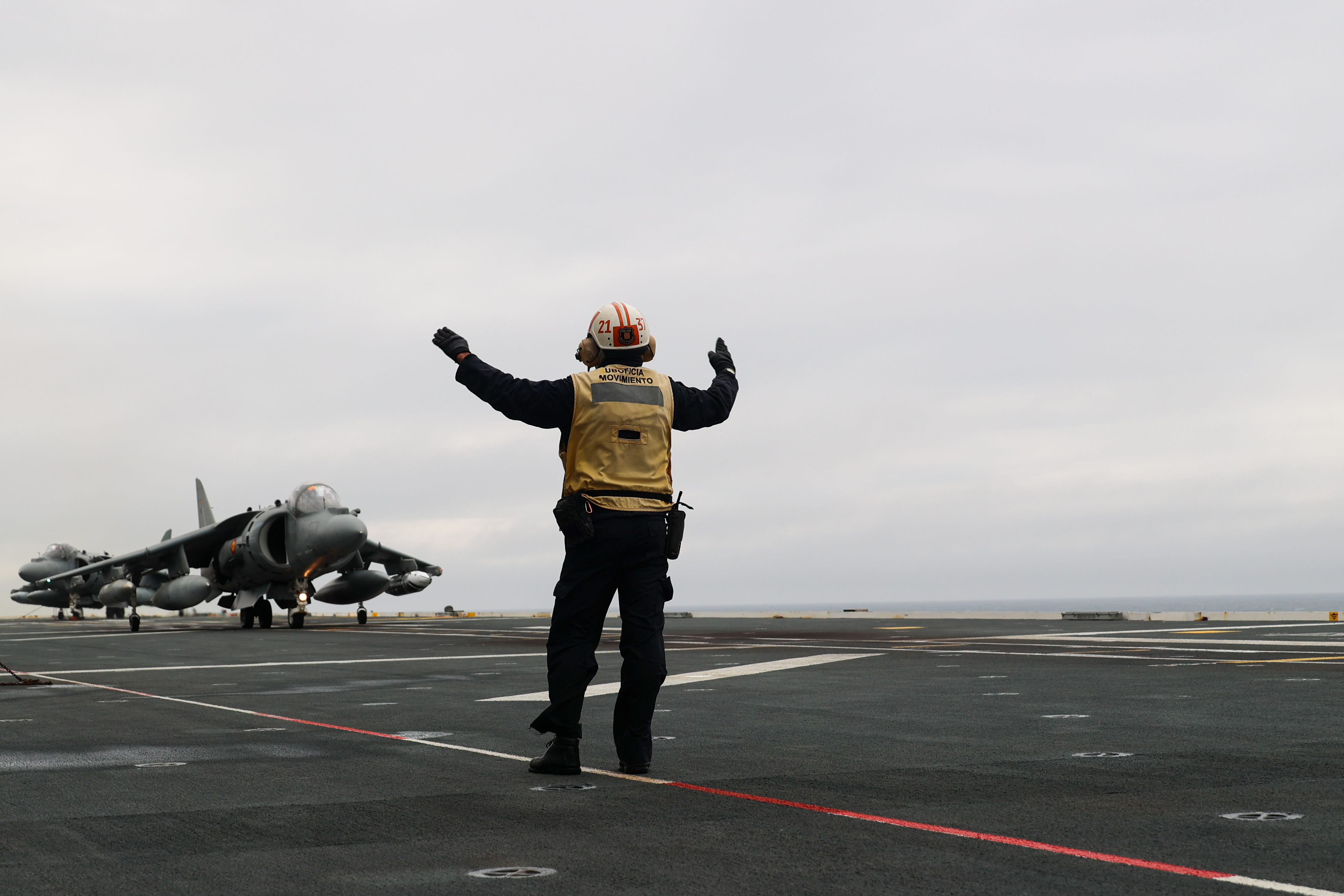
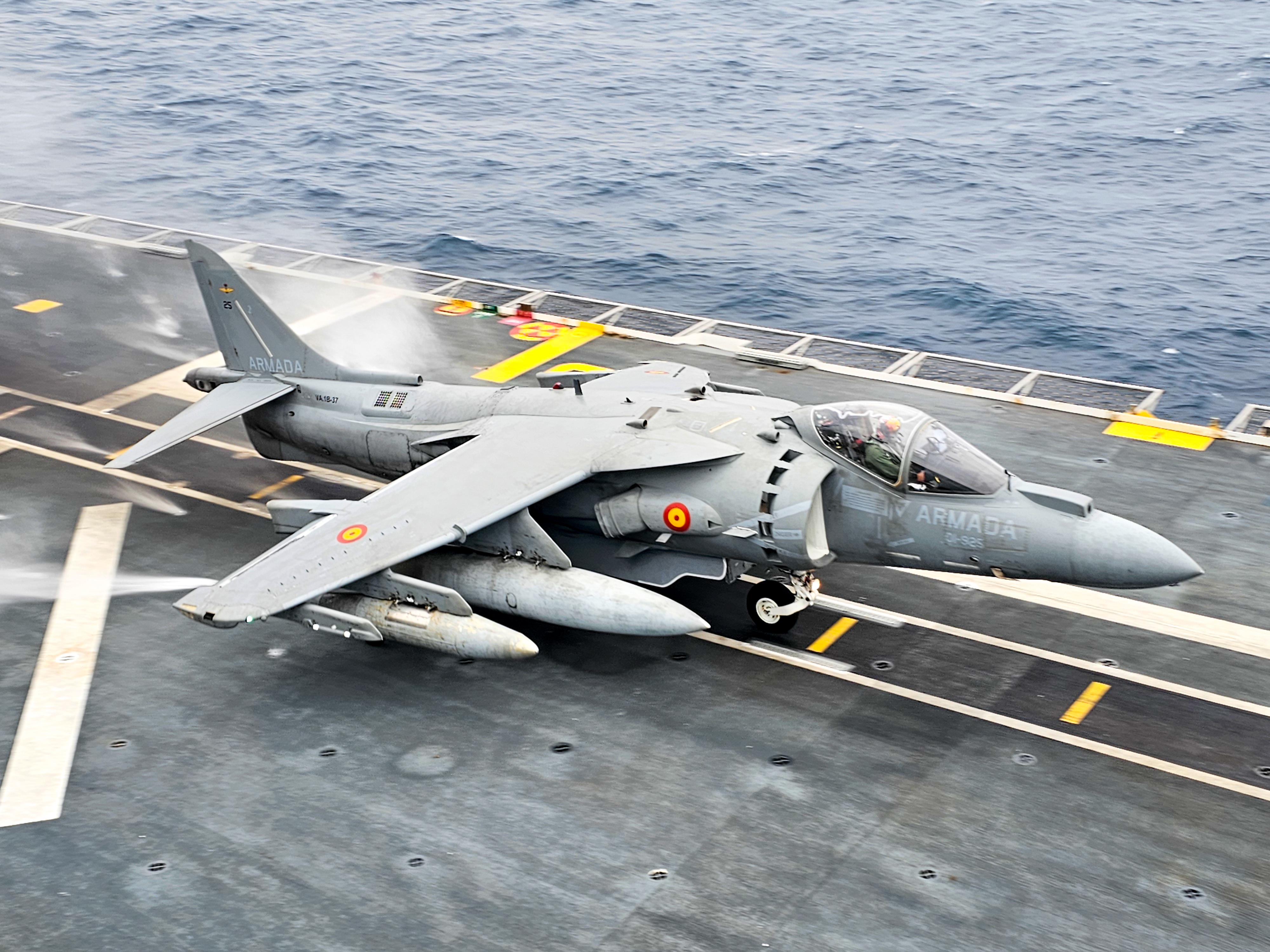
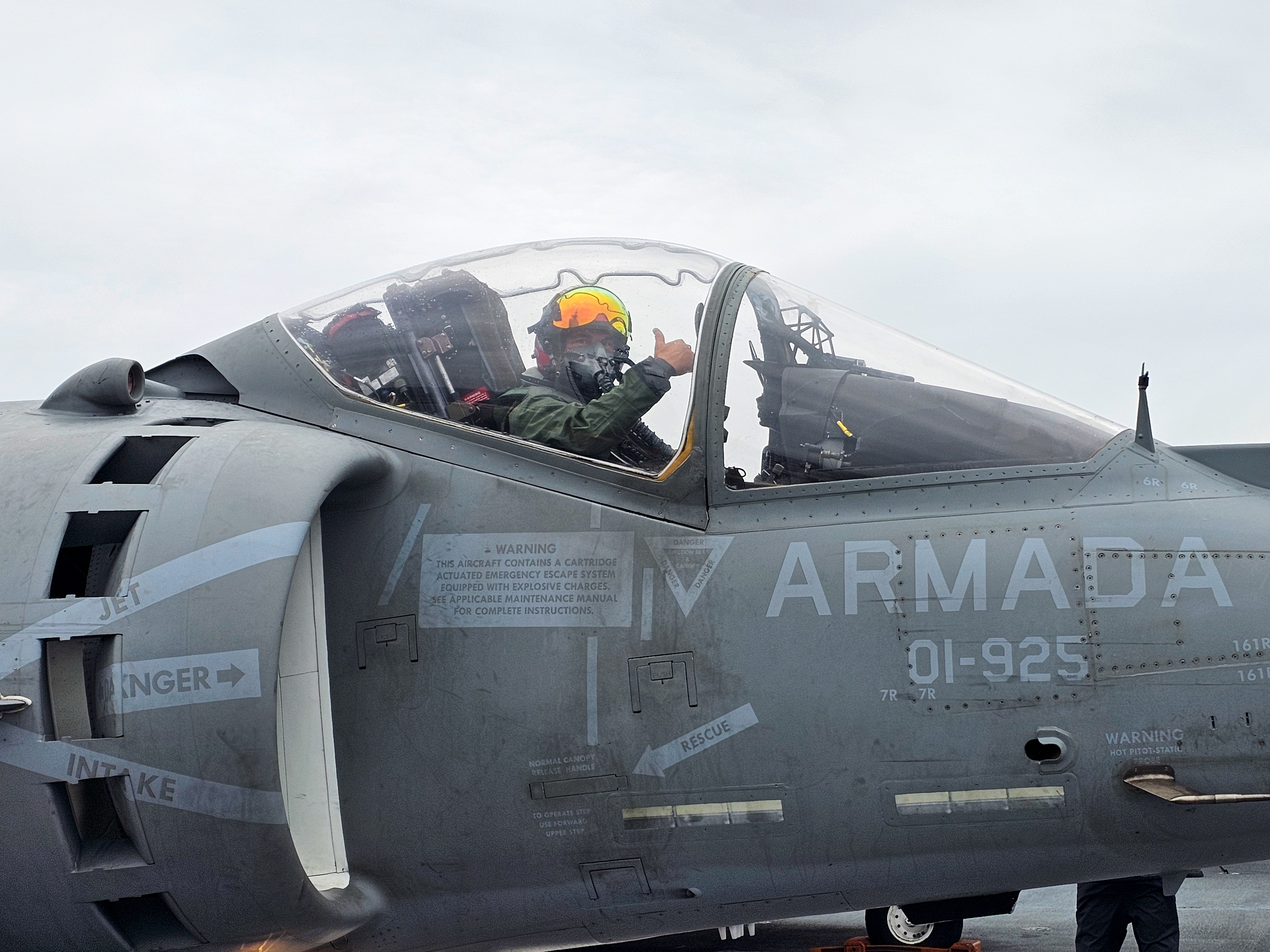
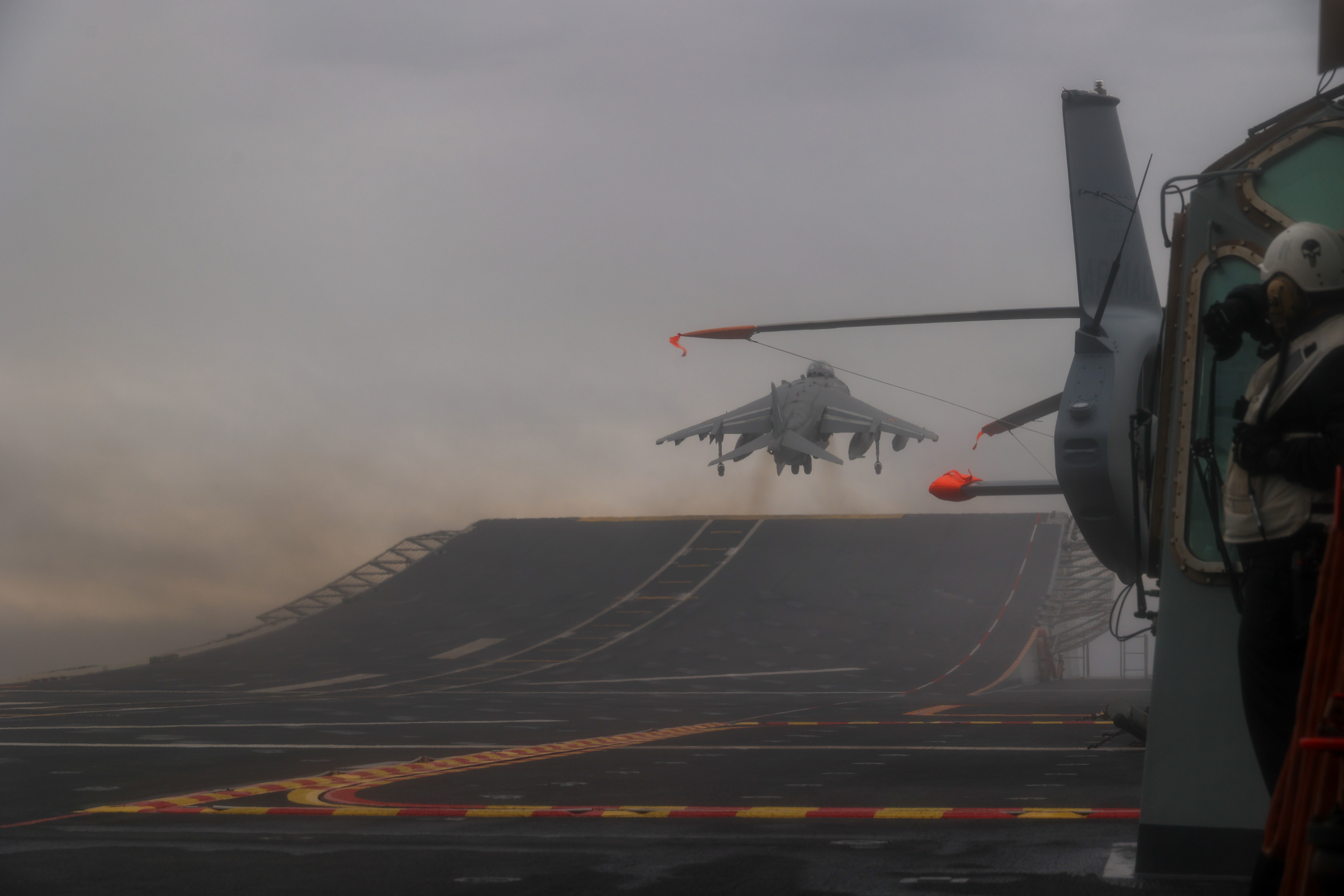
This was the first time that the ‘Neptune Strike’ exercises had focused on the North Atlantic and Arctic regions, as part of the ‘Arctic Sentry’ surveillance operation. Underwater surveillance activities were carried out with the support of US Navy maritime patrol aircraft, long-range land attacks from the sea were conducted by Spanish Harriers taking off from the ‘Juan Carlos I’, and ship boardings were carried out.
Vice-Admiral Pérez Puig explained during the press conference held on board the amphibious assault ship ‘Castilla’ in the port of Reykjavík that both the exercise and the ‘Arctic Sentry’ mission “demonstrate NATO’s collective determination to strengthen readiness and enhance allied capabilities in the Arctic and the High North”.
‘Neptune Strike 26-3’ trains “high-level maritime strike capabilities”, whilst through its participation in ‘Arctic Sentry’, the Force “supports regional stability and contributes to NATO’s multi-domain presence in the Arctic, carrying out deterrence and defence activities whenever and wherever necessary”. In this way, “Spain is helping to improve situational awareness in the Arctic, to hone our skills for operating more effectively in these environmental conditions, and to enhance NATO’s regional expertise”, added the vice-admiral.
Finally, he emphasised Spain’s commitment to NATO and its allies, pointing out that “more than 2,200 Spanish sailors (700 of whom are marines), five ships (an aircraft carrier, an amphibious assault ship, two frigates and a replenishment vessel), together with fighter aircraft, helicopters and amphibious capabilities, are under NATO command: the Strategic Projection Vessel ‘Juan Carlos I’, the Amphibious Assault Ship ‘Castilla’, the frigate ‘Blas de Lezo’, the frigate ‘Reina Sofía’ and the Combat Supply Ship ‘Patiño’”.
Having successfully completed this operation, the Spanish Expeditionary Strike Group is now on the high seas, heading back to national territory.
Fotos