

The MILEX26 exercise tests the European Union’s rapid deployment capability
Spain has been the lead nation for this exercise, during which the EUBG26 battlegroup – led by Spain – was also formed, DEMONSTRATING the cohesion and operational readiness of its capabilities
The MILEX 26 exercise concluded today with a field demonstration, having fulfilled the objectives of verifying the European Union’s rapid deployment capability, as well as the cohesion and operational readiness of the ‘EUBG 26’ battlegroup, led by Spain.
Spain served as the lead nation for the fourth edition of this exercise, which took place at the ‘San Gregorio’ Training Centre in Zaragoza. A key new feature this year was that, for the first time, units operated on the ground, enabling the full integration of EUBG 26, with all its capabilities, thereby making it a truly operational force.
The field demonstration (Live Exercise, LIVEX), which took place today, was attended by the Chief of Defence, Admiral López Calderón; the Chair of the European Union Political and Security Committee, Lene Mandel Vensild; the Chair of the European Union Military Committee, General Clancy; and the Director-General of the European Union Staff, Lieutenant General Michiel van der Laan, amongst other dignitaries.
The exercise included a tour of the Operational Headquarters (OHQ), staffed by Eurocorps personnel. During the visit, various capabilities were demonstrated, such as VAMTAC vehicles equipped with electro-optical sensors to provide night-vision and vision in complex environments; the PITON vehicle, used for reconnaissance, detection and identification missions in areas contaminated by Chemical, Biological, Radiological and Nuclear (CBRN) threats; the MISTRAL air defence missile; as well as a demonstration of drones capable of gathering critical information in real time.
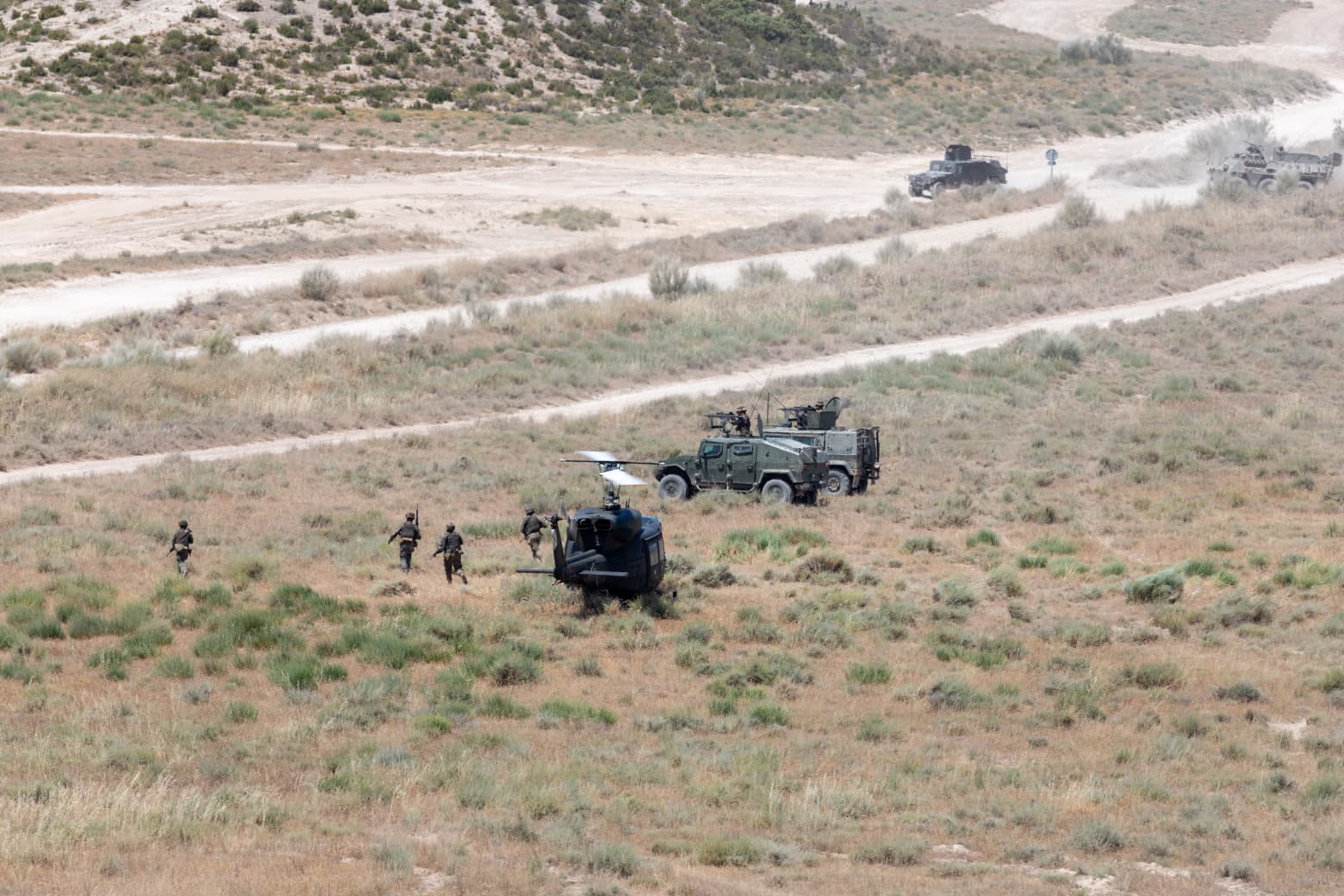
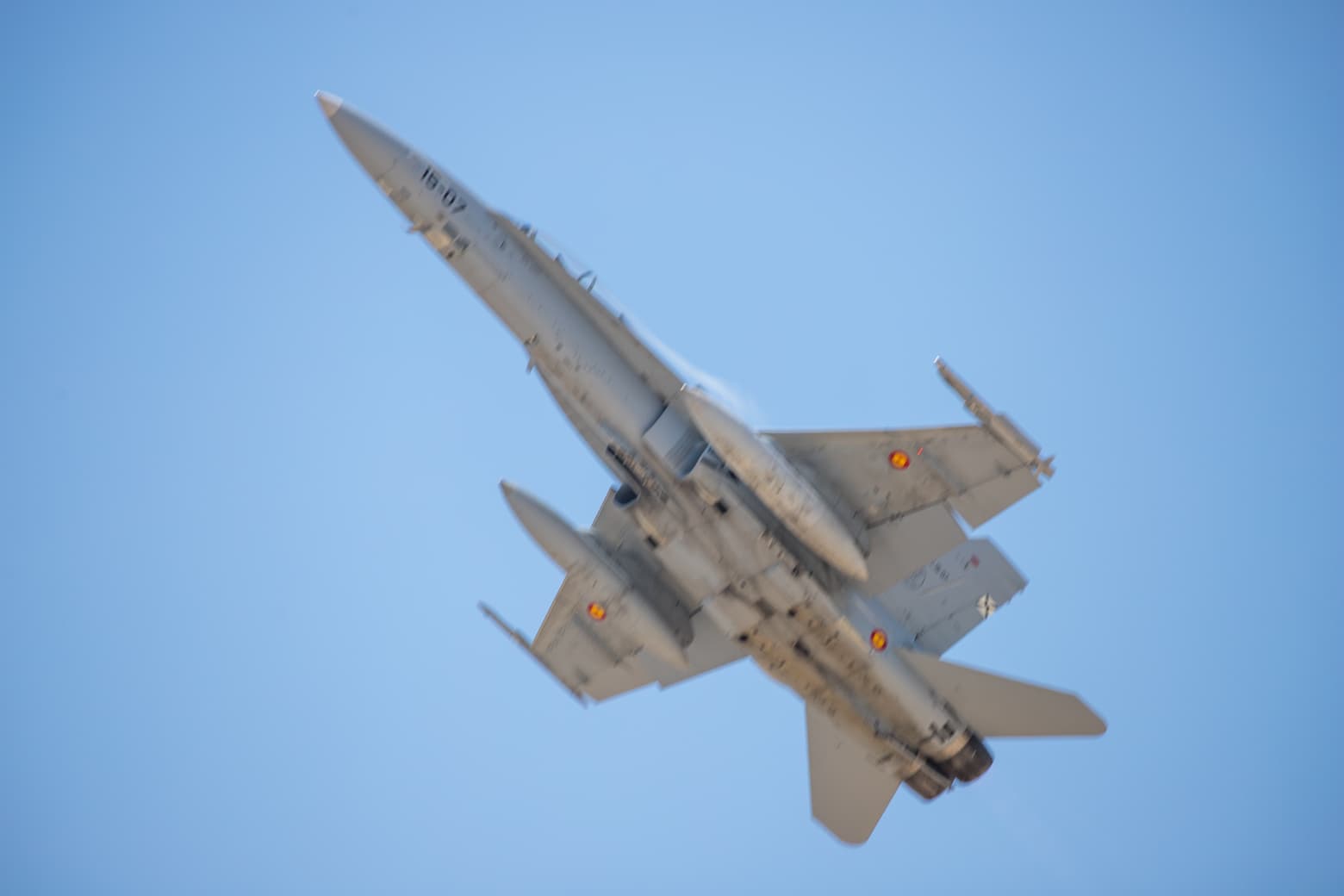
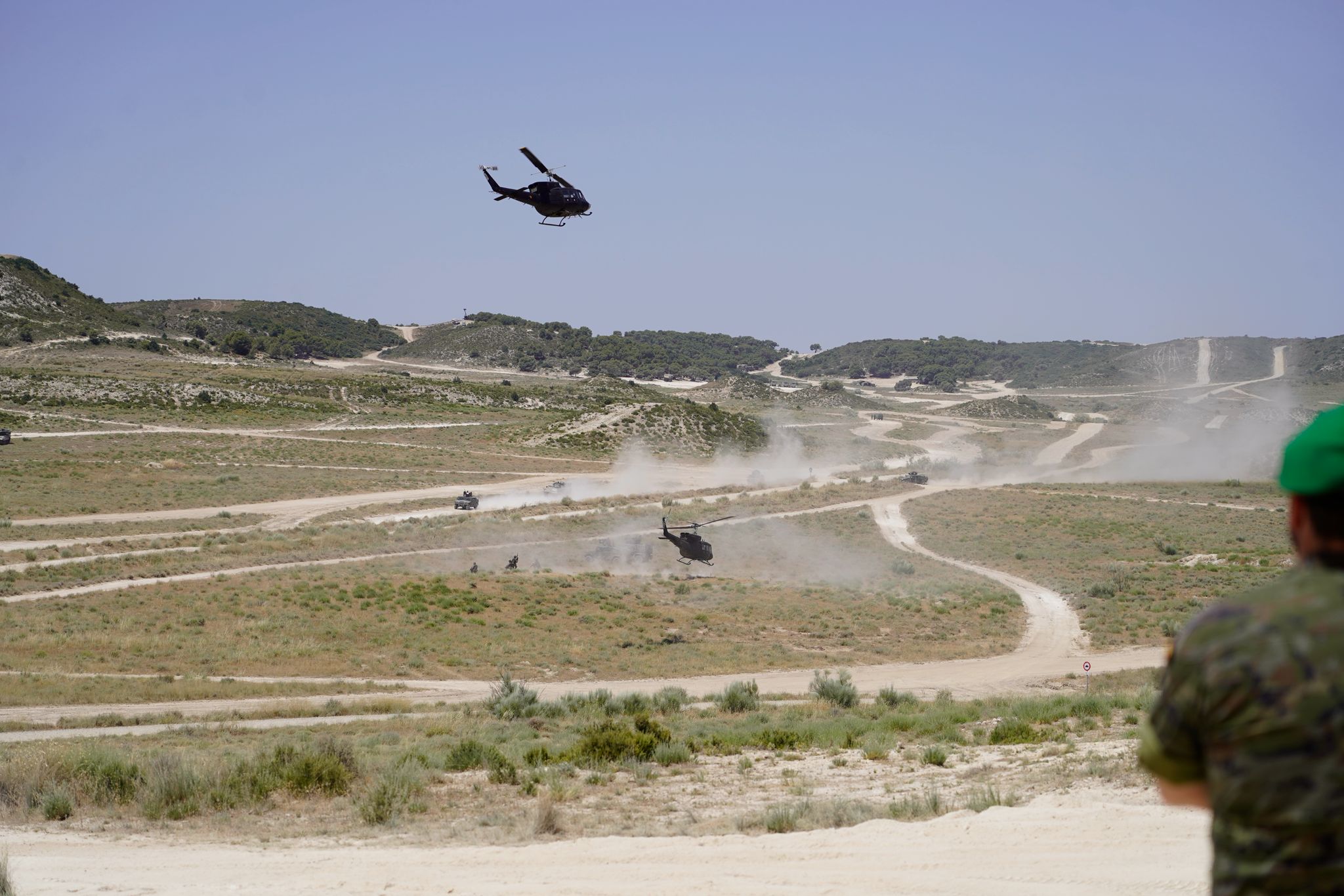
As for the EUBG26 combat group’s LIVEX, a field exercise was conducted involving a convoy coming under attack from insurgents and responding to the attack. It also included air support from F-18 fighter jets and helicopters, as well as the evacuation of a casualty.
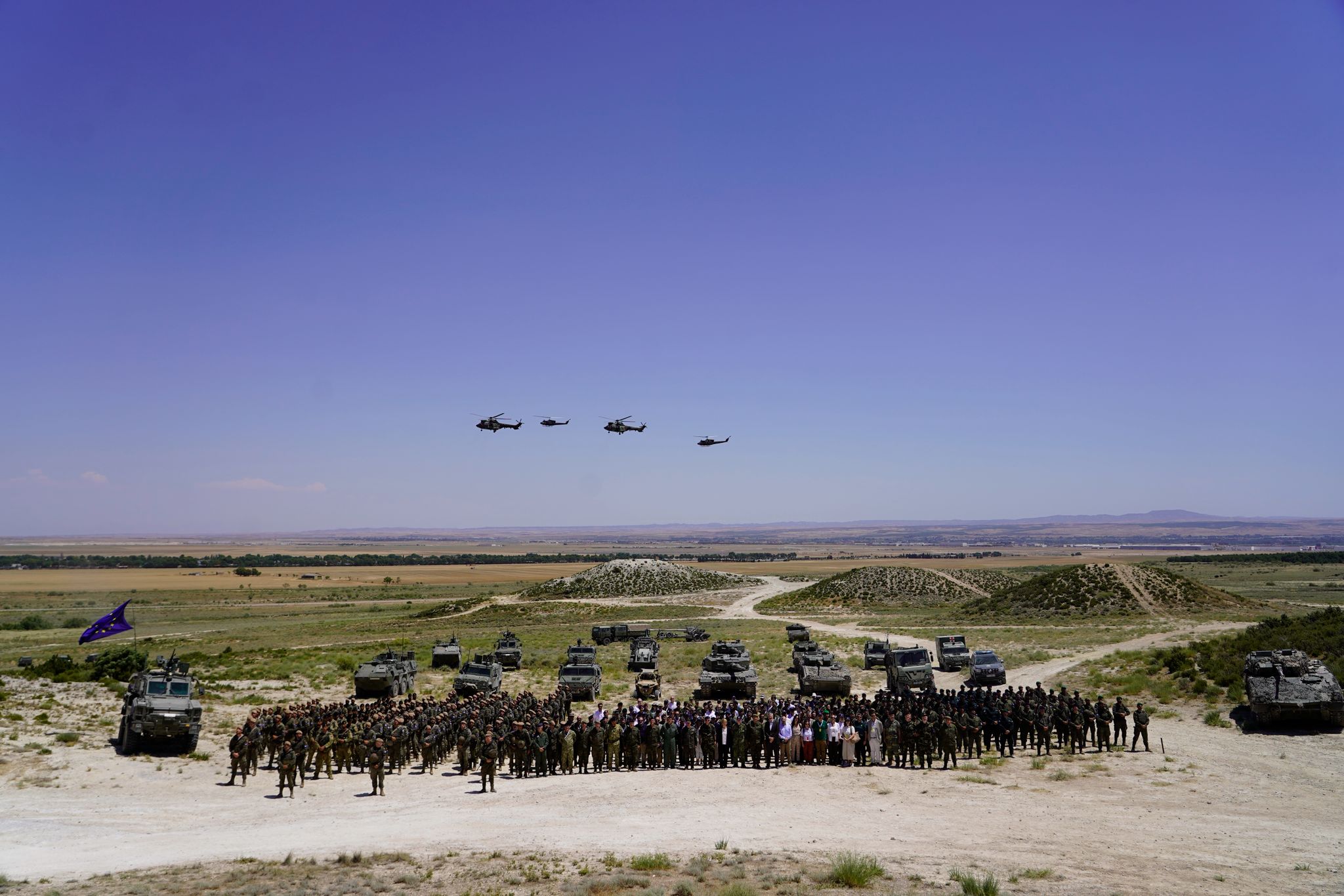
Among the capabilities deployed by EUBG 26 are an infantry battalion; combat support units; artillery units; engineer units; nuclear, biological and chemical protection units; Unmanned Aerial Vehicle (UAV) units; military police; canine units; signals units; a ROLE 2B unit; a helicopter unit; an ISTAR group; armoured units; main battle tanks; an information environment support unit; CIMIC team; and a Guardia Civil border control and investigation team.
In total, around 2,500 soldiers from 13 Member States and more than 250 vehicles took part. To test the European Union’s Rapid Deployment Capability (RDC), the exercise was conducted at three levels:
- Strategic level, managed by the Operations Headquarters in Brussels, led by the MPCC.
- Operational level, managed by the force headquarters, comprising Eurocorps personnel.
- Tactical level, managed by the EU Battlegroup, EUBG26, led by Spain during the second half of 2026 and the first half of 2027, with the 16th Canary Islands Brigade (BRICAN XVI), part of the Canary Islands Command (MCANA), serving as its core unit.
EUBG26 is a clear demonstration of the country's commitment to European security and defence, as well as its capacity for interoperability with other armed forces and its full readiness to carry out the missions entrusted to it and to deploy wherever required.
Fotos