

The deployment of the Maritime Component Command of NATO's Allied Reaction Force, led by Spain, has come to an end
- After more than six weeks, the deployment in support of allied deterrence in northern European waters has come to an end
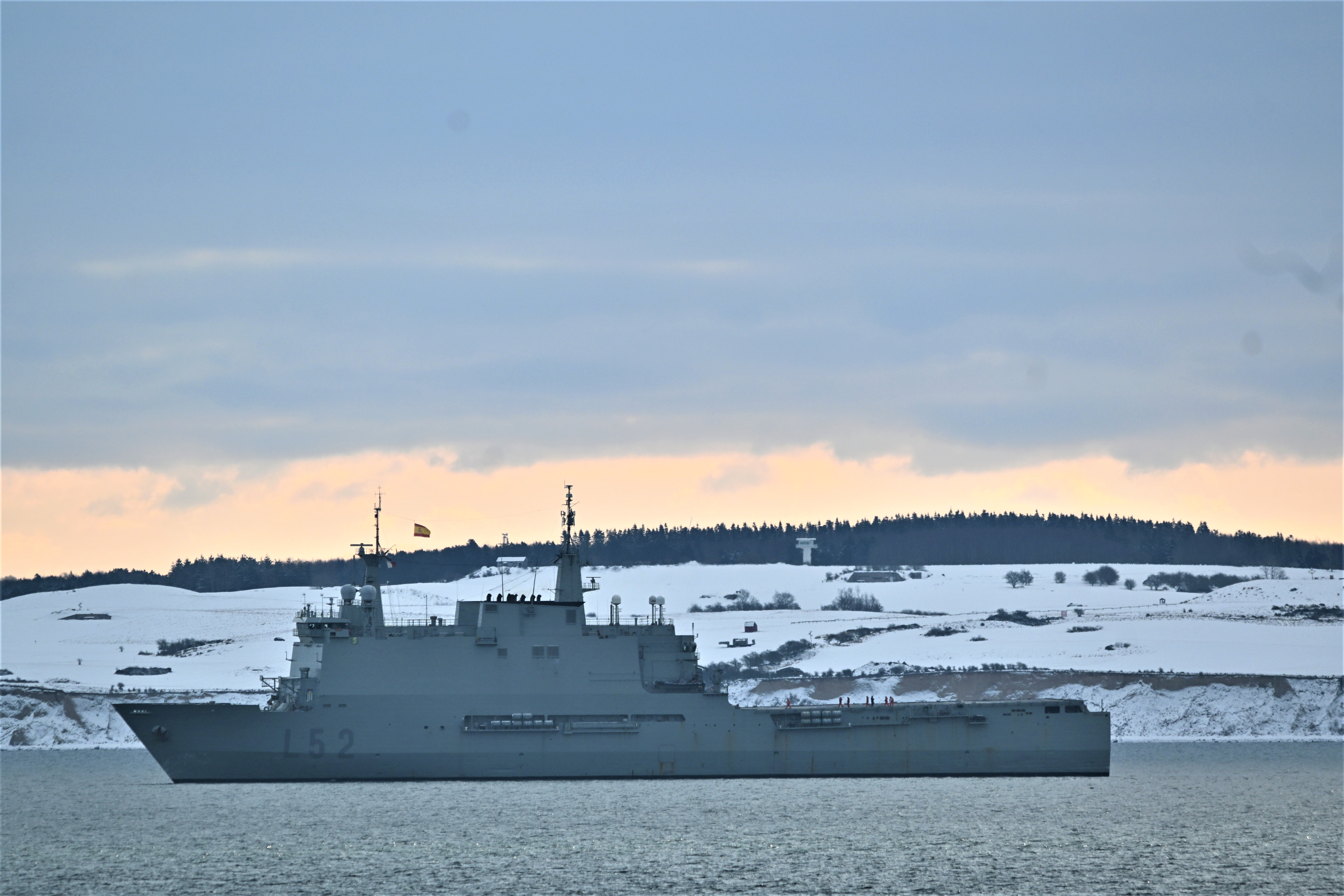
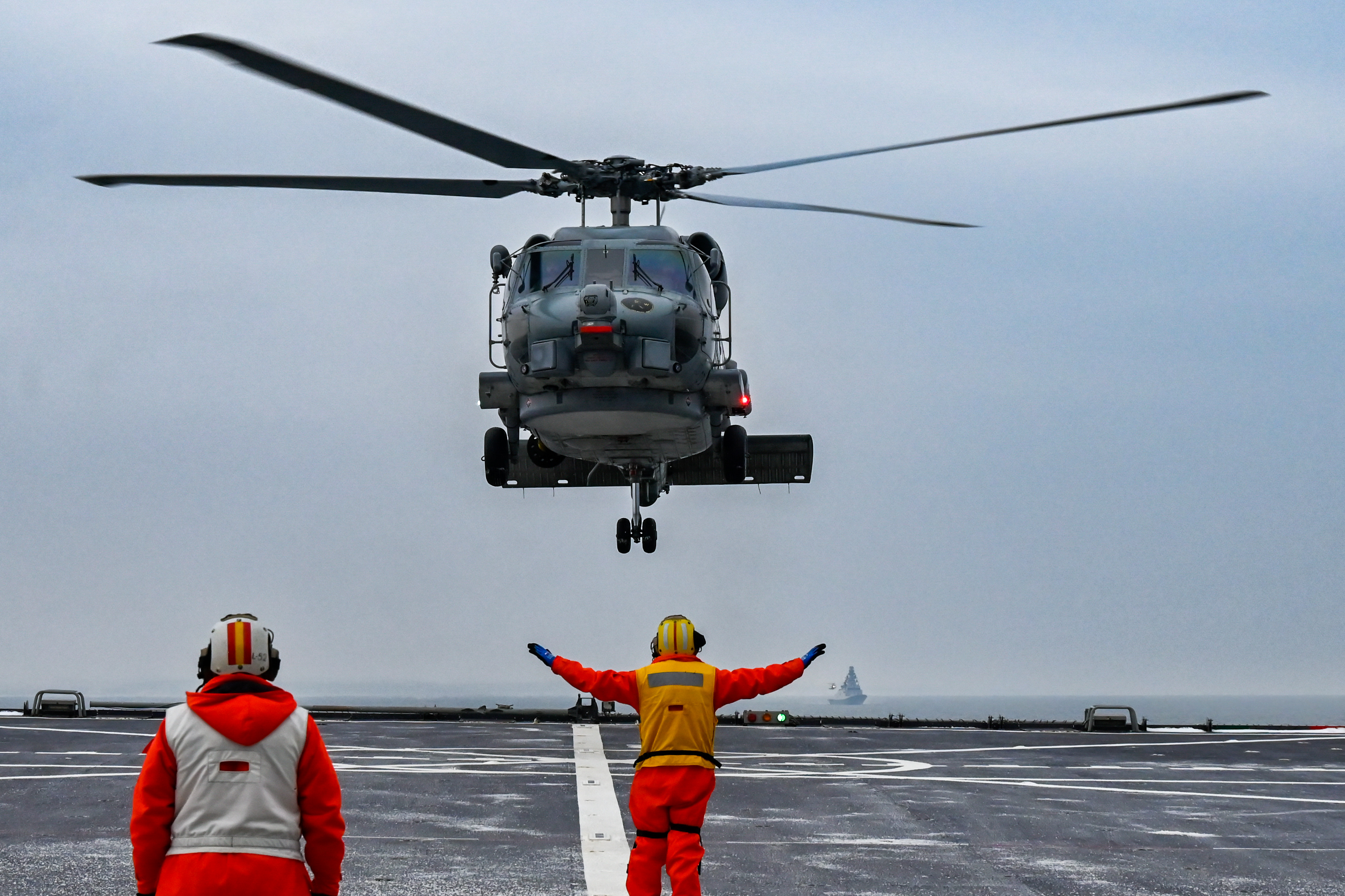
The Spanish Maritime Forces Headquarters (SPMARFOR), aboard the landing ship ‘Castilla’, has concluded its deployment as the commander of the Maritime Component Command (MCC) of NATO’s Allied Response Force (ARF). After more than six weeks of operational activity in Northern Europe, the naval units that participated in Exercise ‘Steadfast Dart 26’, NATO’s most important annual exercise, are now back on national territory.
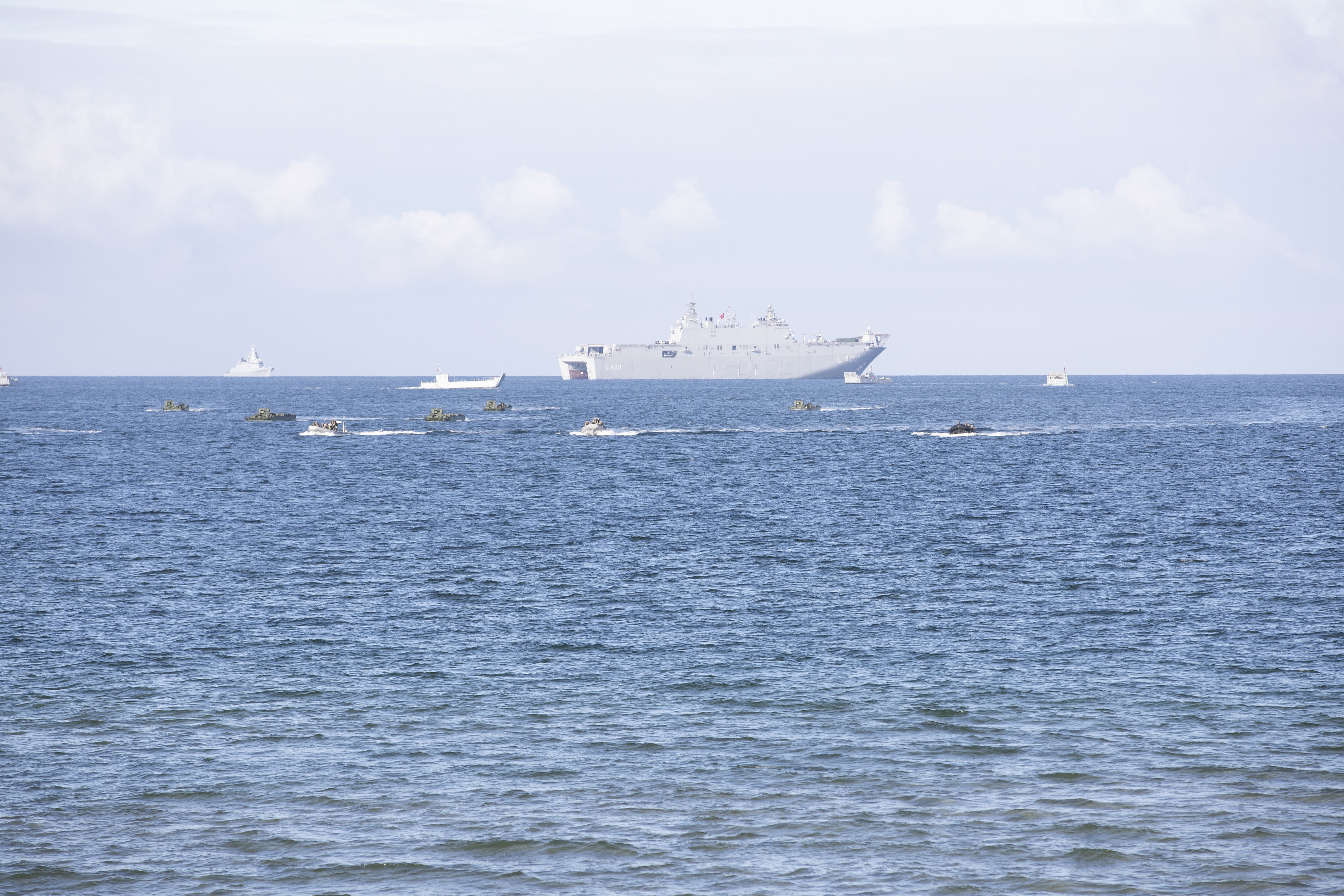
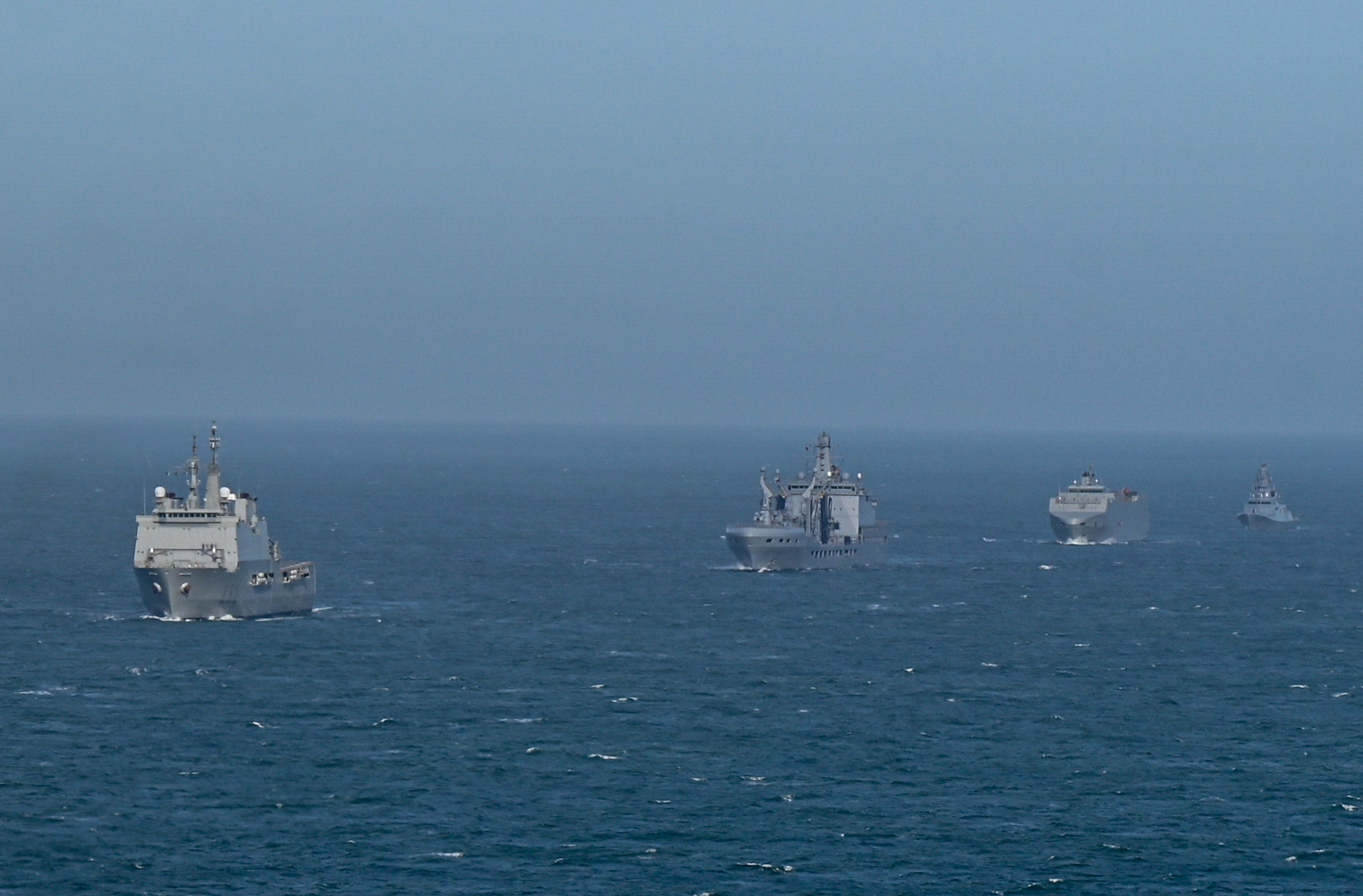
The deployment began on January 30, when the command ship *Castilla* set sail from the Rota naval base, along with the frigate *Cristóbal Colón* and the Turkish amphibious force. Joining the ships that departed from Rota were the frigate ‘Almirante Juan de Borbón’, the French frigate ‘Commandant Blaison’, and the German frigates ‘Brandemburg’ and ‘Schasen’, currently assigned to NATO’s Standing Naval Task Group 1 (SNMG1). In addition, the ships of NATO’s Standing Mine Countermeasures Group 1 (SNMCMG1)—the Polish ORP ‘Czernicki’, the German FSG ‘Fulda’, and the Dutch HMNLS ‘Schiedam’—were also integrated.
15 ships from 6 allied countries—Spain, Turkey, Poland, France, Germany, and the Netherlands—took part in the MCC. 2,500 sailors from 11 allied countries participated in the maritime component of “Steadfast Dart 26,” demonstrating allied cohesion and the ability to operate jointly.
NATO’s most important annual exercise has demonstrated the Alliance’s ability to rapidly deploy its reaction forces in a multi-domain environment. Furthermore, this year, 2026, marked the first time this force has been deployed in the area of responsibility of Joint Force Command Brunssum (JFCB) in the North Sea, the Baltic Sea, and on German and Danish territory.
Participation in other exercises following “Steadfast Dart 26”
Following the conclusion of “Steadfast Dart 26,” the MCC participated in the “Northern Quadriga 26” exercise, which took place primarily in the North Sea. This exercise, organized by Germany as the host nation, focused on maritime security, freedom of navigation, the protection of communication lines and critical infrastructure, as well as the ability to control the maritime domain.
Subsequently, the BAA ‘Castilla’ participated in the NATO exercise ‘Dynamic Guard 26,’ alongside NATO’s Standing Naval Group 1. This exercise, conducted off the coast of Norway, focuses on high-intensity combat and is designed to train participating units in missile defense and electronic warfare.
During the six-week deployment, the naval units conducted operations in the North Atlantic, the North Sea, and the western Baltic Sea, carrying out a wide range of activities aimed at strengthening maritime security and the force’s operational readiness.
During the six-week deployment, the naval units conducted operations in the North Atlantic, the North Sea, and the western Baltic Sea, carrying out a wide range of activities aimed at strengthening maritime security and the force’s operational readiness.
Fotos