

Logistic Support, Key to Strategic Projection and Tactical Sustainment of the Allied Reaction Force
- During the Steadfast Dart 26 and Grand Quadriga 26 exercises, the Spanish Land Force National Support Element provided all the required capabilities to enable operations
The participation of units from the Paratroopers Brigade Almogávares VI (BRIPAC) in the exercises Steadfast Dart 26 and Grand Quadriga 26 has reinforced Spain’s strategic deployment capability. In this operational milestone, the National Support Element (NSE) — based on the VI Paratroopers Logistics Group — deployed its full potential to sustain the capabilities of the Spanish contingent assigned to the Allied Reaction Force (ARF) 25 during its deployment.
In this context, the NSE, which remained under national authority and was not transferred to NATO command, was responsible for providing National Support to units under Allied command, as well as command support to Spanish forces. Beyond the tactical aspect, the participation of the BRIPAC, both in the NATO exercise and in the manoeuvres led by the German Armed Forces, was essentially an exercise in strategic and operational logistics, which included deploying forces, sustaining them and redeploying them effectively. The aim was to demonstrate the Brigade's ability to operate effectively in a challenging multinational environment and to contribute to deterrence.
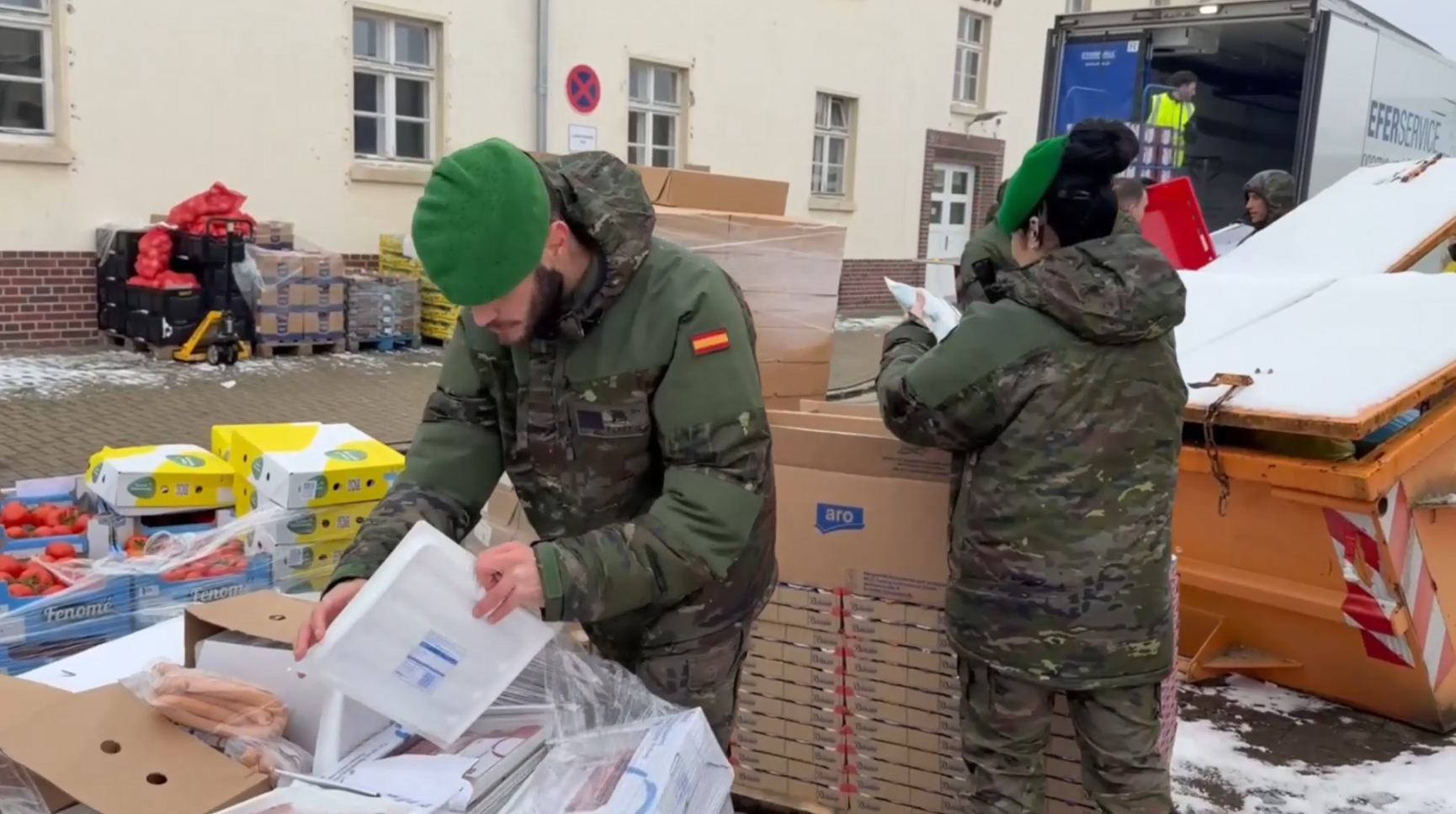
Throughout the entire process, deployment, integration, operational execution, national phase and redeployment, the NSE acted as the integrating element for National Support. Under its direction, strategic transport, supply, maintenance, medical support, infrastructure and multinational liaison capabilities were coordinated, enabling Spanish units transferred to NATO command to operate autonomously, safely, and effectively.
According to the Commander of the NSE, Lieutenant Colonel Javier Vicente Escrig Aparicio, “logistic success was not the result of improvisation or the isolated effort of a single unit. It was the outcome of the outstanding work, professionalism and spirit of service of every member of the NSE, who assumed each task with full responsibility.”
Undoubtedly, this sustained commitment was decisive to Spain’s success in these exercises. “The intense and perfectly synchronised coordination with the Operations Command (MOPS), the Spanish Army Operations Monitoring Centre (CESET), the Logistics Support Centre for Operations (CALOG-OP) and the Projection Support Group (GAPRO) ensured that every phase — from strategic deployment to redeployment — was executed with precision, coherence and unity of purpose,” Lieutenant Colonel Escrig emphasised.
The Key Role of the National Support Element
The NSE comprehensively led the entire strategic process of projection, deployment and sustainment of the Spanish contingent. To this end, the logistic team successfully conducted the organised reception, concentration of forces, onward movement to staging areas and progressive integration. This process enabled the Spanish contingent to reach full operational capability prior to the start of the exercises.
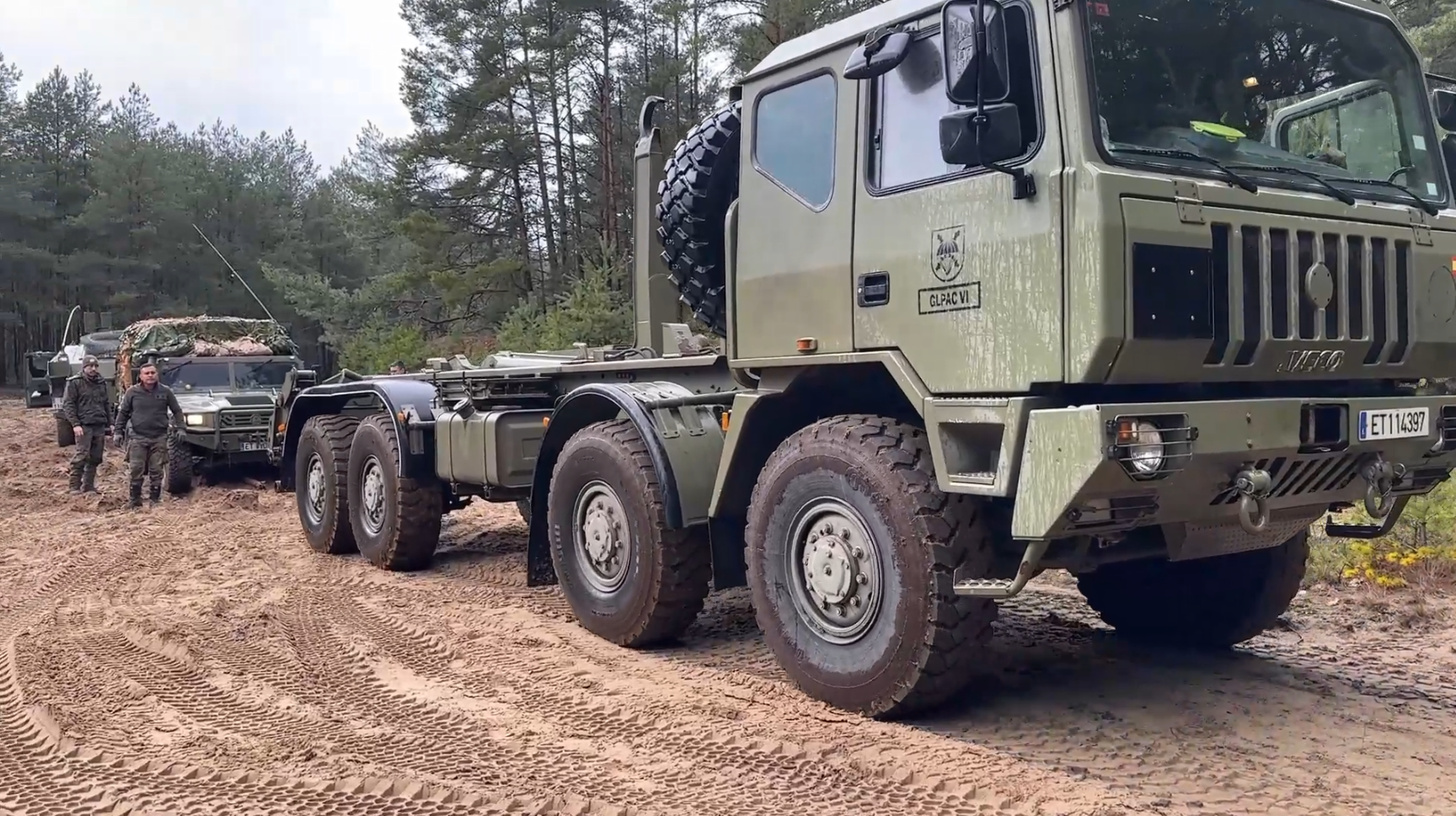
Once integration was completed, logistic effort focused on ensuring continuous sustainment of the contingent. In particular, during Grand Quadriga 26, the sustainment of Task Group Lauria required “dynamic and flexible logistics, including the establishment of forward logistic points and the organisation of convoys under strict security and timeliness criteria,” as stated by its Commander, Lieutenant Colonel Santiago Jiménez Molina.
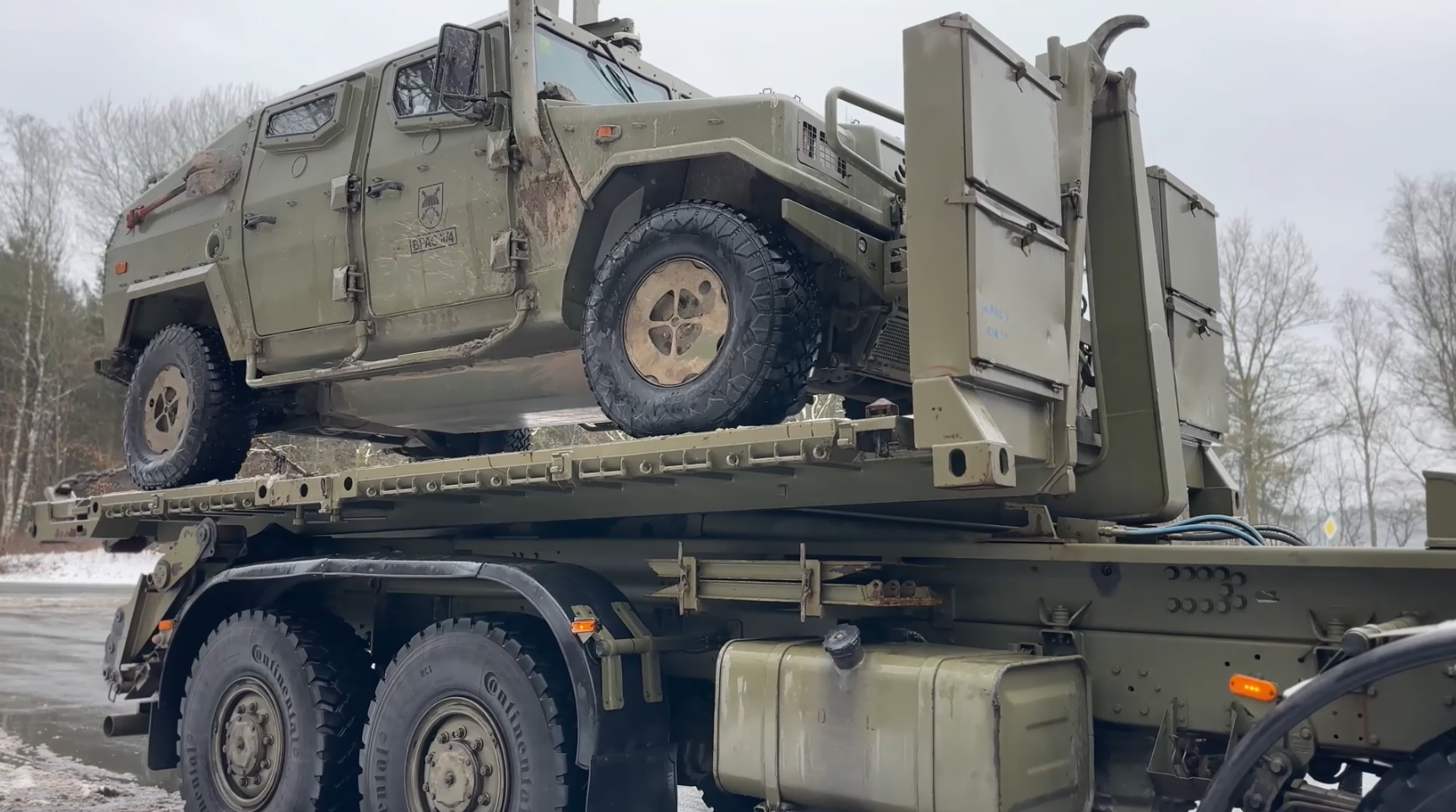
Finally, during the National Phase, which combines training in forest and urban environments, the tactical scenario required the reorganisation of the contingent and detailed preparation for strategic redeployment. As planned, from 6 March onwards, personnel will return to Spain in a phased manner via military and civilian flights. Simultaneously, heavy equipment and vehicles will be redeployed by sea aboard the vessel Ysabel.
This reverse RSOM I (Reception, Staging, Onward Movement and Integration) process ensures the orderly concentration of personnel and materiel, their technical and documentary preparation, and their coordinated movement to national territory, a process that demonstrates operational credibility. As Lieutenant Colonel Escrig concludes, “what truly matters is not only participating in two major Allied exercises, but demonstrating that we are able to deploy, operate and redeploy.”
Fotos