

The Paratroopers Brigade completes the Grand Quadriga 26 exercise and begins the national training phase in Germany
- In this multinational training activity, Spanish troops were integrated into the NATO Allied Reaction Force (ARF) brigade
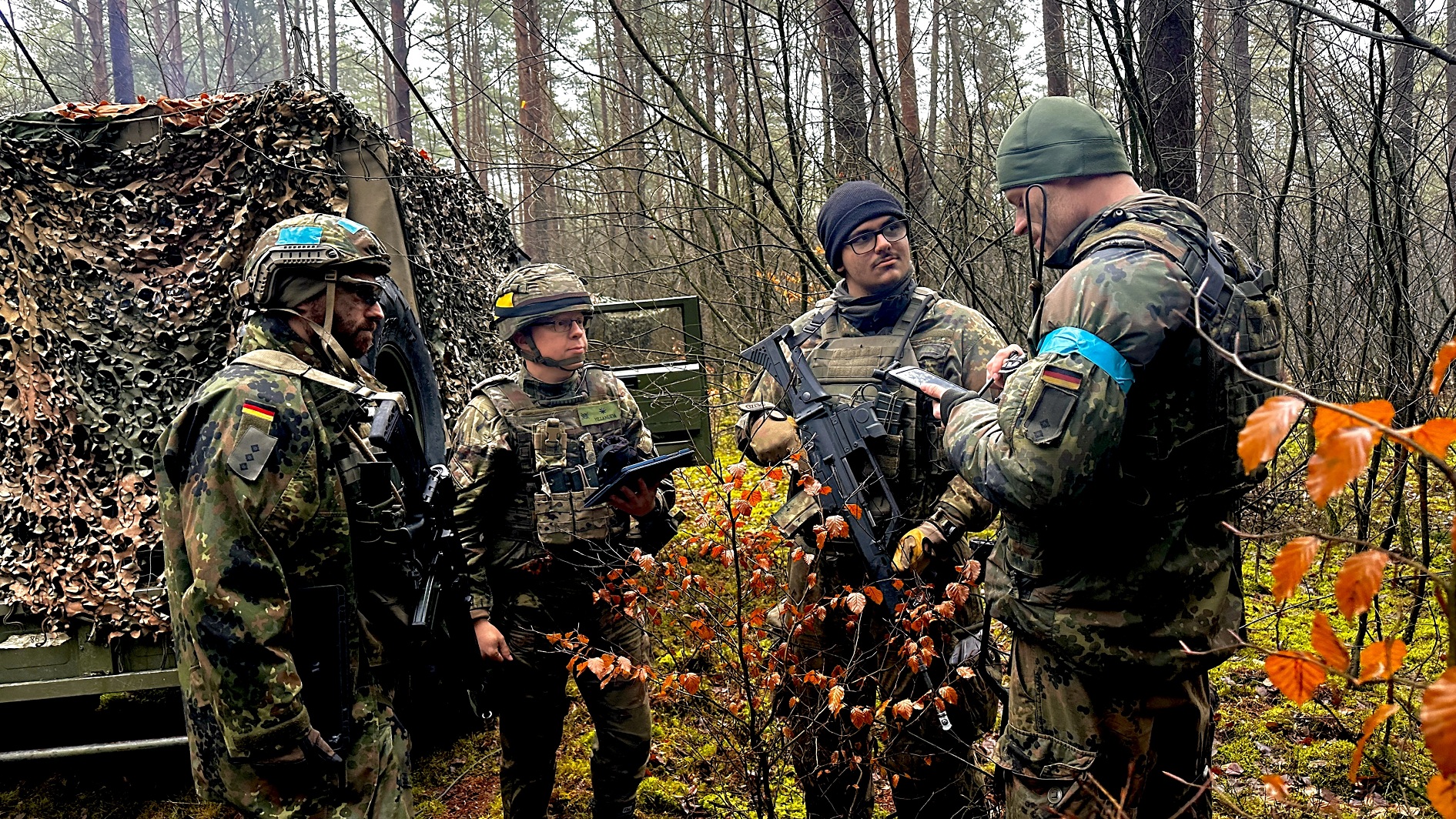
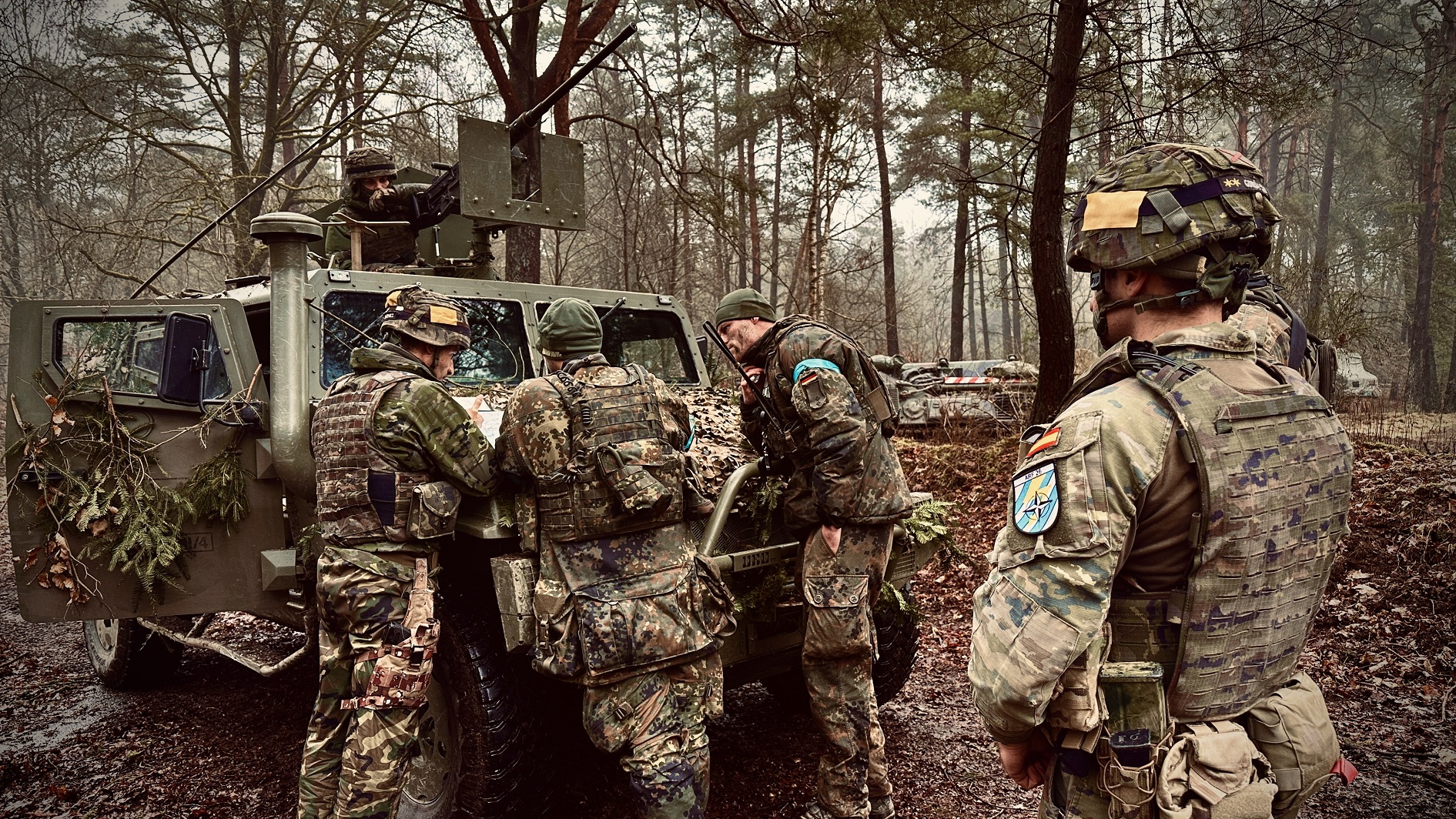
The Lauria Task Group (TG), formed around the 2nd Battalion of the Almogávares VI Paratroopers Brigade (BRIPAC) of the Spanish Army, has concluded its participation in exercise Grand Quadriga 26, conducted at the Bergen Training Area.
During this training exercise, Spanish paratroopers were integrated into the Land Component Command (LCC) of the Allied Reaction Force (ARF) Multinational Brigade. BRIPAC will remain in Germany to conduct a national training phase in German training areas.
Exercise Grand Quadriga 26, led by the German Army, consisted of an offensive operation carried out by the ARF Multinational Brigade, led by Italy. Within a purpose-built tactical scenario, an operational simulation was conducted and an Opposing Force (OPFOR) was generated to establish a credible and dynamic threat in accordance with NATO standards. This approach has enabled the unit to be exposed to realistic situations, including tactical incidents, logistical pressure and sustained combat operations.
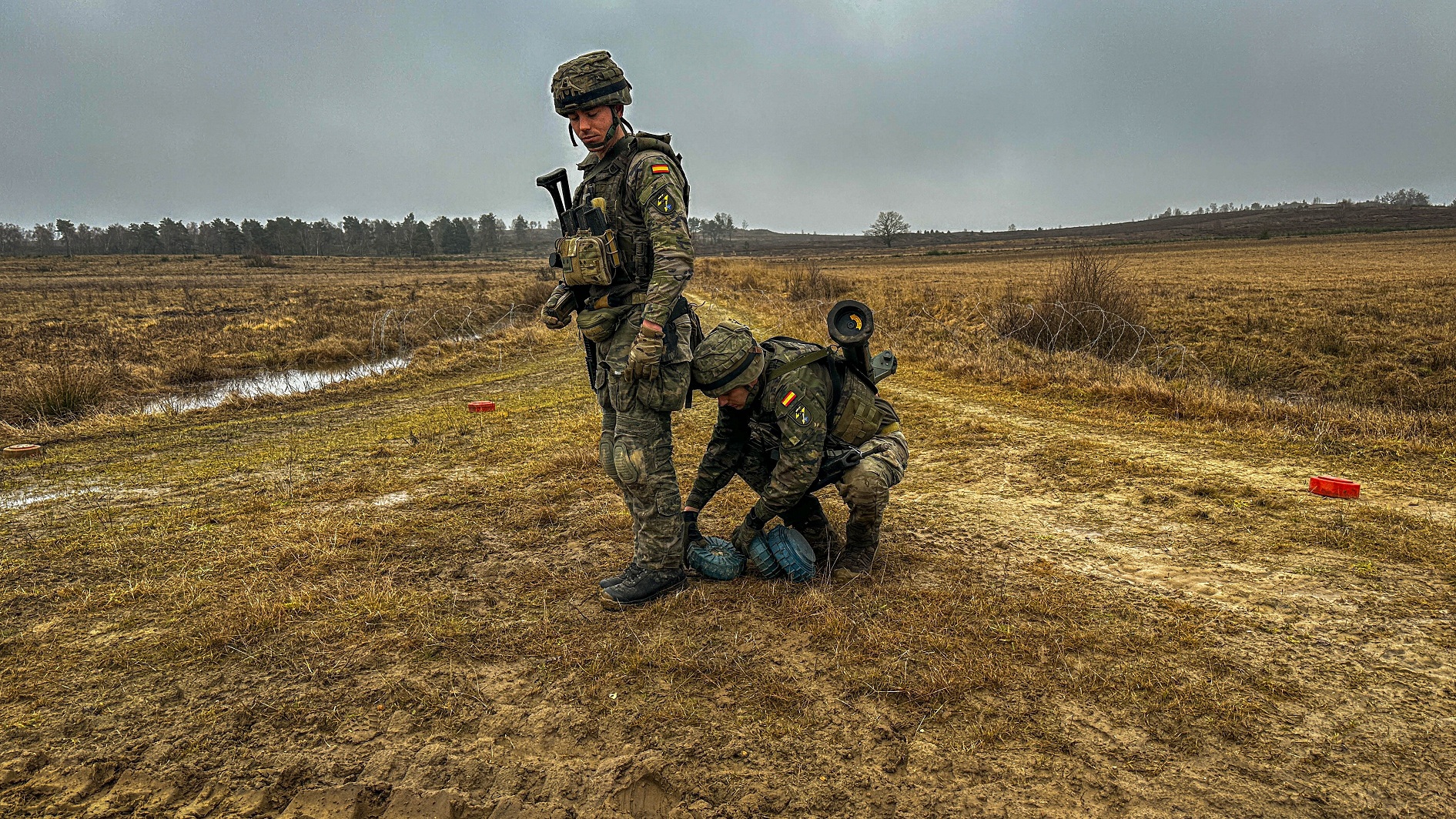
During the tactical action, paratroopers units secured key areas, facilitating the advance of German forces and maintaining contact with the enemy. In doing so, they ensured continuity of the offensive effort. Coordination between both units required a high degree of synchronization in fires, manoeuvre, and command and control links, consolidating interoperability with the German Army and other participating Allied nations.
The enemy threat was primarily based on the intensive use of Unmanned Aircraft Systems (UAS) for reconnaissance, target acquisition and harassment. Friendly forces likewise employed various UAS models to counter this threat. In response, the Spanish Task Group adopted the necessary measures to mitigate its effects, including dispersion of units, signature reduction, concealment and camouflage, variation of routes, and reinforcement of close air surveillance. All these combat procedures were integrated into the overall manoeuvre.
According to the commander of TG Lauria, Lieutenant Colonel Jiménez, “the growing importance of new technologies has been demonstrated, but also that of traditional techniques, tactics and procedures. In particular, camouflage, proper use of terrain, unity of doctrine and NATO interoperability.”
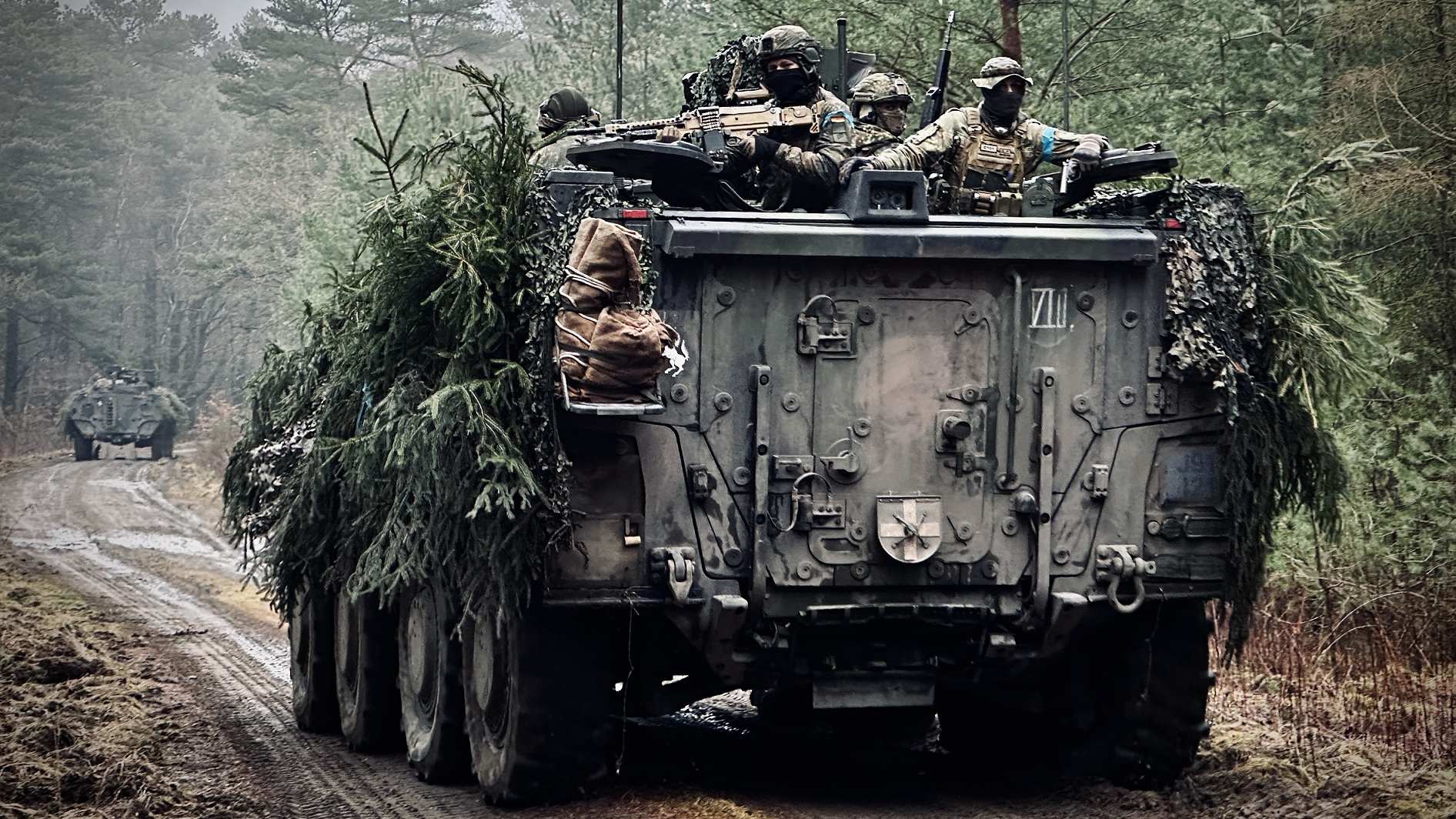
The exercise included day and night tactical movements, reconnaissance of axes of advance, control of key terrain, and flank protection. Mission command procedures, communications interoperability and logistic sustainment in a forward-deployed environment were also put into practice.
Participation in Grand Quadriga 26 has strengthened BRIPAC’s immediate response capability within the ARF as an Initial Entry Force. It has also demonstrated its interoperability with Allied forces, a key aspect in reinforcing Spain’s commitment to deterrence and security on the Alliance’s eastern flank.
Fotos