

The first 2026 Eagle Eye activation comes to an end in Rota and the Gulf of Cádiz
During this deployment, air, land and naval assets were integrated to conduct a range of air surveillance and air defence missions.
The first Eagle Eye 26 activation of the year concludes today after five days of operational activity at Rota Naval Base and along the coastline of the Gulf of Cádiz, where the main air defence actions were concentrated.
This activation, conducted within the framework of the Operations of Presence, Surveillance and Deterrence, was led by the Air Operational Command under the operational control of the Operations Command. Assets and units from the Air and Space Force, the Army and the Navy took part in the activation.
The objective of Eagle Eye 26-01 was to ensure joint integration within the national Air Defence System (ADS), contributing to the surveillance and defence of airspace of national interest. To this end, a range of defensive counter-air missions were conducted in response to incursions and movements by unidentified aircraft and unmanned aerial systems, further enhancing collective readiness.
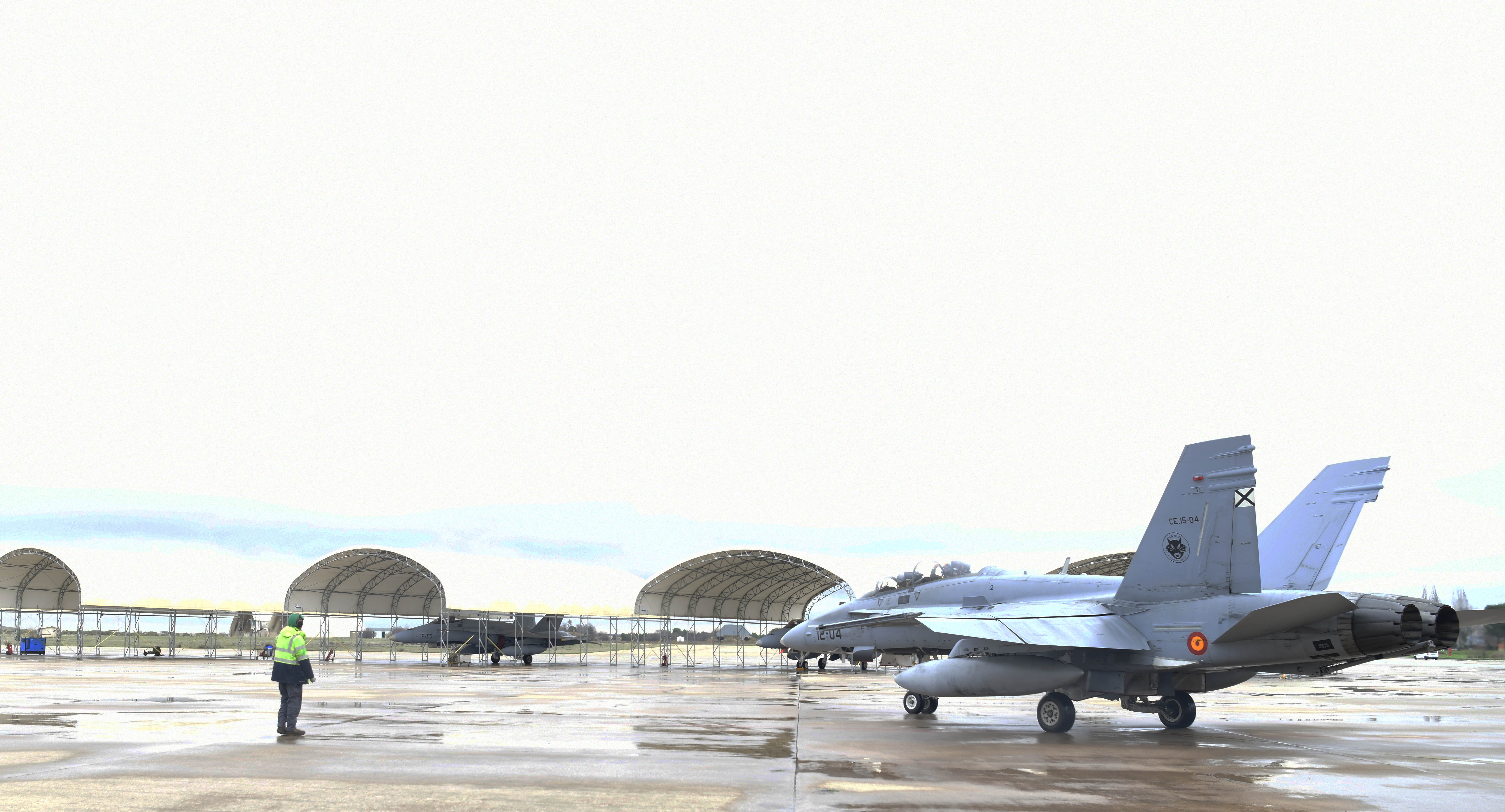
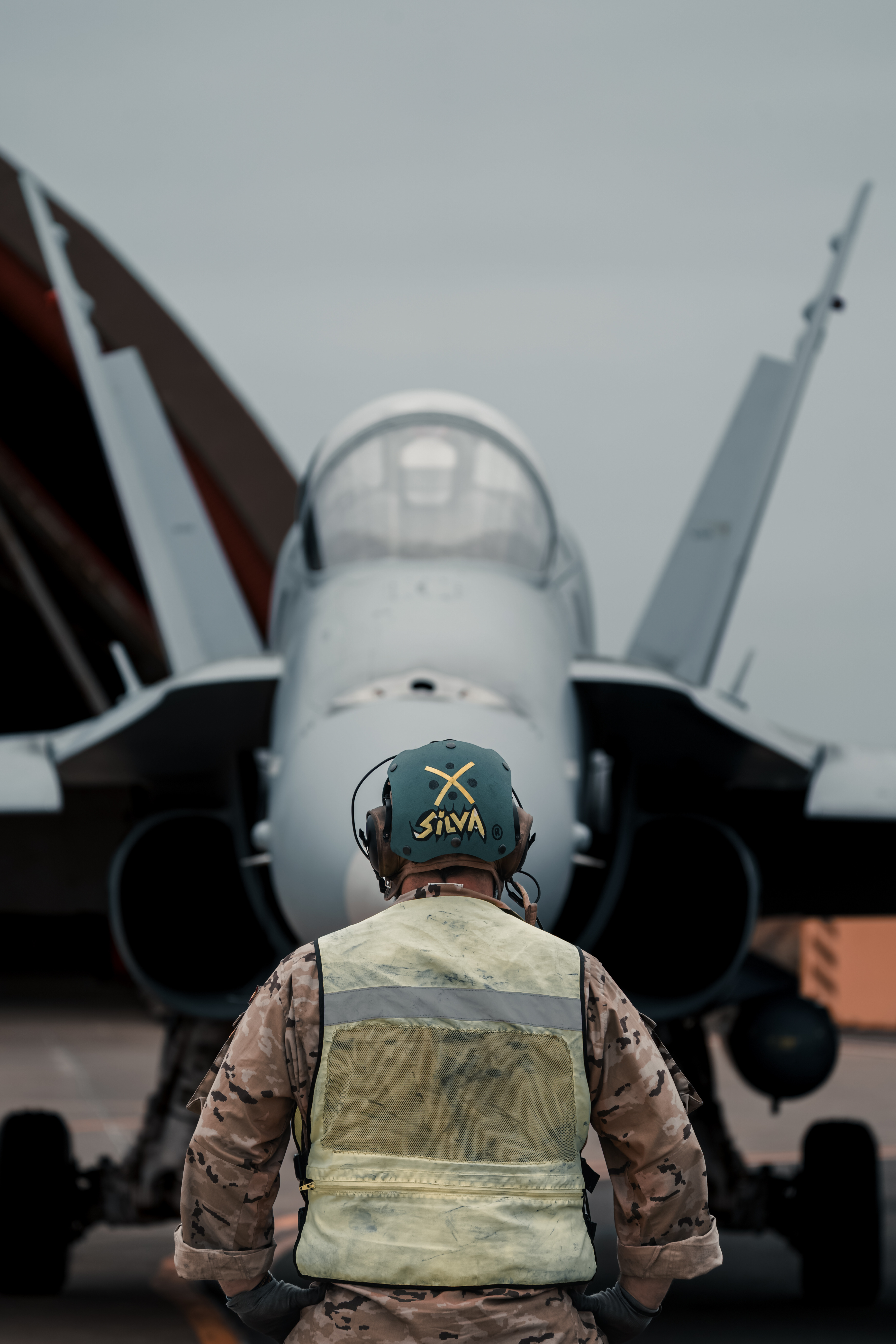
The Air and Space Force contributed to the exercise with six F-18 aircraft from Wing 12 operated from Torrejón Air Base on Quick Reaction Alert (QRA) missions. During the activation, the F-18s conducted air-to-air combat manoeuvres and interception missions, demonstrating their ability to quickly respond to potential threats. Escort missions and the protection of strategic assets were also carried out, highlighting the versatility and combat capability of these fighter aircraft in simulated combat scenarios.
In order to accomplish all assigned tasks, pilots remained on duty 24/7, ready to be airborne at the shortest notice. The contribution of maintenance and support personnel was essential to achieving this objective, ensuring aircraft availability within the required timelines. In total, more than 30 QRA missions were conducted, amounting to over 45 flight hours dedicated to air defence tasks.
From the Air Operations Centre, tactical command and control was exercised over air surveillance, air policing and air defence operations within national sovereign airspace. When required, this responsibility was delegated to control entities integrated within the Air Defence System, including alert and control squadrons, an F-100 frigate and an Air Defence Artillery Unit.
The Command and Control Centre Group (GRUCEMAC) has provided, thanks to Link connections, a comprehensive overview of the airspace situation, through the use of assigned resources, the identification of tracks and decision-making on tactical action. Among other actions, the radars belonging to the Air Surveillance and Control System were operated, this being made possible by the indispensable contribution of the Air Surveillance Squadrons and the Seville Operational Air Traffic Squadron.
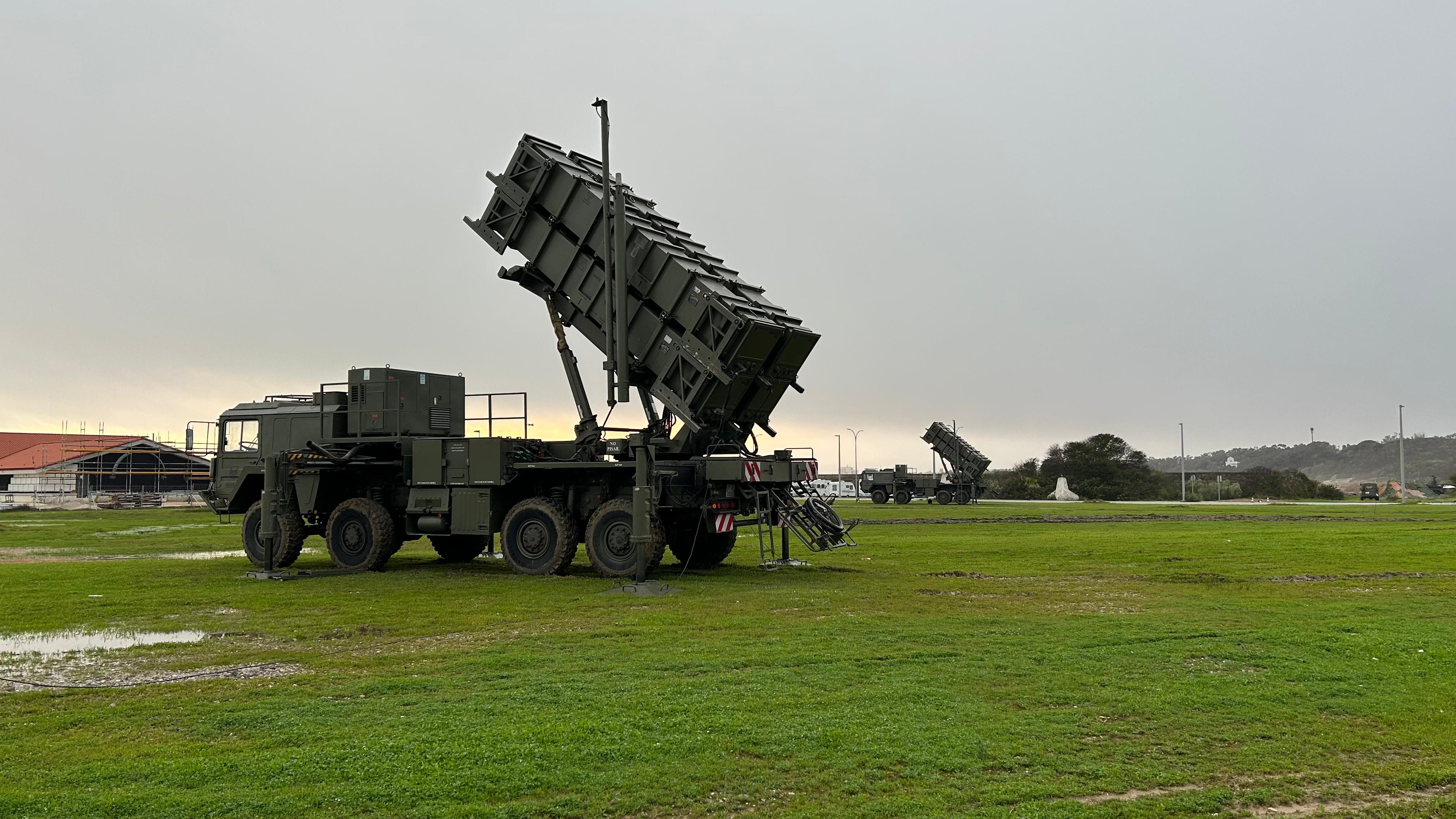
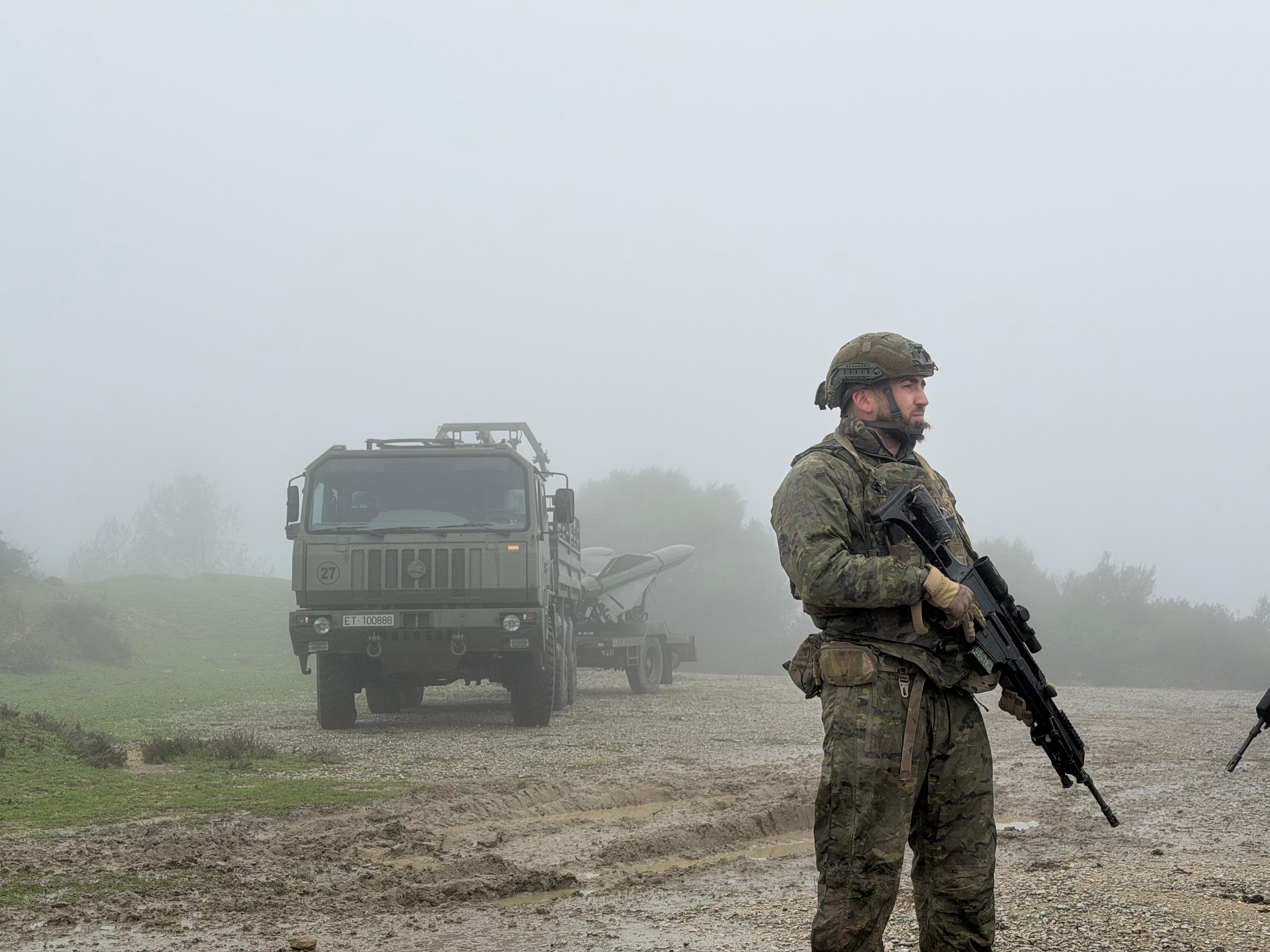
Regarding the Army, the Air Defence Artillery Unit Carthago, generated under the Army Air Defence Command, deployed its weapon systems in the vicinity of Rota Naval Air Base, including PATRIOT, HAWK and MISTRAL surface-to-air missiles, as well as 35/90 anti-aircraft guns.
Despite the adverse weather conditions during the deployment, all weapon systems operated continuously on a 24/7 basis and successfully fulfilled their missions. Technical challenges were overcome thanks to the efforts of the deployed personnel, who demonstrated a high level of technical proficiency and professionalism.
The Navy contributed with the frigate Méndez Núñez (F-104), which assisted in the surveillance and air defence of the national territory in the waters of the Gulf of Cádiz and the Strait of Gibraltar. In this area, the various equipment and systems on board—including the AEGIS Combat System and SPY-1D radar—not only enable early detection of airborne targets, but also allow for the response to any threats that may arise. This activation has also been very positive in terms of increasing the training of the crew and evaluating the integration of air, naval and land resources in highly complex scenarios.
Throughout Eagle Eye 26-01, the more than 1,800 service members involved demonstrated a high level of readiness to contribute on a permanent basis to the security and defence of national airspace. The activation has confirmed, once again, the high degree of synchronization and interoperability among air, land and maritime assets, enabling effective air defence and the development of multidomain synergies within the framework of permanent operations of presence, surveillance and deterrence in national territory.
Fotos