

The strategic deployment of the Spanish units participating in Steadfast Dart 26 comes to an end
- More than 10,000 service members from 13 Allied nations deploy their capabilities in Germany to demonstrate NATO’s readiness to quickly and decisively respond to any threat
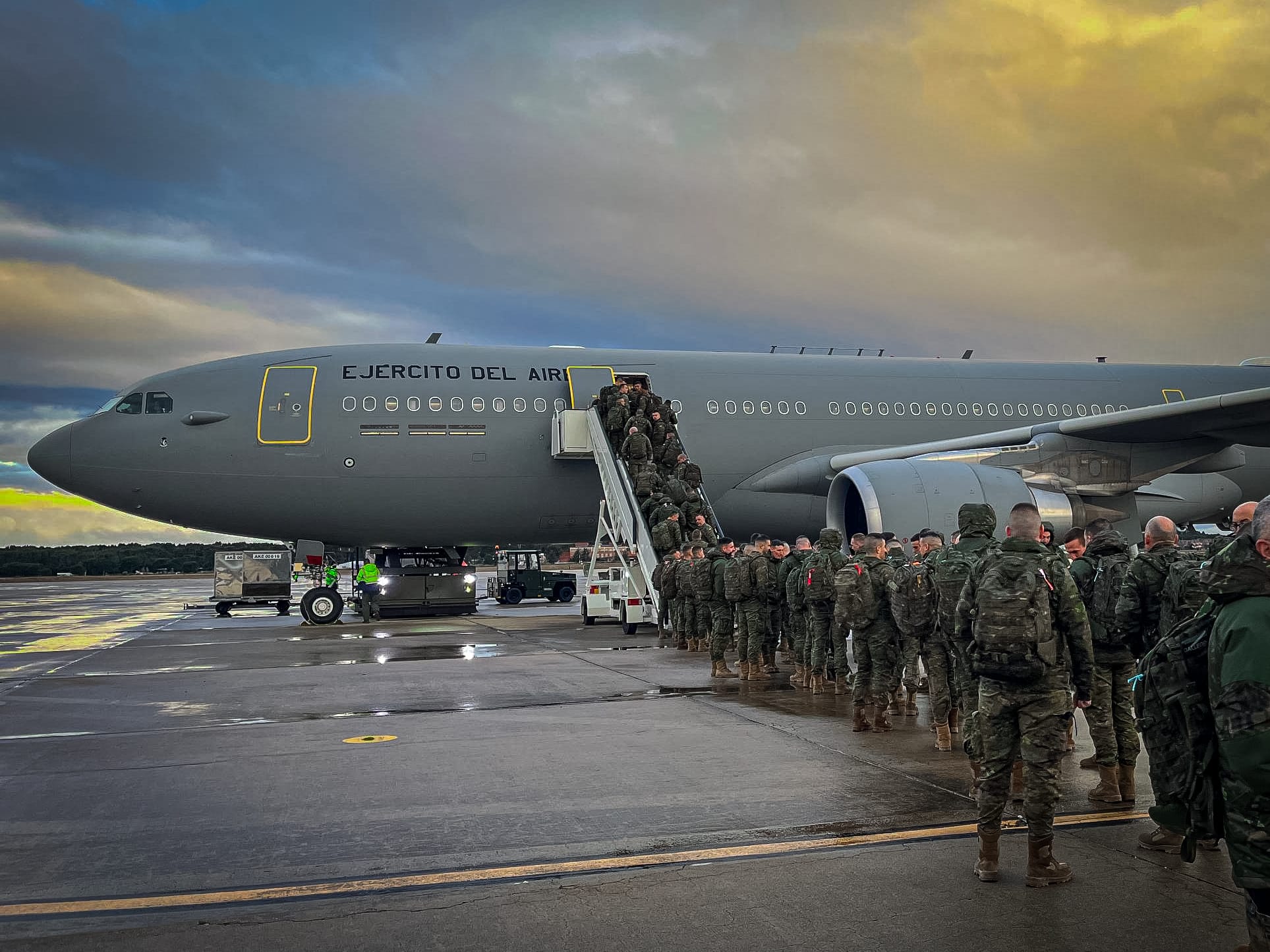
Around 1,500 military personnel from the Spanish Armed Forces, under the operational control of the Operations Command, have arrived in Germany to take part in Exercise Steadfast Dart 26, following several weeks of logistical deployment by land, sea, and air.
This is NATO’s largest annual multidomain training exercise. It involves the deployment of the Allied Reaction Force (ARF), under the leadership and coordination of the Joint Force Command Brunssum (JFCB).
The main objective of Steadfast Dart 26 is to demonstrate the ability to rapidly and convergently deploy ARF forces through its various component commands. In this edition, Spain is a major contributor, leading the Special Operations Component Command (SOCC) for the second consecutive year, as well as the Maritime Component Command (MCC).
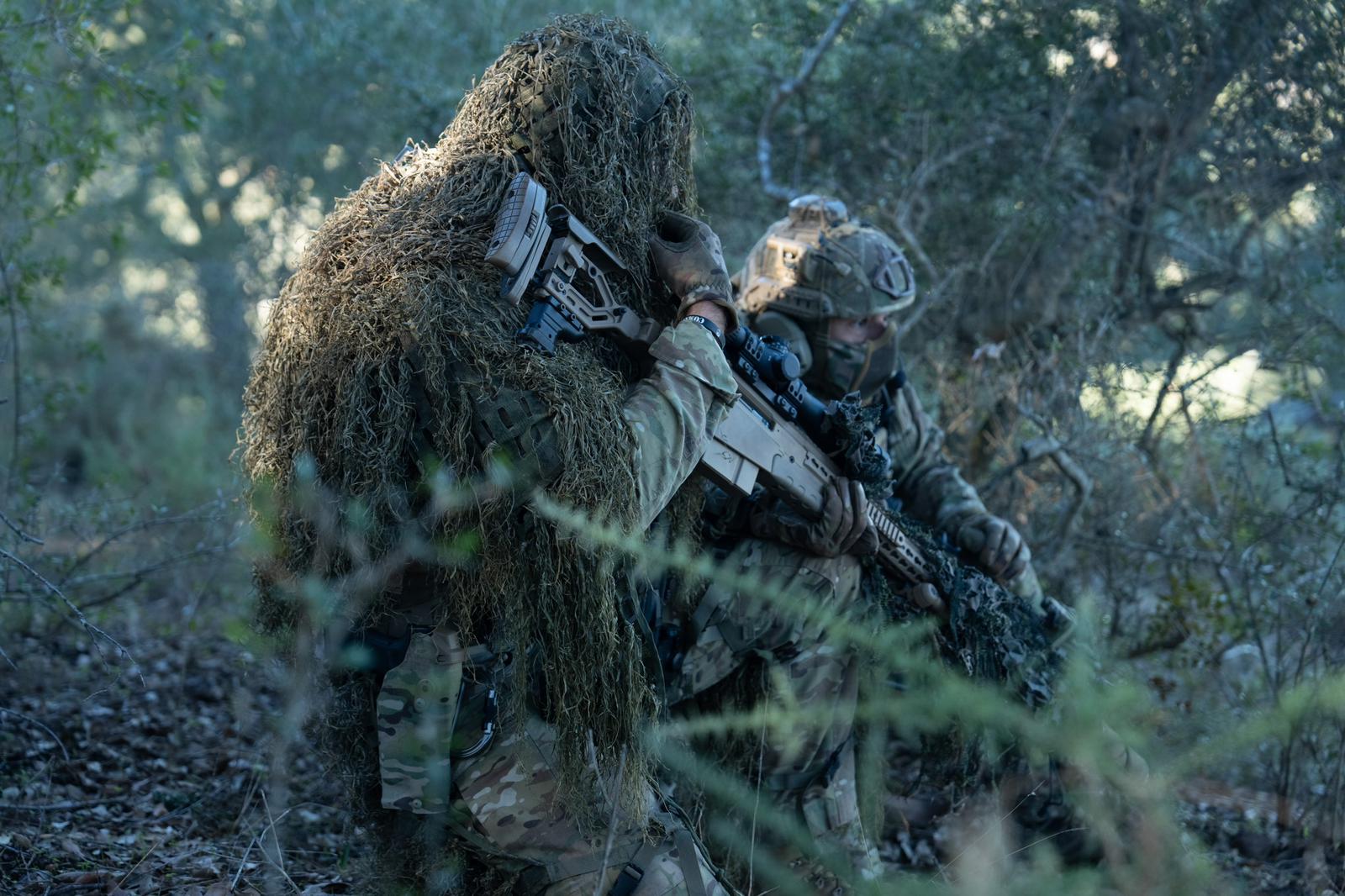
The SOCC, under the command of Major General Ángel Ramón Herrezuelo Pérez, includes Spanish special operations units from the Army, the Navy, and the Air and Space Force, along with supporting units.
During the exercise, the SOCC will integrate with other Component Commands to conduct joint training activities. These include military free-fall parachute insertions, special insertion and extraction procedures, live-fire direct action operations, Close Air Support (CAS) activities, support to amphibious operations, and opposed boarding operations.
Naval Effort
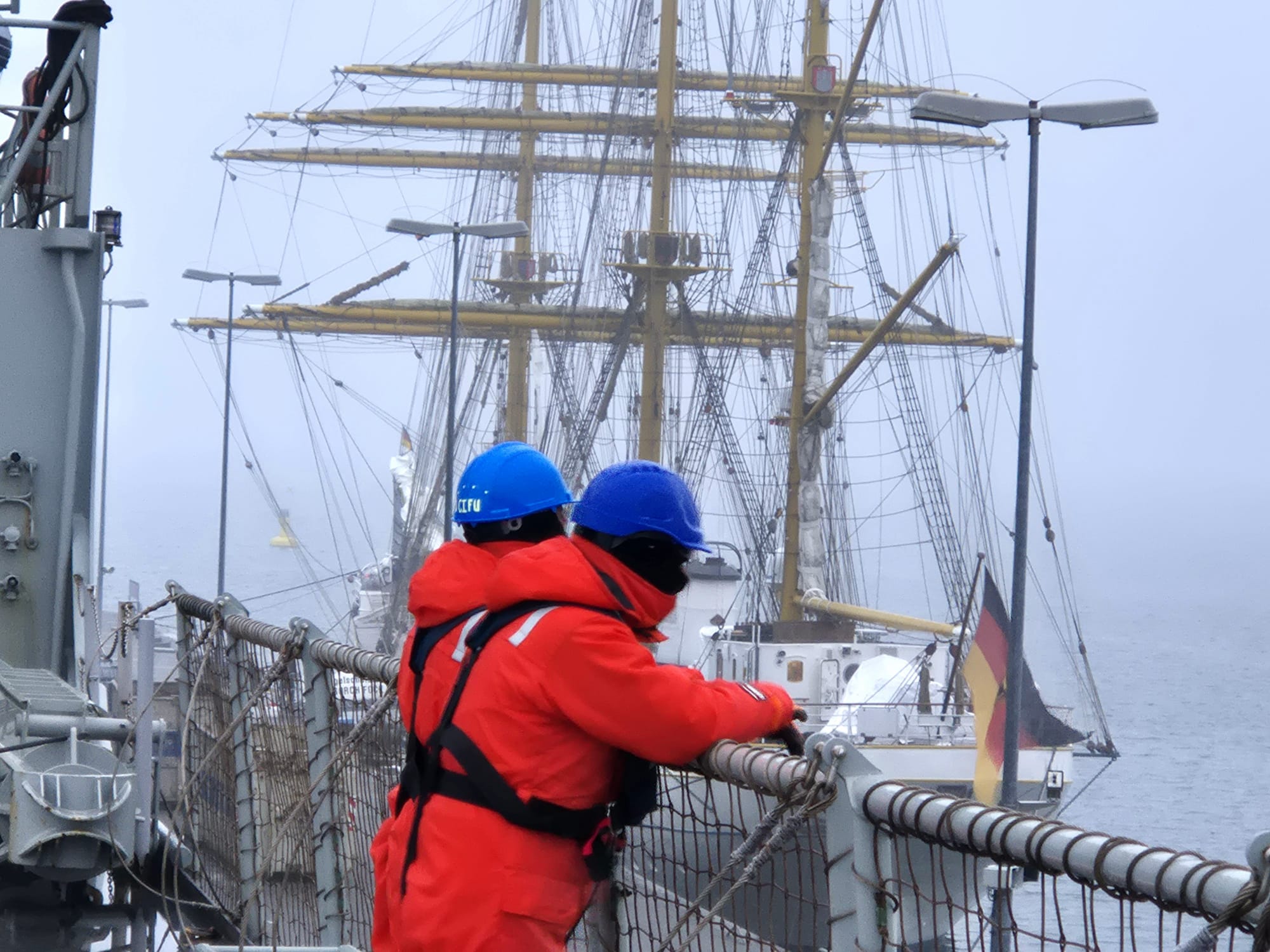
The Landing Platform Dock (LPD) Castilla hosts the Spanish Maritime Forces Headquarters (SPMARFOR), commanded by Vice Admiral Juan Bautista Pérez Puig. From July 2025 to July 2026, SPMARFOR serves as NATO ARF Maritime Component Command, with its headquarters assuming leadership of Allied naval forces, comprising 15 ships from six different nations (Spain, France, Türkiye, Germany, the Netherlands, and Poland).
Under the command of the Spanish Vice Admiral, the force includes two escort groups, one combat logistics support group, one amphibious operations group, and one mine countermeasures group. One of the escort groups is commanded by Navy Captain Jesús González-Cela Franco, Commander of the 31st Surface Squadron (COMANDES-31), embarked on board the Spanish frigate Cristóbal Colón.
In addition to the ships that departed from Rota on 30 January, following their arrival in Kiel on 11 February, the force will be reinforced by the frigate Almirante Juan de Borbón, the Combat Replenishment Ship (AOR) Patiño, the French frigate Commandant Blaison, and the German frigates Brandenburg and Sachsen, currently integrated into NATO Standing Naval Maritime Group One (SNMG1), commanded by Spanish Rear Admiral Joaquín Ruiz Escagedo. NATO Standing Naval Mine Countermeasures Group One (SNMCMG1) units will also integrate, including the Polish ORP Czernicki, the German FGS Fulda, and the Royal Netherlands Navy ship HNLMS Schiedam.
Land Effort
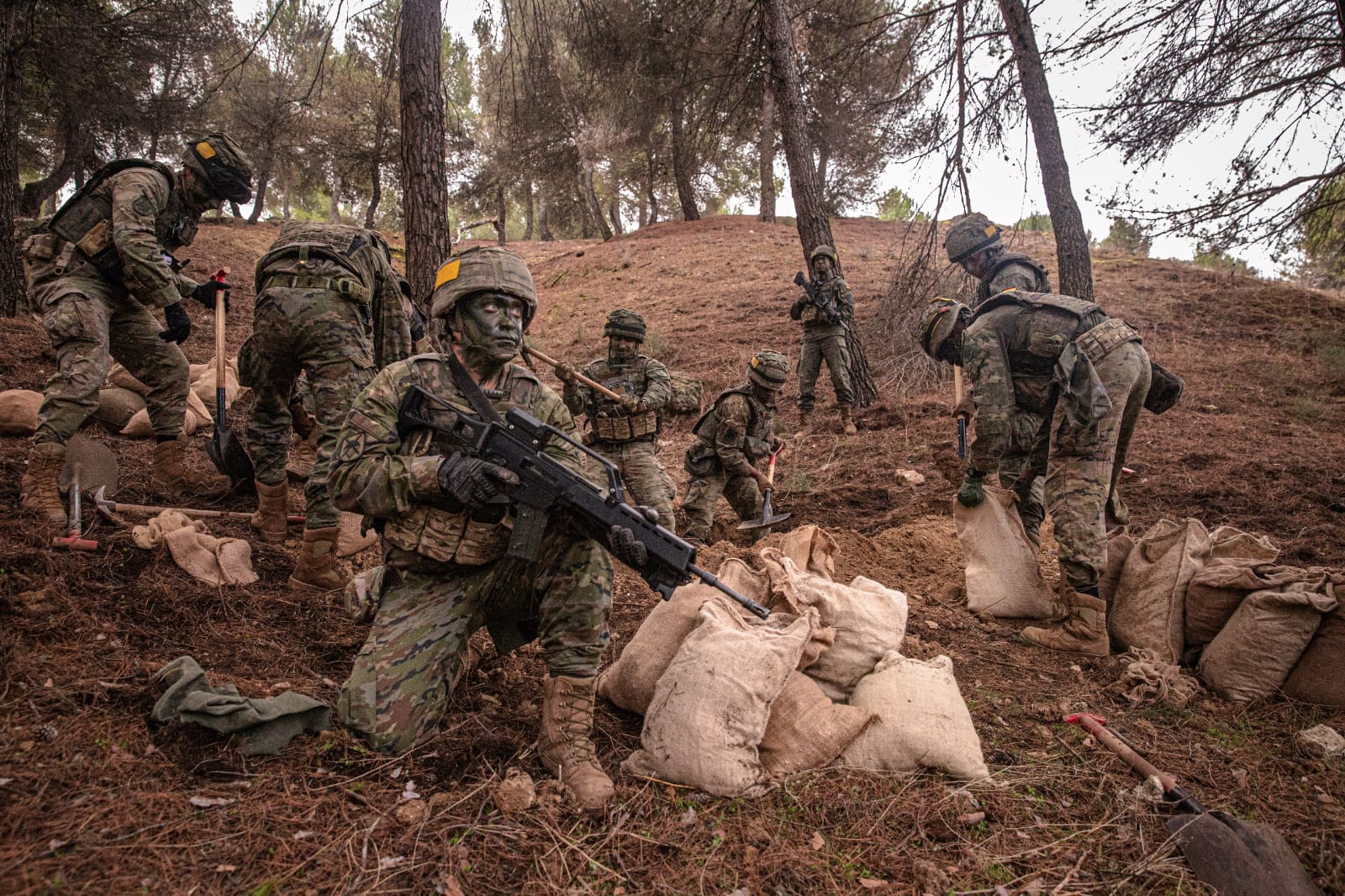
Regarding the Land Component Command (LCC), the Spanish Army’s Parachute Brigade contributes with a Task Group to the multinational brigade, which is led this year by Italy.
The VI Almogávares Parachute Brigade (BRIPAC) deploys a tactical group integrated into the multinational brigade based on Italy's Alpini Brigade Julia: an infantry flag, a field artillery battery, a sapper company, a Mistral battery capable of integrating into NATO's Integrated Air Defence System (NATINAMDS) and a Contingent Support Team logistics unit.
Two HT-29 (NH-90) helicopters from the Army Airmobile Forces (FAMET) are also participating. During the deployment phase, the Logistics Transport Ship Ysabel has been responsible for transporting the majority of the equipment and vehicles of the Spanish land forces to Germany.
Air and Cyberspace Effort
The Spanish Air and Space Force also deploys strategic air support assets, as well as the Space Surveillance Operations Centre (COVE), which provides space support products to all Allied Units.
Finally, the Cyberspace Operational Command has deployed a non-commissioned officer aboard the LPD Castilla. His primary tasks include technical monitoring of communication networks, both classified and unclassified, and the provision of on-site technical support on the naval platform, ensuring system integrity. In an operational environment shaped by the digital transformation of command and control systems, cyber defence has become an indispensable pillar of modern operations, requiring advanced security levels to ensure operational effectiveness and the resilience of deployed forces against any threat.
Fotos