

The high-intensity multinational exercise Orión-26 begins with the participation of the frigate Álvaro de Bazán
- The main objective of this exercise is to consolidate interoperability among Allied nations in a high-intensity operational scenario
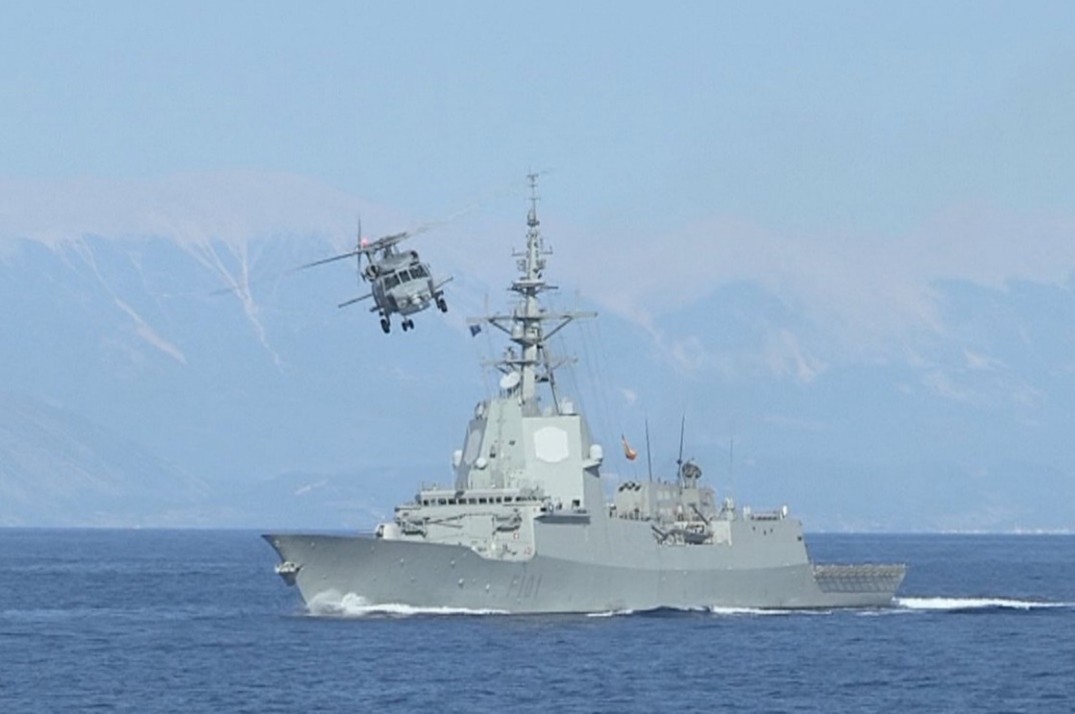
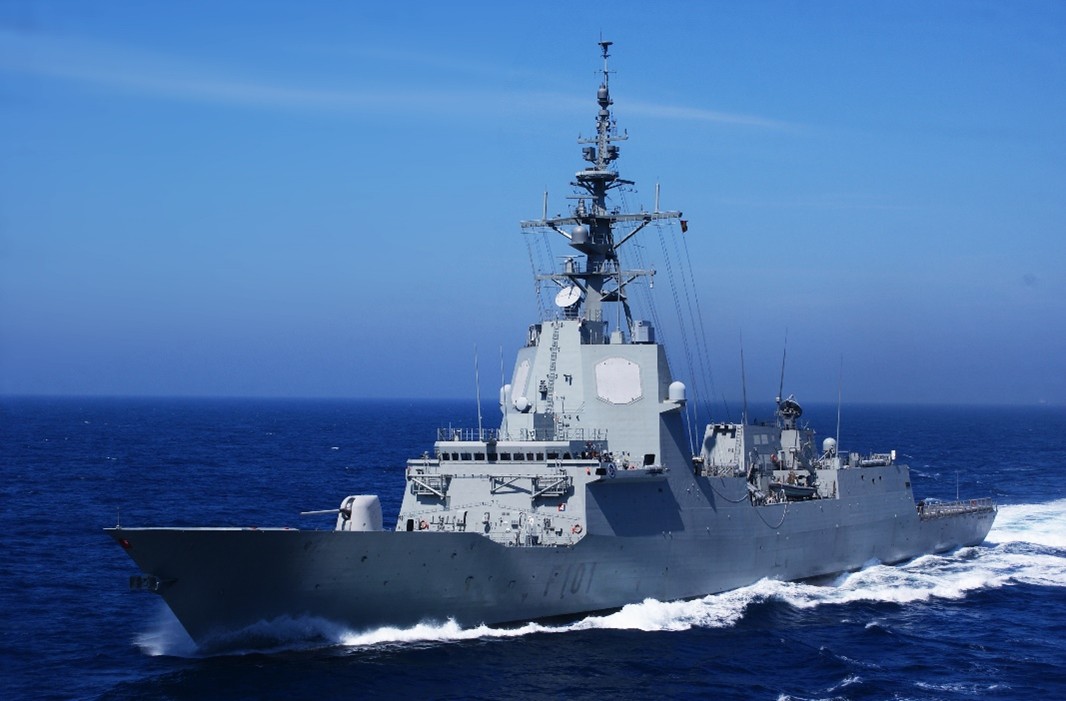
Over the coming days, the high-intensity multinational exercise “Orion-26” will take place. It will be led by the French Navy and will integrate capabilities from all combat domains. Spain is participating with the frigate F-101 Álvaro de Bazán, under the command of Commander Álvaro Zaragoza Ruiz.
The main objective of this joint activity is to prepare participating units to operate in modern, complex, multi-domain combat scenarios through the integration of air, land, sea, space, and cyber capabilities. In total, this operation will mobilise more than 10,000 military personnel, 25 ships, 140 aircraft and land units distributed across different regions of France, under the leadership of the French Joint Chiefs of Staff and in close coordination with NATO.
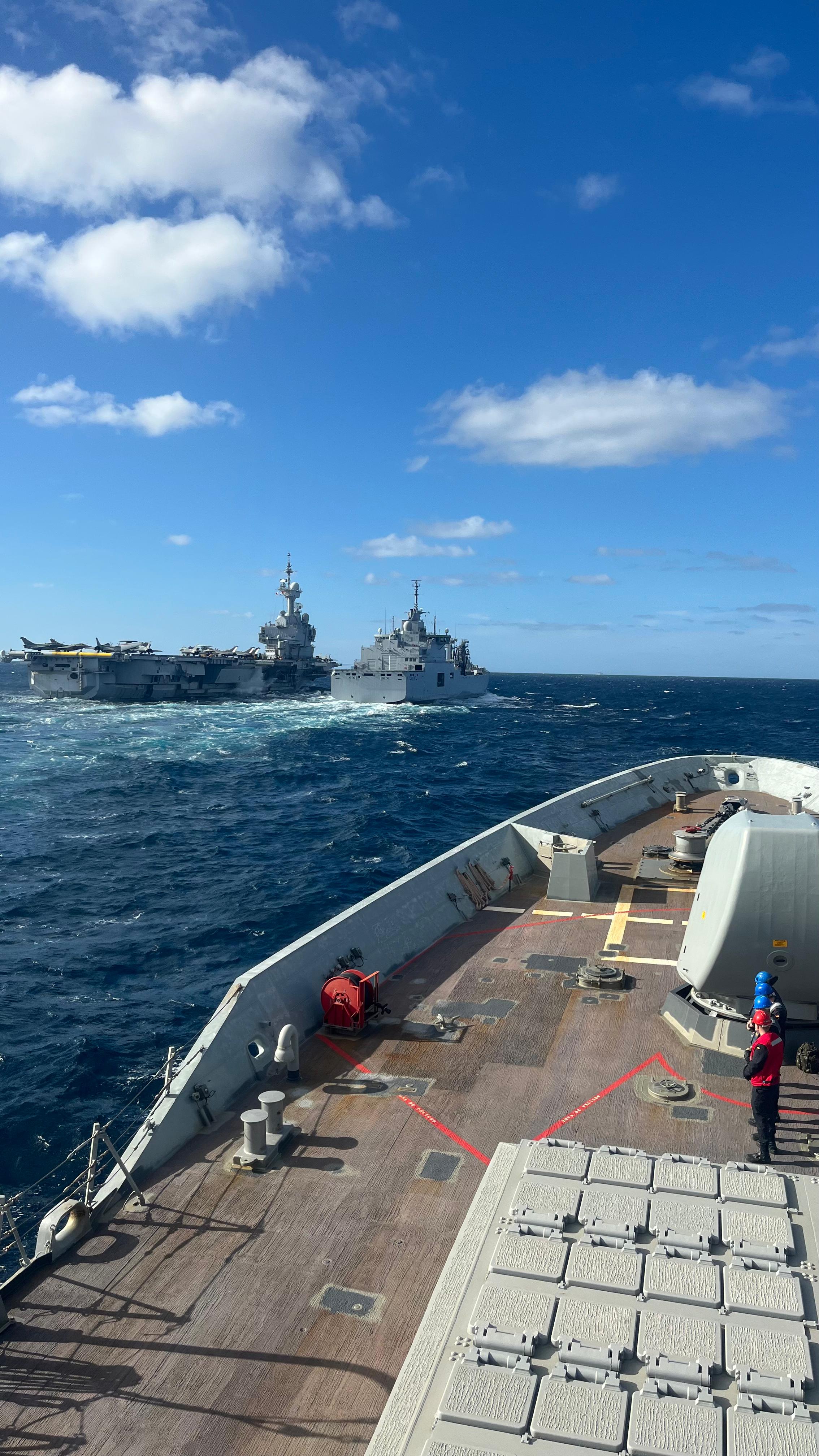
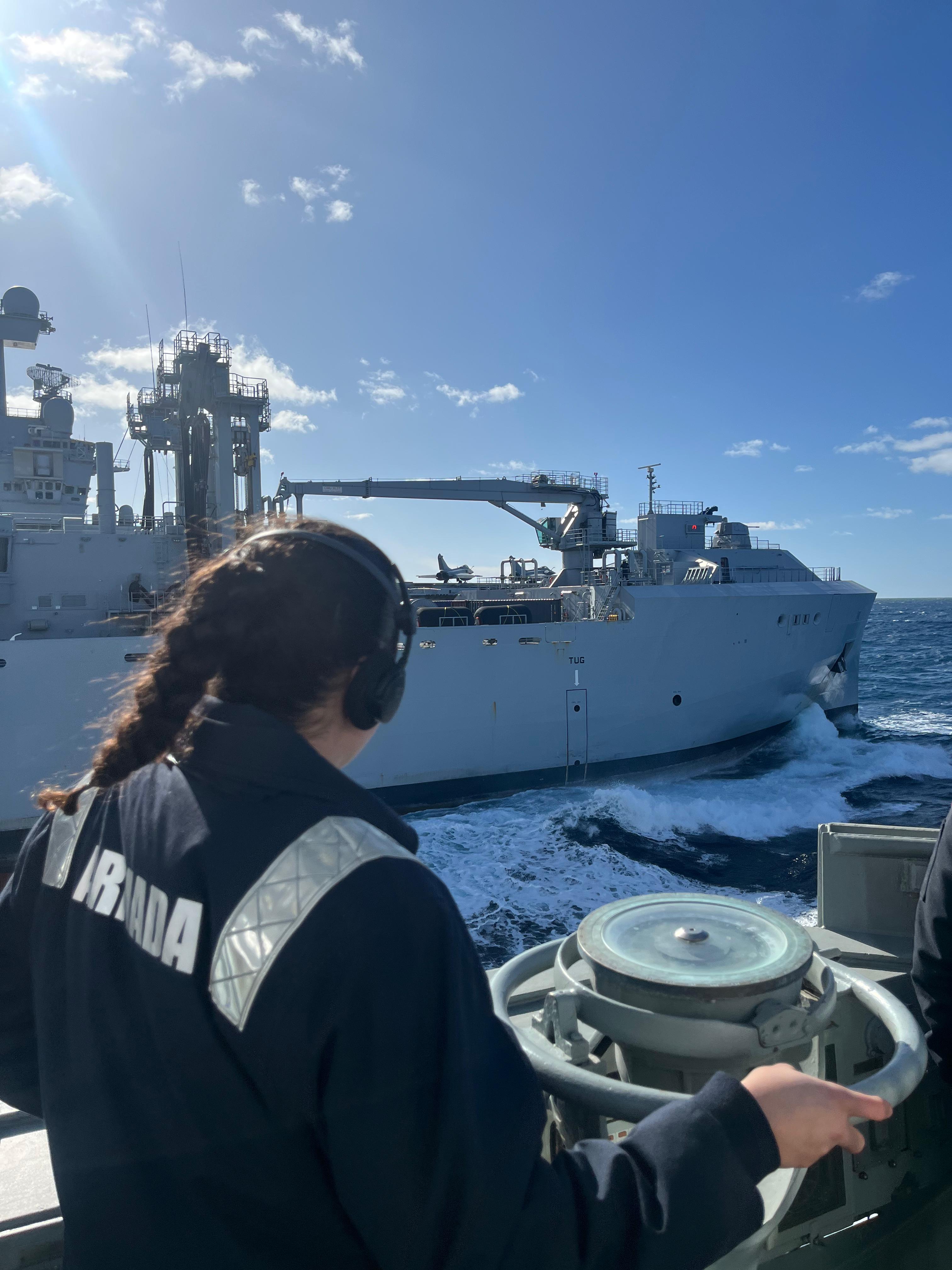
During the preliminary phase, the Naval Air Group, led by the aircraft carrier Charles de Gaulle, flagship of the French Navy, conducted air and maritime control exercises in the Mediterranean. This has made it possible to increase interoperability and cohesion among the participating forces before their full integration into the multinational force that will sail and operate in the Atlantic
Over the next few days, the exercise will move to the Bay of Biscay region. There, a joint multinational operation will be simulated, involving the full activation of the operational headquarters' capabilities, as well as those of the logistical and command and control bodies.
Furthermore, Orión 26 incorporates an interministerial dimension, as it brings together various civil and military agencies of the State in order to test a coordinated and multidimensional response to high-intensity crisis scenarios.
Spain is taking part with the deployment of the frigate Álvaro de Bazán, which has a crew of 205 and remarkable capabilities for surveillance and air defence in an area of over 500 km2. From the sea, Commander Zaragoza reports that participation in Orión 26 is ‘a challenge and an excellent opportunity to train his crew in current scenarios.’
He also highlights the ‘high level of realism that will be achieved in the simulations planned during this deployment, which will allow command and control to be exercised in crisis situations with a large number of resources and allied troops available.’ To achieve this, Commander Zaragoza finally stresses that it is essential to have a well-trained crew: ‘I am very proud, they are facing this complex and demanding scenario with great enthusiasm and commitment.’
The frigate F-101 Álvaro de Bazán, the first unit of the F-100 class and the namesake of the class, entered service in the early 2000s and has since established itself as one of the most advanced surface vessels in Europe in its category. It is specifically designed for air defence and is equipped with the AEGIS Combat System, which integrates sensors, radars and weapon systems capable of detecting, tracking and neutralising air and surface threats at long range.
The Álvaro de Bazán's advanced anti-aircraft capabilities reflect the high technological, industrial and operational level achieved by Spain in the field of security and defence, making it a key element in the protection of naval air groups such as the one it is currently part of, as well as in the defence of maritime areas of strategic interest.
Fotos