

The training exercise for the operational structure of the Armed Forces, JFX/MDO-25, has finished
- The LIVEX phase, which took place in El Retín, demonstrated the capabilities that 5G bubbles bring to operational activities
More than 500 military personnel from the three branches of the armed forces have been deployed to the El Retín training ground in Cádiz and the Retamares Base in Madrid to carry out the final phase of the JFX/MDO-25 exercise.
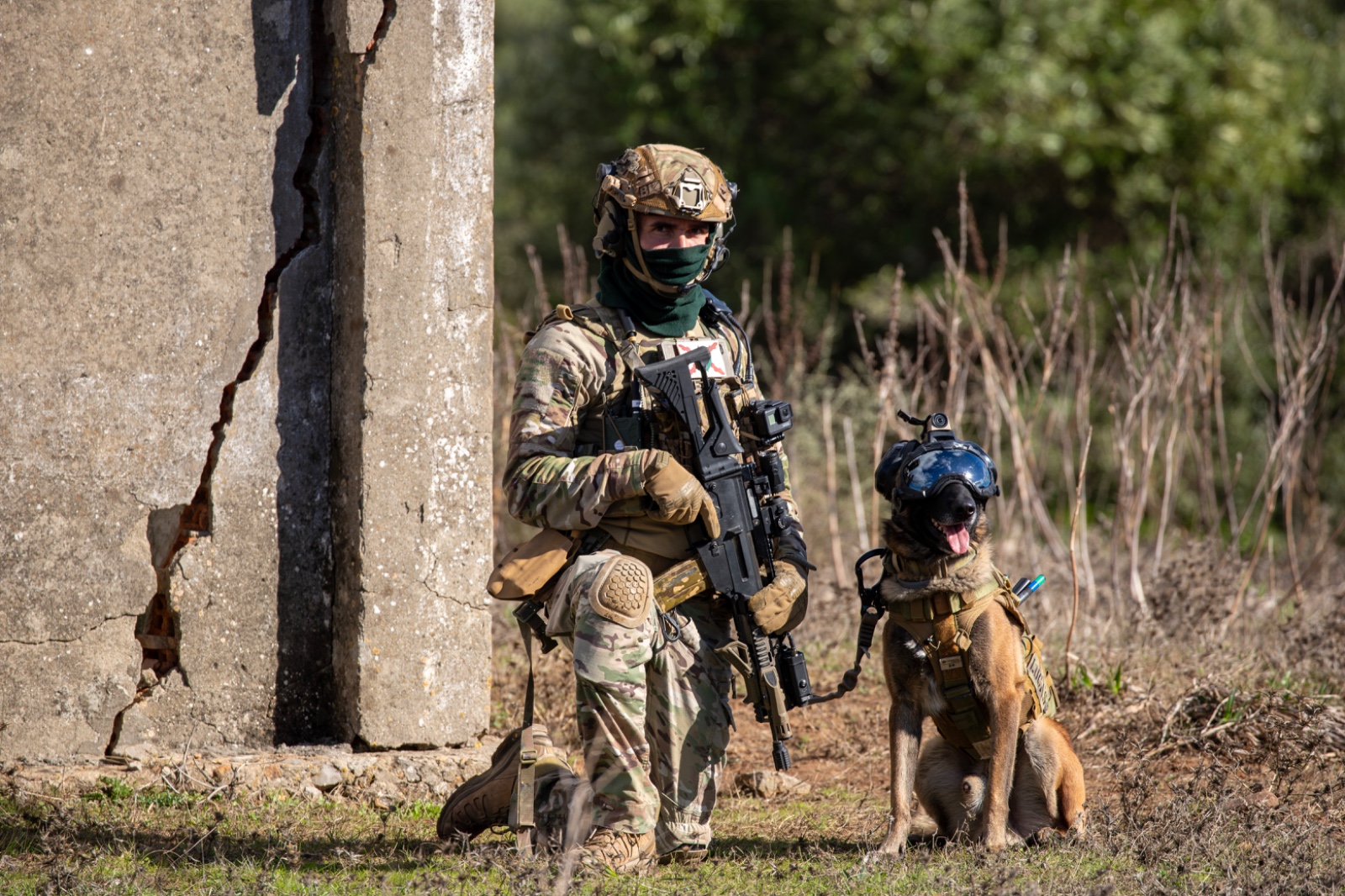
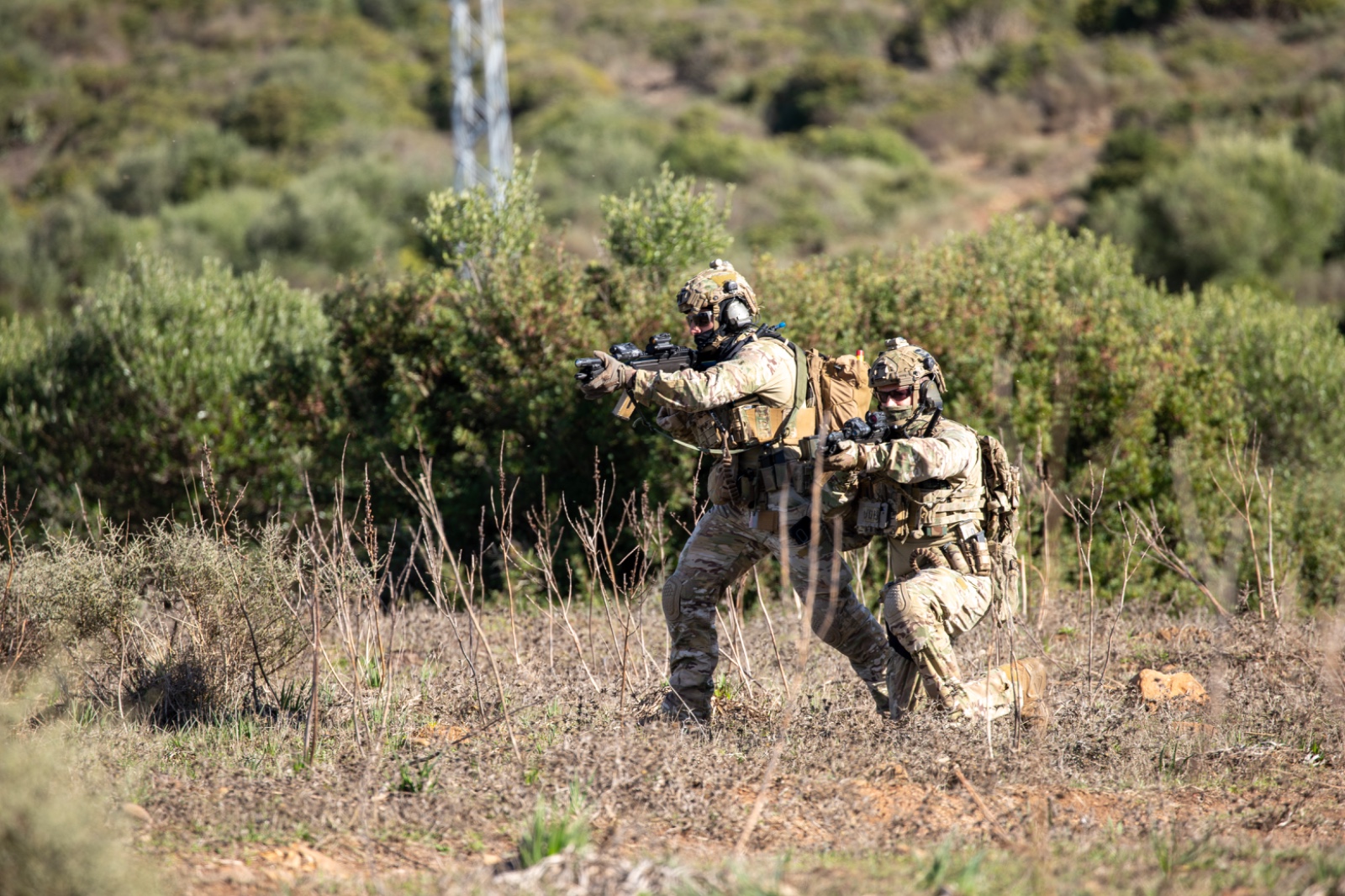
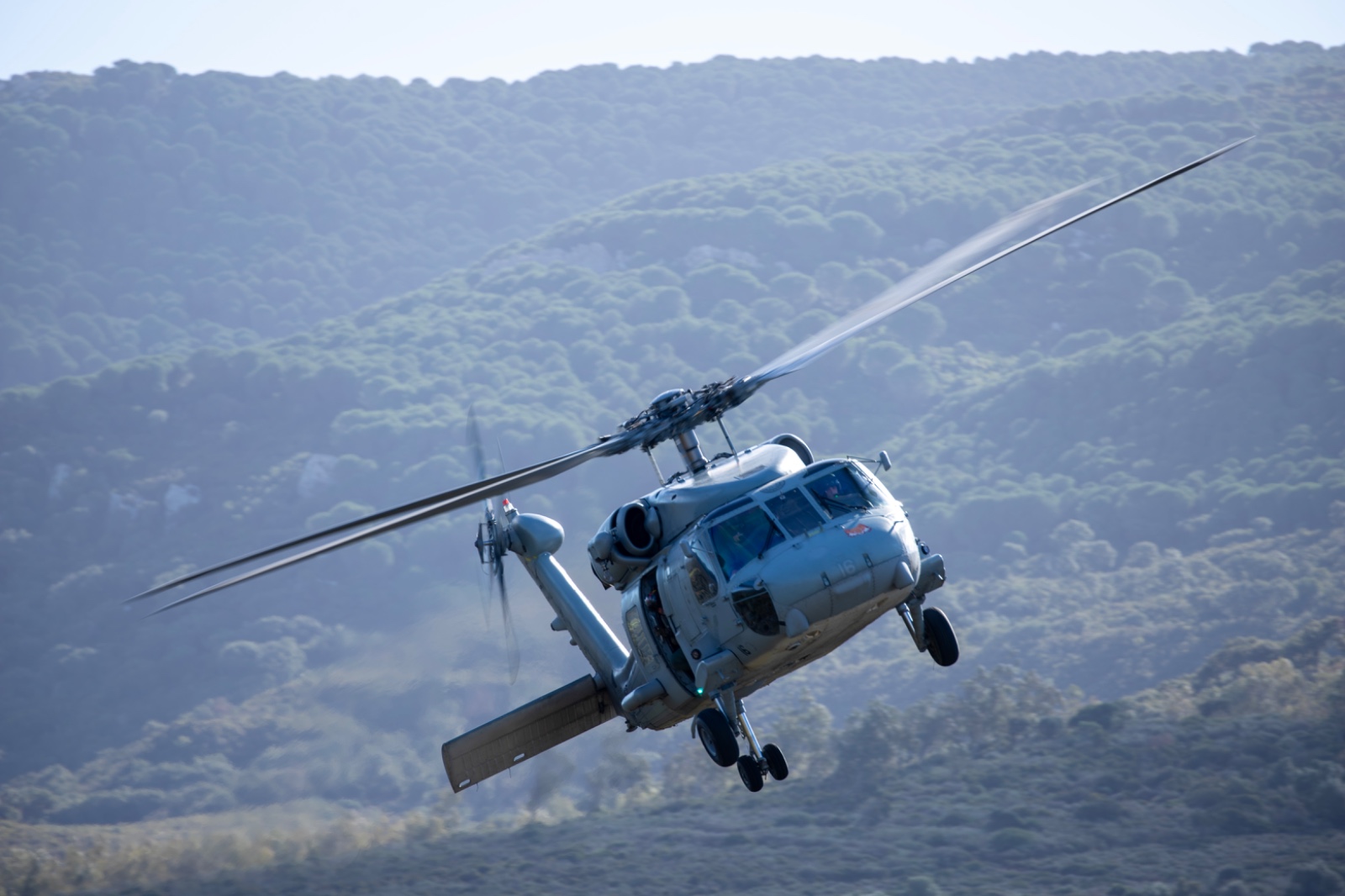
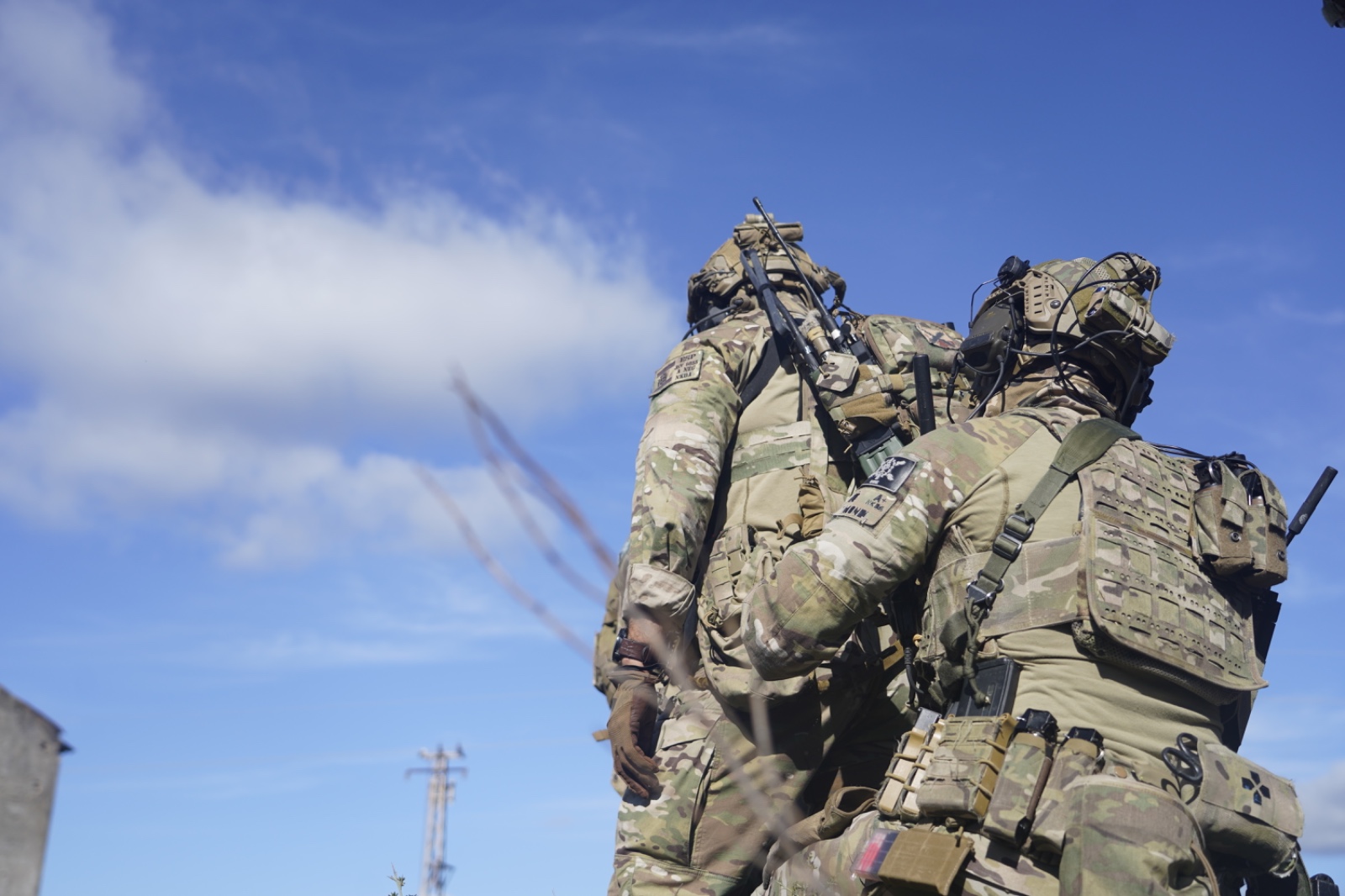
At this stage, live operations have been carried out in the field (LIVEX phase), the progress of which has been monitored in real time on video at command and control posts, such as the execution of a ground attack. These operational actions in which special operations units, air assets and naval units have participated. All of them have used satellite means to link 5G bubbles and facilitate the command and control of military actions.
On the other hand, Electronic Warfare (EW) units have been working to disrupt and hinder their own actions, thereby testing the resilience and strength of communications systems and the ability to coordinate military actions in a multi-domain environment.
This field training has enabled the exchange of information for the partial implementation of joint combat functions —(fire, command and control, and intelligence, surveillance and reconnaissance)— through the use of overlapping 5G bubbles that provide coverage across the entire territory.
About Exercise ‘JFX/MDO-25’
This activity is carried out every three years, and its objective is to train and test the Operations Command's ability to exercise operational control of the various Component Commands: Land, Maritime, Air, Space, Cyberspace, and Special Operations.
This training activity is defined as a level 3 exercise (strategic, operational, and tactical) and is divided into two phases focused on training the Armed Forces' operational structure in planning and conducting high-intensity, multi-domain operations—land, sea, air, cyberspace, and space.
In this scenario, our troops have had to face, autonomously, an adversary with highly demanding and advanced capabilities, paying special attention to everything that happens in the cognitive sphere.
During the first phase, the Command Post exercise was carried out. This is the main stage, as the Headquarters of the various Component Commands and the Command Post of the Chief of Defence (JEMAD) are activated. Each of them operates from their respective bases and barracks, and their participation involves joint and multi-domain operational planning. In the second phase of JFX/MDO 25, a field exercise was conducted with forces deployed from the three branches of the armed forces at the El Retín Training Area in Cádiz.
The BAA “Castilla” participated as part of the Navy, contributing its 5G coverage generator node to the joint exercise. Mobile terminals were used from the ship to provide 5G coverage to two tactical applications: “ATAK” and “APOLO”, linked via satellite to the other terminals at El Retín in Cádiz and at the Retamares Base in Madrid.
In addition, the Castilla has installed a network of radios and MPU-5 cameras on board that support the ATAK application via radio frequency. These systems provide data link capability via mobile terminals as well as providing a view of units on land and at sea, improving command and control capabilities.
The Joint Special Operations Command (MCOE) has coordinated a series of operational activities that have tested 5G technology and the new capabilities it brings. At the El Retín Training Ground, the various units under the MCOE—Special Naval Warfare Force (FGNE), Special Operations Command (MOE), and Parachute Engineer Squadron (EZAPAC)—have carried out various operational activities such as assault and hostage rescue in urban areas and recovery of casualties in the field. All of this was monitored by the Major of the MCOE, Major General Ángel Herrezuelo Pérez, from his command post at the Retamares Base in Madrid.
The Joint Cyber Command (MCCE) has led the experimental part of the JFX25/Livex exercise, related to the use of 5G bubbles deployed by the Navy on the ship “Castila”, the Army at the El Retín manoeuvring field, and the Air and Space Force at the Retamares Base. These bubbles were connected via the Spainsat satellite, offering higher than usual transmission speeds.
Thanks to the joint work of military units and technical support provided by civilian companies, users of mobile devices connected to 5G bubbles have been able to enjoy intuitive data, positioning, call and video call services. Interoperability between the ATAK and APOLO applications, two real-time command and control applications used by Special Operations units, has also been tested. This has been an example of collaboration between the Armed Forces and civilian companies to overcome significant technical challenges.
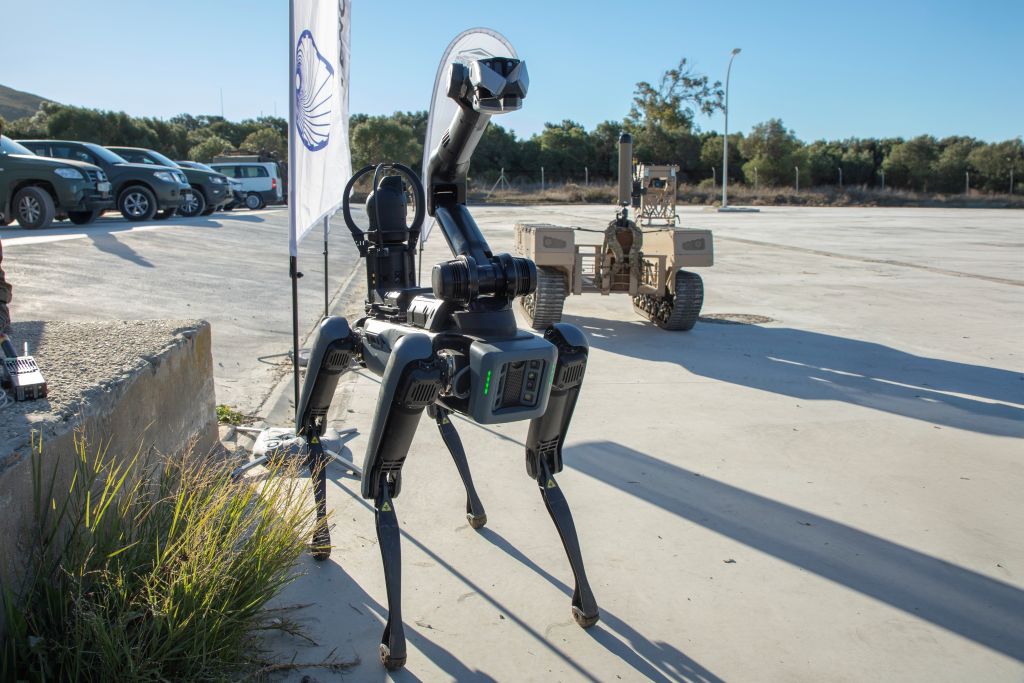
In this edition, civilian companies that are developing the technology used in this exercise have collaborated. Among them, Menpro, which brings together Persistent Systems, CACI, Boston Dynamics, Tencore, Axon, Sky Hero, Teledine Flir, HGH, COAS, PARROT; and also Glenair, Telefónica, Accenture, XRF, General Robotics and Red Team-Shield.
Fotos