

‘Dédalo’ Expeditionary Combat Group exhibits its power in Amphibious Operations
-
For Three Days, the Marine Corps Takes Centre Stage in Naval Task Group Operations
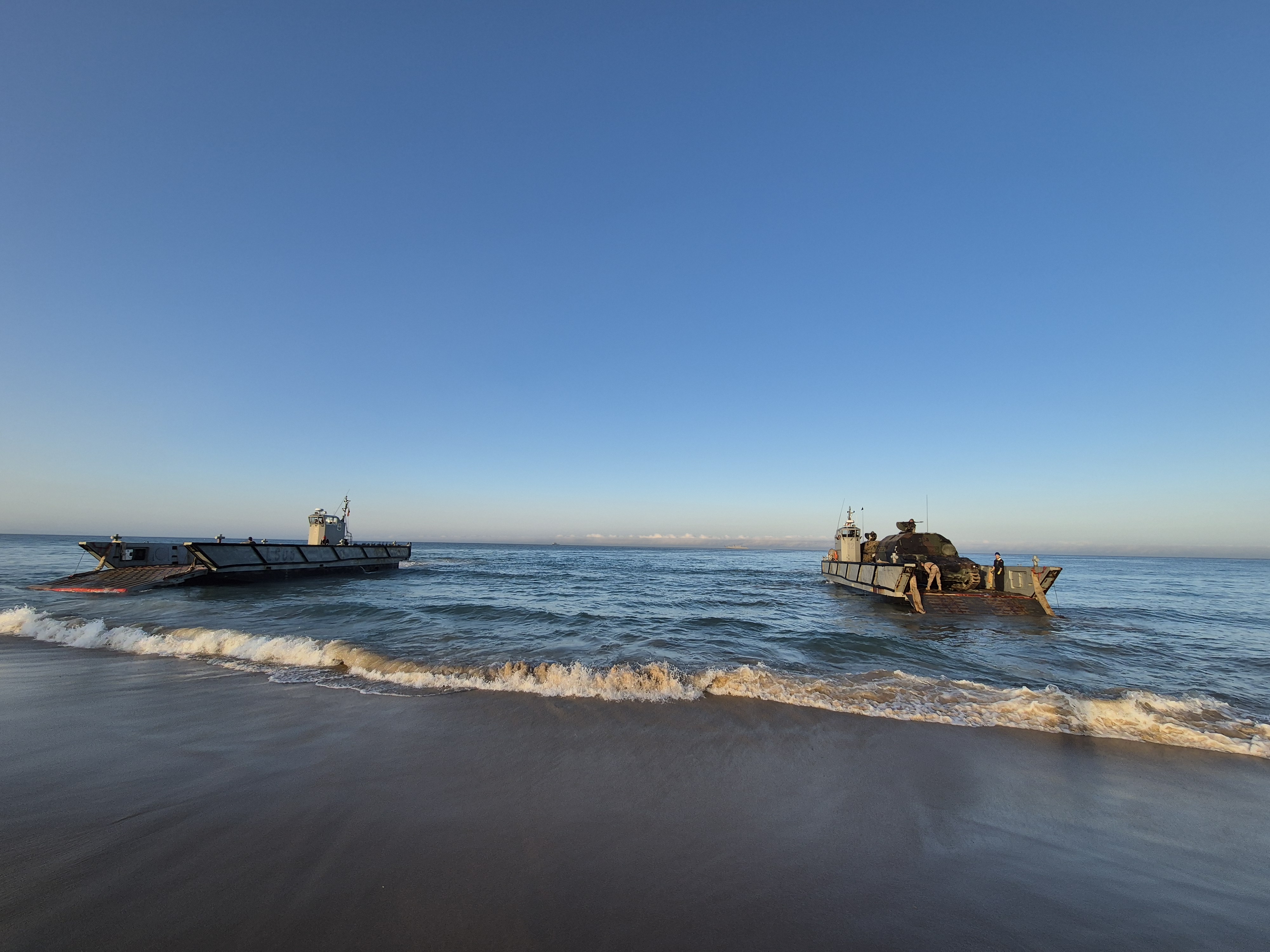
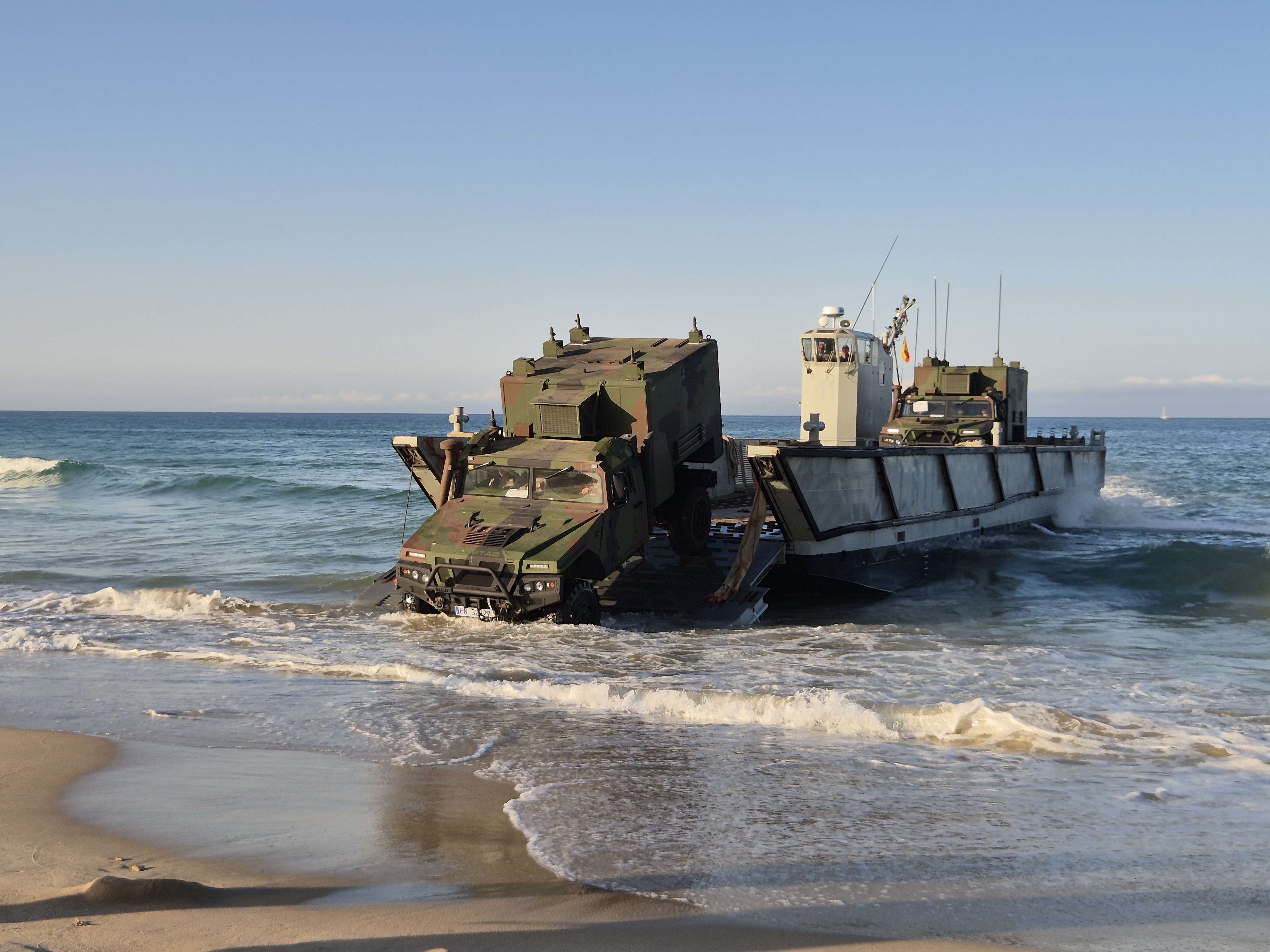
The ‘Dédalo’ 25-2 Expeditionary Strike Group has demonstrated its ability to project naval power from sea to shore. Over the course of three days, amphibious, aerial, naval, and ground operations have taken the spotlight in the Atlantic Ocean, showcasing the joint and expeditionary nature of the force.
The amphibious assault was launched from the sea against a potentially contested coastline, involving the projection of a landing force via both surface and air platforms. The main objective: to secure a beachhead, seize critical infrastructure, enable the landing of follow-on forces, and ultimately achieve deeper operational goals inland.
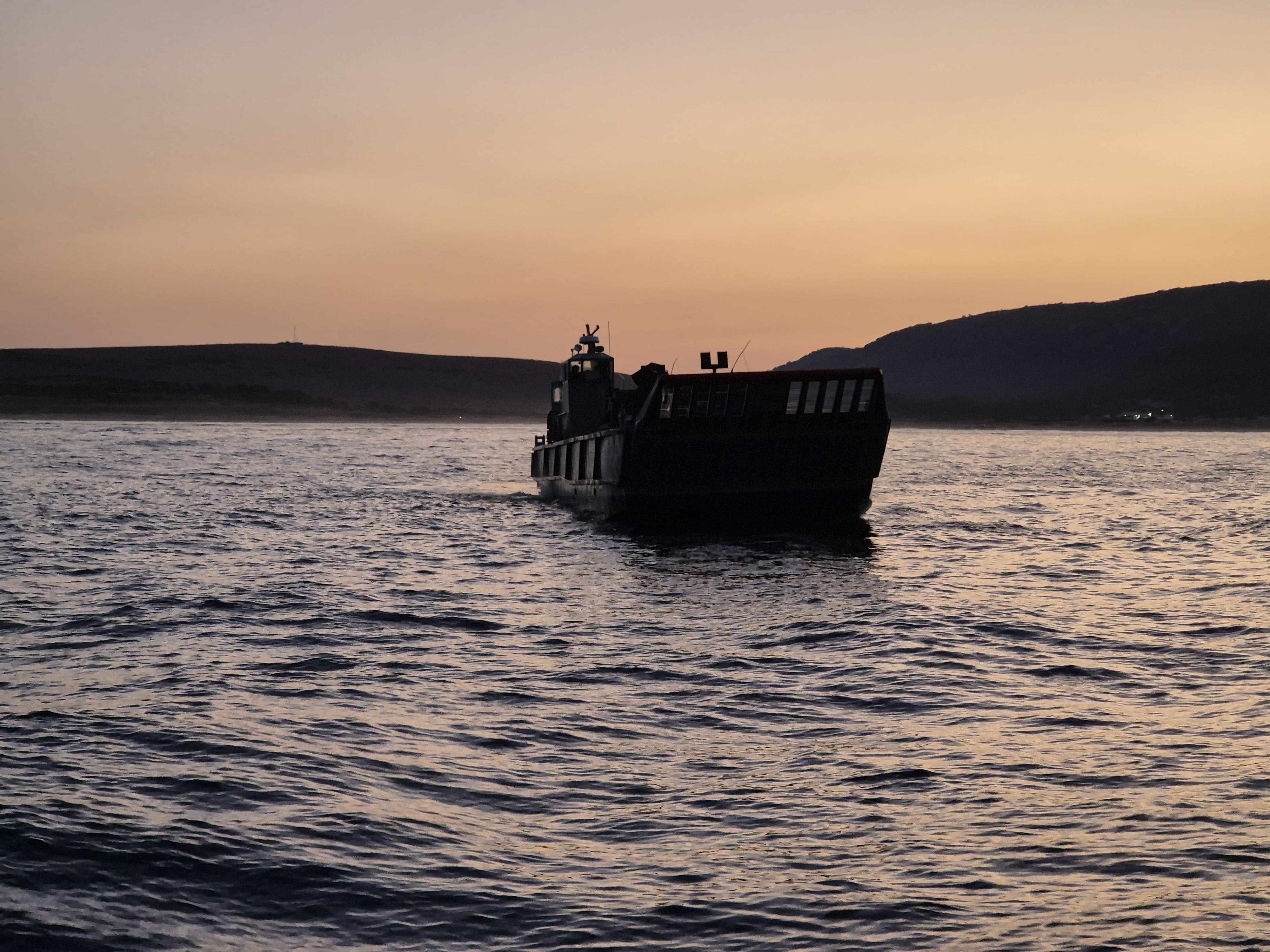
The operation is being conducted from aboard the ships ‘Juan Carlos I’ and the ‘Galicia’, involving Marine Corps troops, shipboard manoeuvre teams, vehicle operators, assault craft, landing boats, and command posts. It also includes staff elements, who are responsible for synchronising and coordinating all phases of the operation.
The Expeditionary Strike Group is fully equipped, trained, and ready to operate across all domains—maritime, air, land, cyberspace, and the cognitive environment—for extended periods. With a wide range of assets and cutting-edge technology, the group ensures the highest levels of operational effectiveness and flexibility.
Its platforms, tactics, and procedures are fully interoperable with other branches of the Spanish Armed Forces, as well as with the navies and armed forces of allied nations. In addition, it is capable of deploying globally for long durations and conducting long-range strikes, reinforcing Spain’s strategic projection and its role within multinational security frameworks.
Dédalo 25
‘Dédalo 25-2’ Task Group Deployment Continues Through 7 July in Atlantic and Mediterranean Waters
The ‘Dédalo 25-2’ Expeditionary Strike Group remains deployed in waters of the Atlantic Ocean and the Mediterranean Sea, with operations set to continue until 7 July, following its transit through the Strait of Gibraltar.
The group is centred around the aircraft carrier ‘Juan Carlos I’, which embarks both fighter jets and helicopters. It is accompanied by the amphibious assault ship ‘Galicia’, the multi-purpose frigate ‘Blas de Lezo’ -equipped with advanced anti-air warfare systems -and the combat support ship ‘Cantabria’.
The force is completed by a Reinforced Landing Battalion and an Embarked Air Unit, forming a versatile and self-sustained expeditionary capability.
These deployments highlight the Spanish Navy’s ability to lead and project power from the sea, with full operational independence or as part of a larger allied force.
The composition and readiness of the task group allow seamless interoperability with NATO and partner navies, enabling integration into multinational maritime frameworks.
Spain stands among a select group of NATO nations capable of ensuring freedom of navigation and manoeuvre, securing maritime choke points, and protecting sea lines of communications.
Fotos