

Paratrooper Brigade Leads Initial Entry Force Airborne Phase during ‘Swift Response 25’ in Latvia
- Operating outside national territory, Spain has, for the first time, led the entry into an operational area of a multinational force of this scale, including the airdrop of four L118 Light Gun field artillery pieces
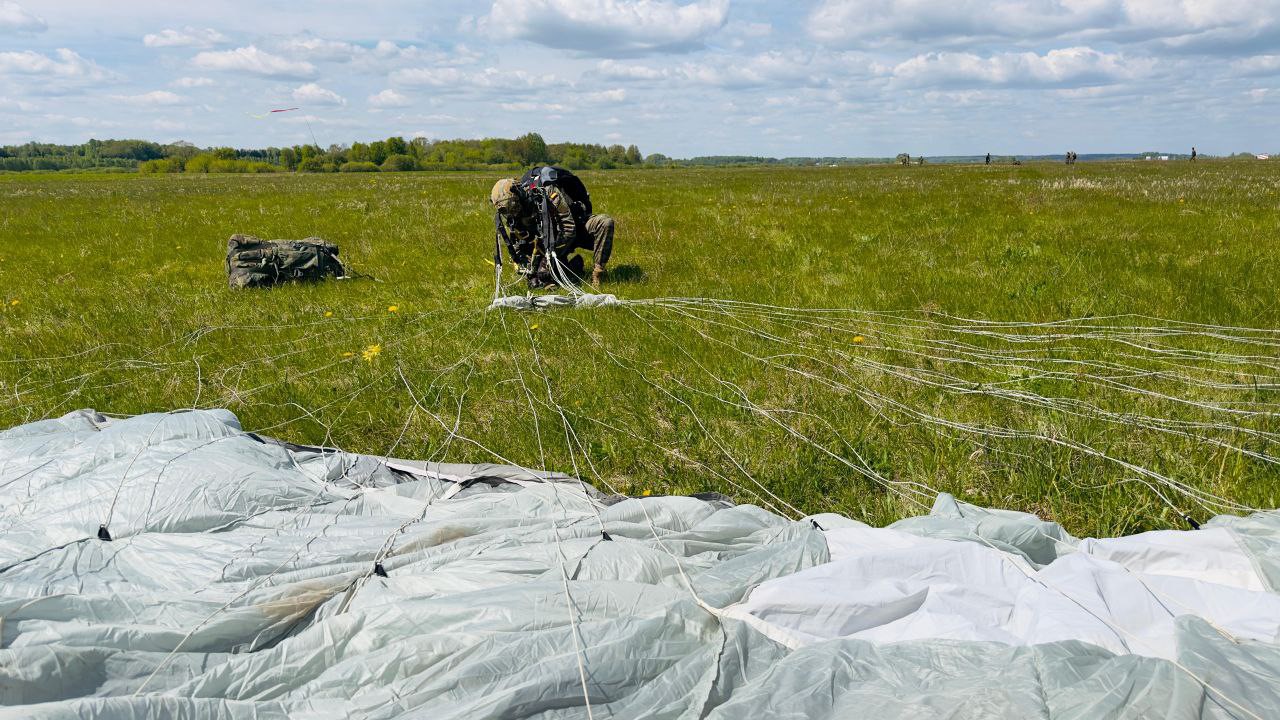
For the first time ever, the ‘Almogávares’ VI Paratrooper Brigade (BRIPAC in Spanish) has led a multinational Joint Forcible Entry (JFE) operation abroad. This milestone took place in Latvia, as part of Exercise Swift Response 25 (SR25), during which Spanish forces deployed following a complex strategic projection from national territory.
SR25 is the first of three major exercises forming part of Defender Europe 25, the largest training activity organised by US Army Europe and Africa (USAREUR-AF). Its primary objective is to demonstrate the ability of the US, NATO Allies, and partner nations to project forces in order to defend Europe’s eastern flank and its population.
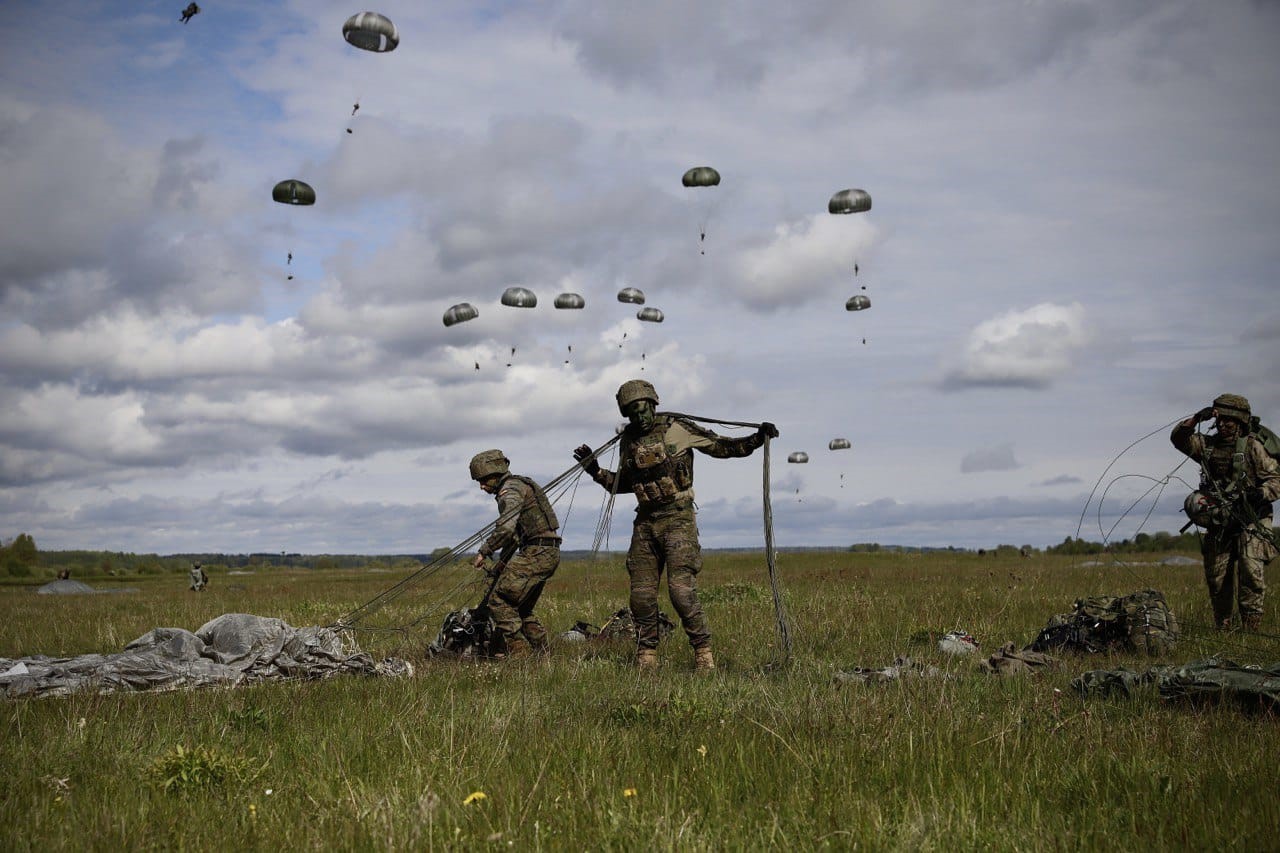
As part of this deployment, approximately 600 Spanish and US paratroopers — the latter from the US Army’s 173rd Airborne Brigade — jointly planned and executed this tactical airborne operation, which enabled them to secure the ground and initiate tactical training on Latvian soil.
The operation commenced with elements from BRIPAC’s Advanced Reconnaissance Company (CRAV in Spanish) and the Air and Space Force’s Advanced Air Deployment Squadron (EADA in Spanish), who were inserted into two drop zones near Daugavpils and Skrunda.
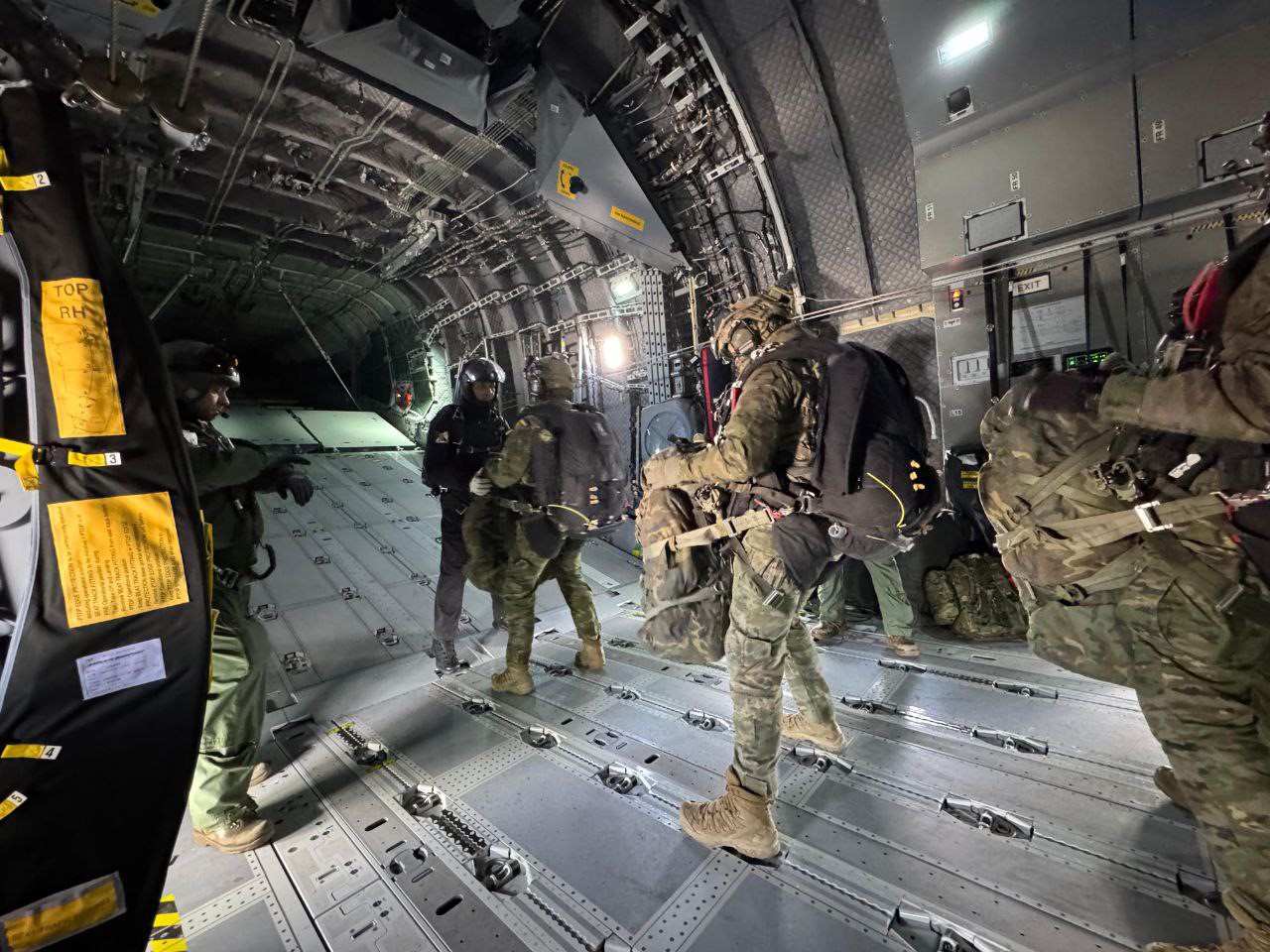
Troops embarked at Torrejón Air Base (Madrid), and after a four-hour flight, began donning their parachute equipment 40 minutes prior to the drop. Subsequently, around 500 Spanish troops conducted parachute jumps from two Spanish T-23 (A400M) aircraft into their designated drop zones. ‘This jump is different. It's not the same as jumping in Germany or Italy — Latvia is an operational zone. For us, this parachute operation marks a new milestone in the history of BRIPAC’, said Corporal Major Paris.
For the first time, four L118 Light Gun field artillery pieces were also airdropped. According to Lieutenant Colonel Martínez Pontijas, Commander of the VI Field Artillery Group, this deployment ‘demonstrates the unit's ability to rapidly deploy a Fire Support Unit (FSU) capable of supporting a paratrooper task group in its manoeuvre. Without doubt, this significantly enhances the combat capability of the JFE-LVA and clearly demonstrates to our allies our capacity to project combat power’.
Following the airborne insertion, the exercise continues on the ground and will run until 19 May. It involves more than 6,000 troops from 14 allied and partner nations, operating across five locations in northern and Eastern Europe.
For BRIPAC, exercises like this one enhance interoperability with allied airborne units while also demonstrating the ability of airborne forces to respond swiftly and effectively to crises as part of a multinational high-intensity operation — in this case, on NATO's eastern flank. Swift Response 25 not only tests the rapid deployment capabilities of BRIPAC and other allied units but also reinforces the collective commitment to NATO’s security.
Swift Response 25 (SR25): 11 to 31 May
The SR25 exercise, the first of three in this training sequence, has focused on conducting five near-simultaneous airborne operations in Finland, Norway, Latvia, Lithuania, and Sweden. This phase has also included medical activities, rapid artillery infiltration drills using highly mobile systems, air assault missions, live-fire exercises, and operational experimentation.
Within this context, and under the command of the US 82nd Airborne Division, Spain has led the Initial Entry Force (JFE) in Latvia, deploying a Brigade Headquarters and two airborne task groups with support units. In total, 650 personnel, two A400M aircraft, and more than 20 vehicles have been deployed under the command of the Paratrooper Brigade. Additionally, a Spanish tactical sub-group already deployed in Latvia under NATO’s Eastern Flank operation has taken part in SR25 in the role of opposing force.
Following the conclusion of Swift Response 25 on 31 May, Exercises Immediate Response and Saber Guardian 25 will begin in succession, both of which will also see significant participation from Spanish forces.
Fotos